
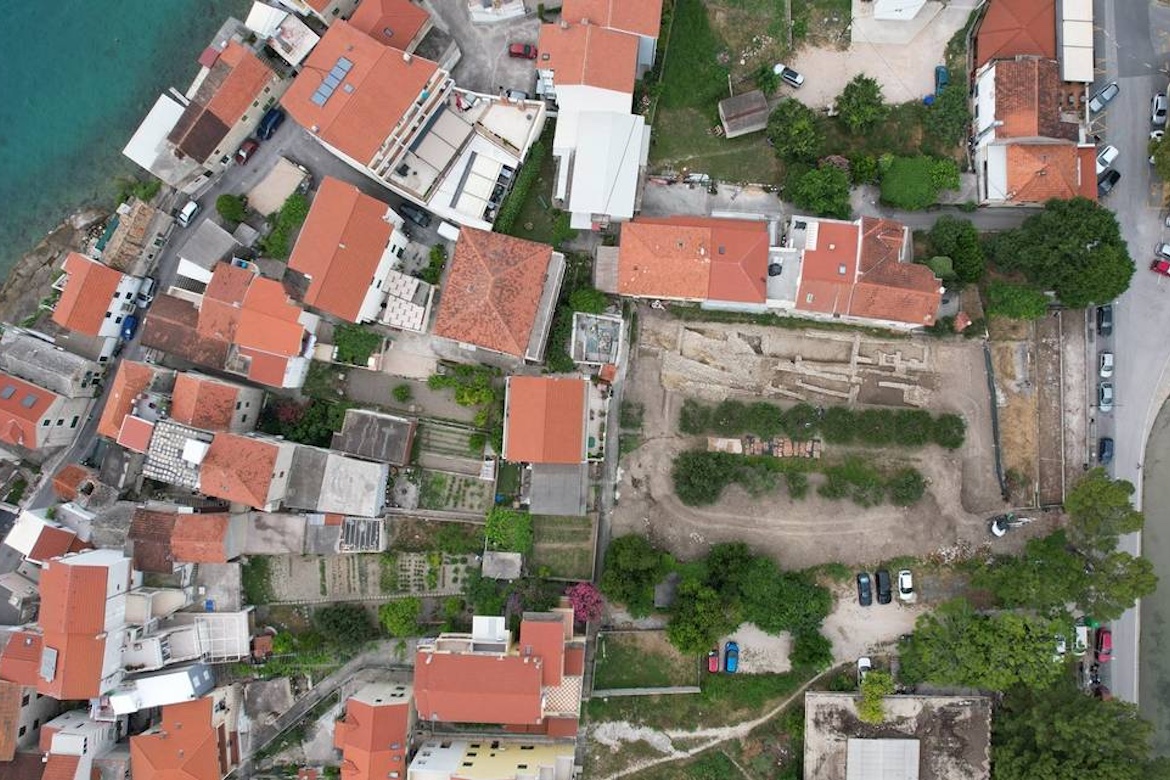
Archaeologists inspecting a future construction site for potential artifacts were surprised to uncover a massive Ancient Greek structure in Stobreč, a coastal town in Croatia.
Croatia’s Ministry of Culture announced the find, believed to be a rampart, or a type of defensive wall, dating back more than 2000 years.
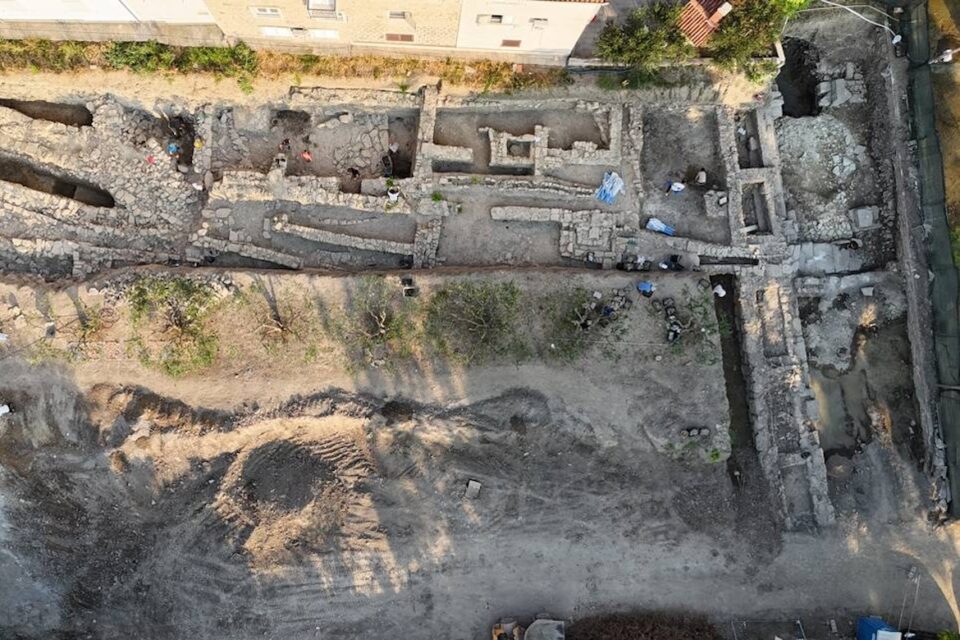
In total, the rampart measures about 230 feet long and 10 feet high at its tallest point, archaeologist Marina Ugarković said in the release. Archaeologists described the structure as impressive, extremely monumental and the best-preserved Greek rampart in Croatia.
Photos released from the ministry show the huge ancient structure. Seen from above, the ruins have an L-shape. The shorter side looks like a row of five rectangular structures. The longer side has a less defined shape.
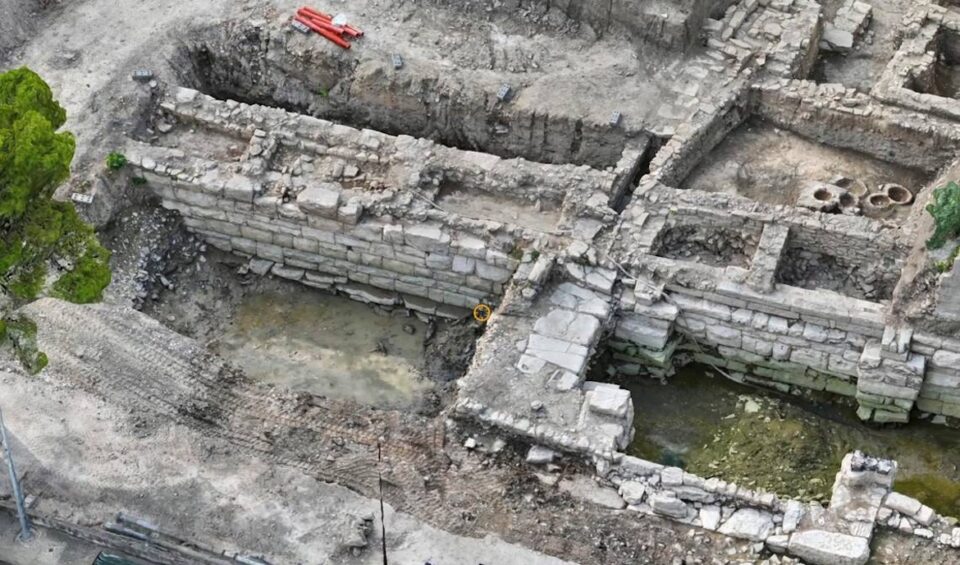
The Ancient Greeks began colonizing modern-day Croatia in the 4th century BC and had a heavy influence in the region’s script, currency, trade, land use and city wall structures. Greek influence in the region continued well into the Roman era.
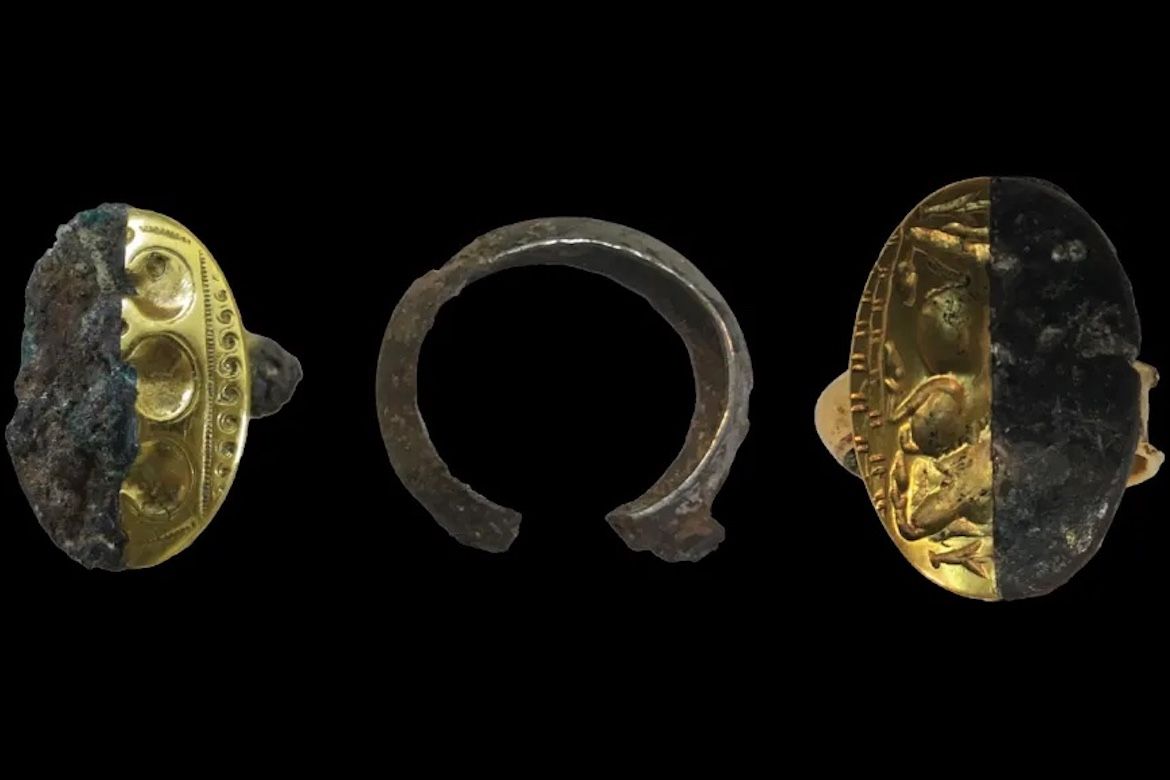
Stobreč was founded as a Greek settlement by 200 BC, called Epetion, and later became a Roman trade hub. Excavations at the site also uncovered dozens of artifacts, later Roman ruins, and a structure from the Middle Ages. Archaeologists plan to continue research at the site.