
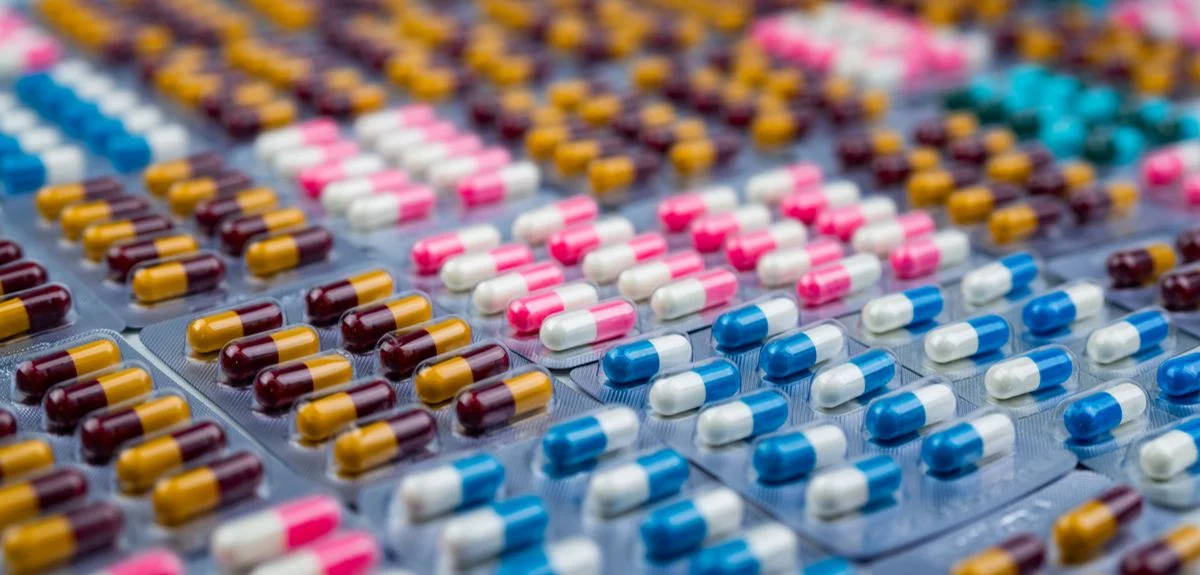
According to a Kapa Research poll conducted in April 2025 for the Athens Medical Association, Greece remains the European Union leader in antibiotic consumption and microbial resistance.
In the past year, 75% of adults, children and adolescents have taken antibiotics. This percentage is a drastic increase from 2015 when only 48% of Greeks had used antibiotics that year.
Despite the Greek government’s 2020 policy requiring a doctor’s prescription for antibiotic sales, one in four Greeks still obtain antibiotics without first consulting a physician.
While unprescribed pharmacy sales have dropped to 3%, 11% of respondents admit to self-medicating with antibiotics left over at home.
Dental issues were the most common reason for antibiotic use (58–61%), followed by upper (57%) and lower (46%) respiratory infections. Usage for minor viral conditions like colds and gastritis remains low at 10%, indicating increased Greek public awareness on antibiotics use.
Antibiotic stockpiling, although reduced from 36% in 2013 to 22% in 2025, continues to pose risks.
Persistent overuse of antibiotics by Greeks has escalated microbial resistance and contributed to over 2,000 deaths in Greece in 2020 from multi-drug-resistant infections—a statistic that places the country first in Europe for these types of fatalities.
According to the survey, though the majority of Greeks appear to be informed about the dangers of antimicrobial resistance (51%), the need for a medical prescription (71%) to acquire antibiotics, as well as the consequences of antibiotic overconsumption (69%), in practice, many do not seem to follow guidelines set in place regarding their safe use.