
A group of Americans with longstanding connections to Lemnos is turning its love for the island into a growing marine conservation initiative—bringing together scientists, local authorities, students and private supporters across the Atlantic.
The latest result of that effort brought a group of Lemnos high school students aboard a research vessel to explore one of the Eastern Mediterranean’s most important marine ecosystems.
The hands-on expedition was organized as part of the Imagine Lemnos Plastic Free Festival, an initiative of Lemnos Marine Conservation, a nonprofit organization established by volunteers working between the United States and Greece.
Accompanied by Francis Serrano, a marine biologist with the United States’ National Oceanic and Atmospheric Administration, the students participated in field observations, scientific discussions and environmental data collection in the waters surrounding their island.
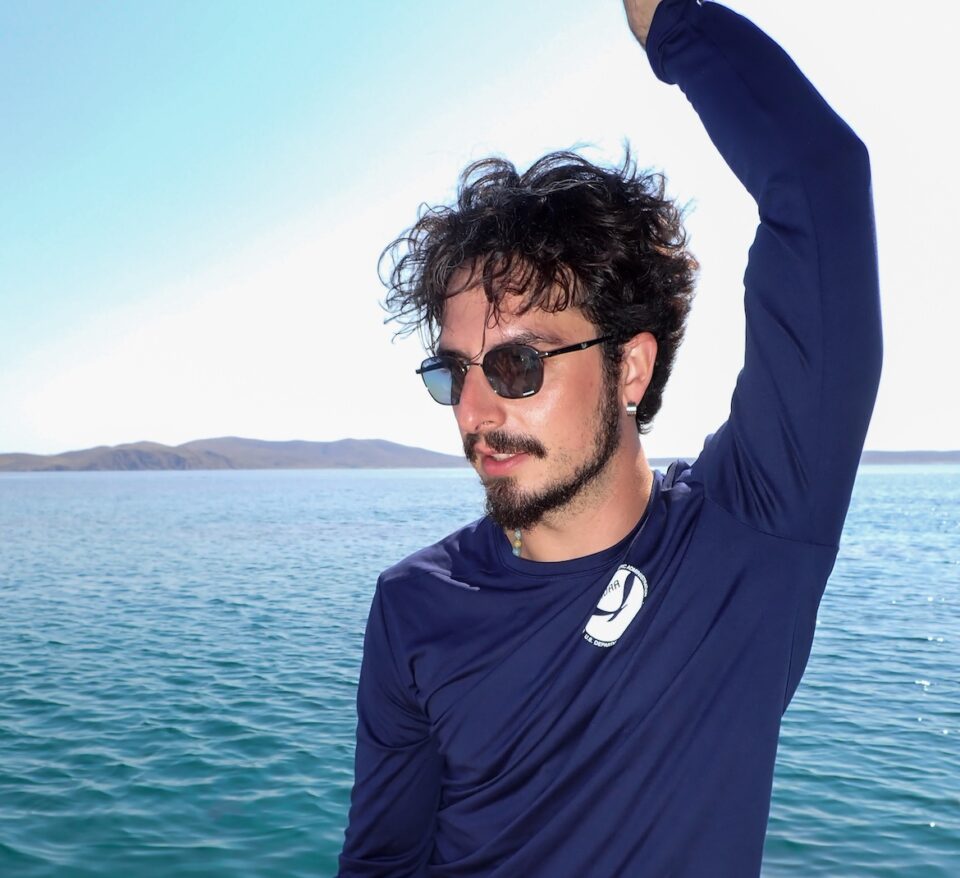
The program gave students an opportunity to see how scientists monitor marine habitats, study biodiversity and assess the health of coastal ecosystems—not from a textbook, but directly on the Aegean Sea.
At the center of the broader effort is a seven-member team operating in the United States and on Lemnos.
Among the organization’s founding members is Connecticut-based Claudia Sherwood Servidio, who has spent the past 25 summers on the island and helped build a network of scientists, environmental groups and local partners around the initiative.
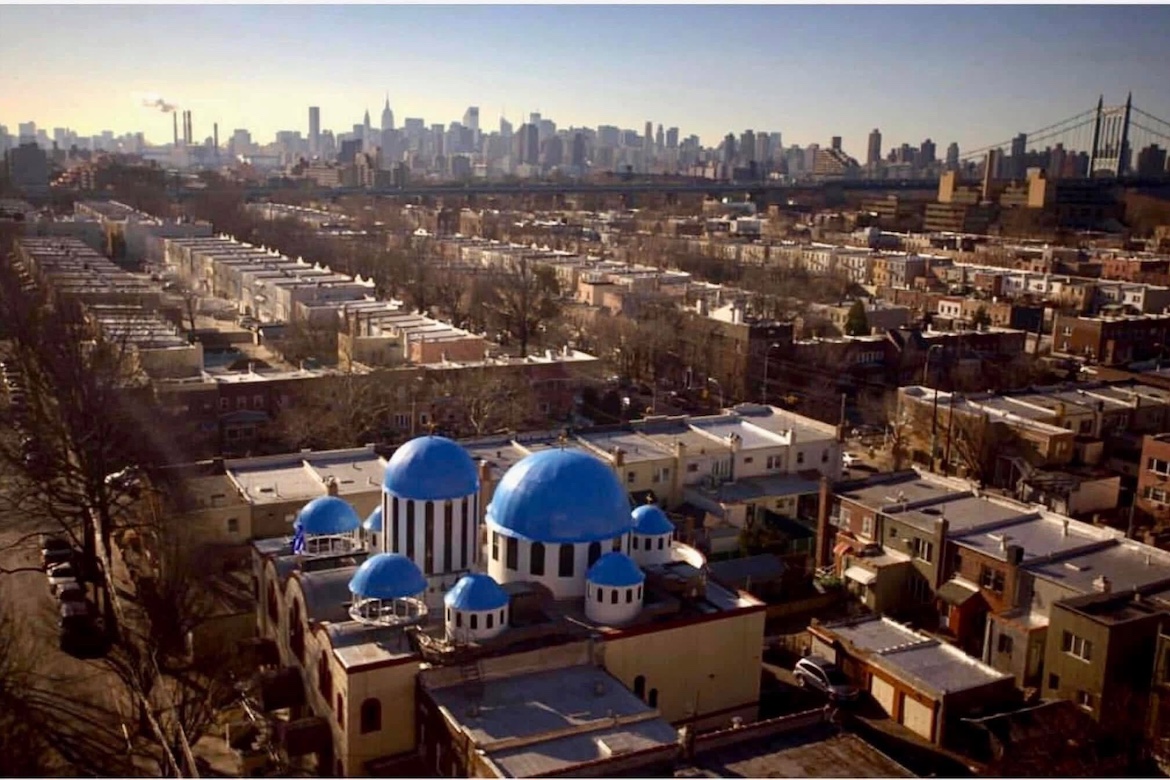
Servidio connected with architect Peter Zaharatos, also based in Connecticut, through a mutual contact associated with St. Nicholas Greek Orthodox Church and National Shrine in New York City.
The organization formally took shape in 2024 and subsequently launched a fundraising campaign that raised approximately $25,000.
That support helped begin scientific data collection around Lemnos in collaboration with the Archipelagos Institute of Marine Conservation, creating a baseline that can be used to monitor changes in the island’s marine environment over time.
Lemnos Marine Conservation has also developed relationships with the Municipality of Lemnos and organizations working in marine protection, recycling, water sustainability and the circular economy.
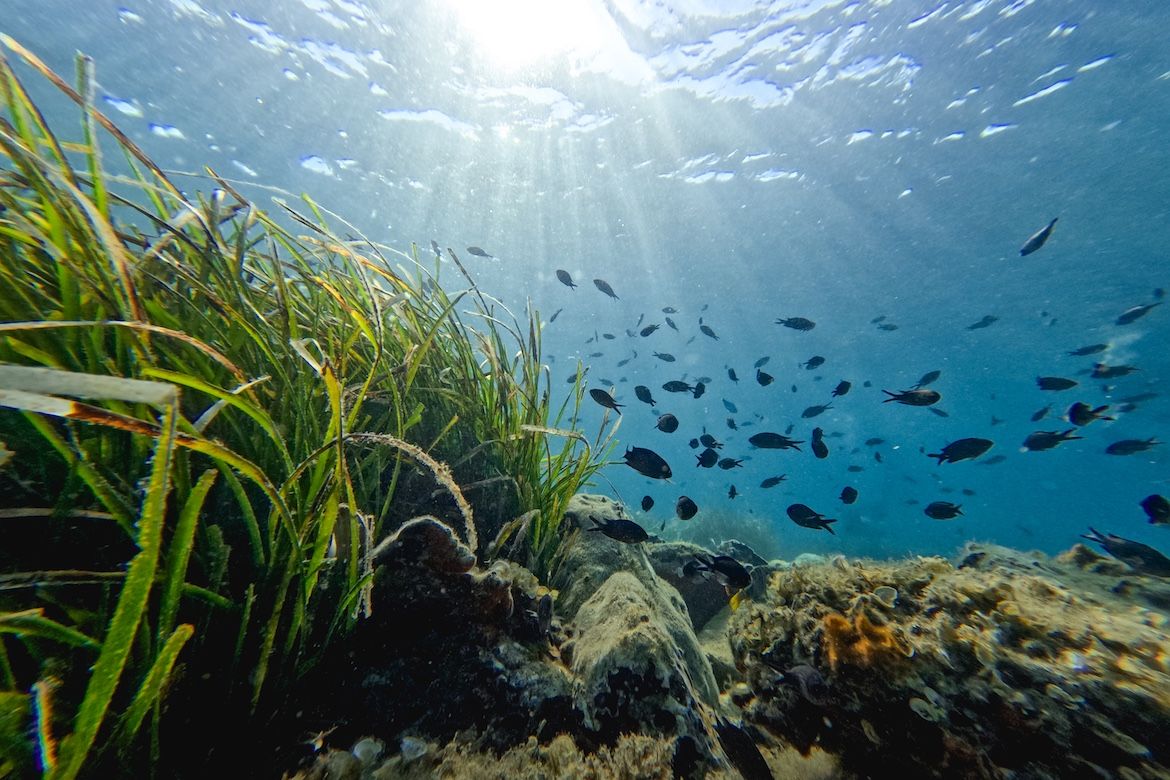
The waters surrounding Lemnos are home to an extensive meadow of Posidonia oceanica, a seagrass species found only in the Mediterranean.
Posidonia meadows provide shelter and breeding grounds for marine life, improve water quality, absorb and store carbon, and help protect coastlines from erosion.
Often described as the “lungs of the Mediterranean,” the meadows are essential to the ecological health of the region but remain vulnerable to pollution, coastal development, boat anchoring and rising sea temperatures.
Plastic pollution—and particularly the island’s reliance on disposable water bottles—has become another major focus of the initiative.
Working with the municipality, Lemnos Marine Conservation developed a map showing potable-water refill locations in Myrina, encouraging residents and visitors to carry reusable bottles rather than continually purchasing and discarding single-use plastic ones.
Young people have remained central to the organization’s work.
In addition to the marine research expedition, the Imagine Lemnos Plastic Free Festival included a short-film competition inviting local students to explore environmental issues through storytelling.
The films were evaluated with the involvement of the Australian documentary production company Wild Pacific Media.
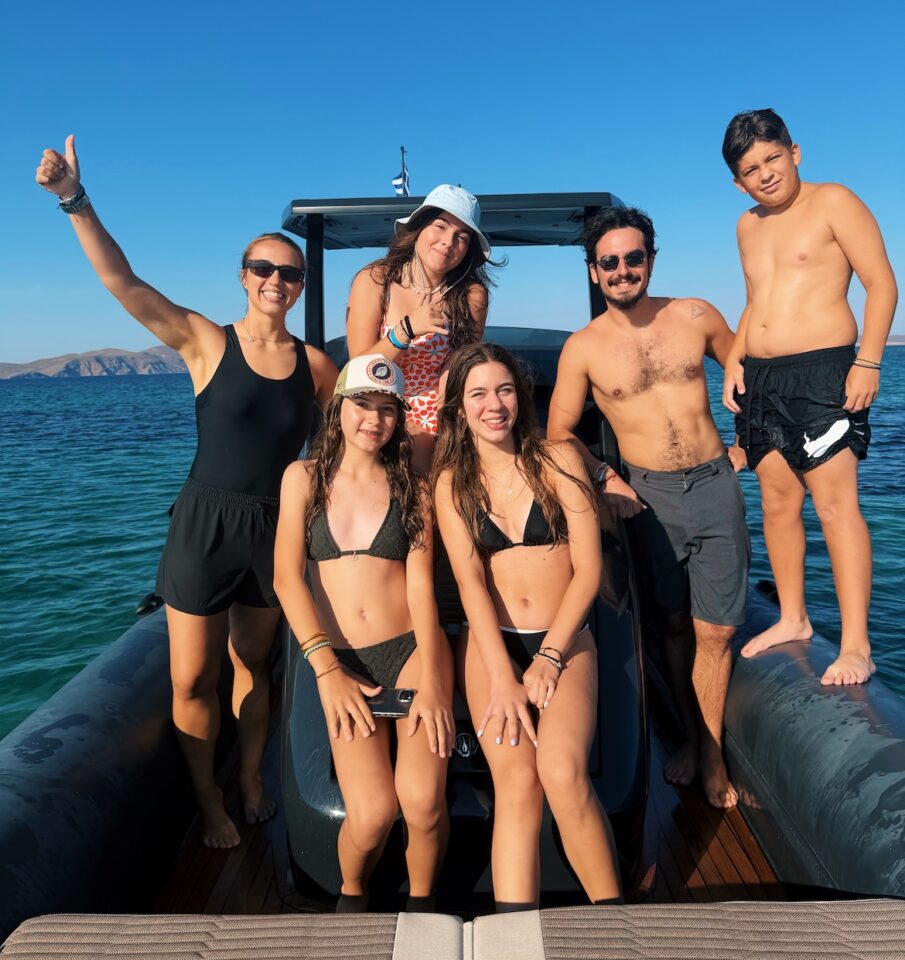
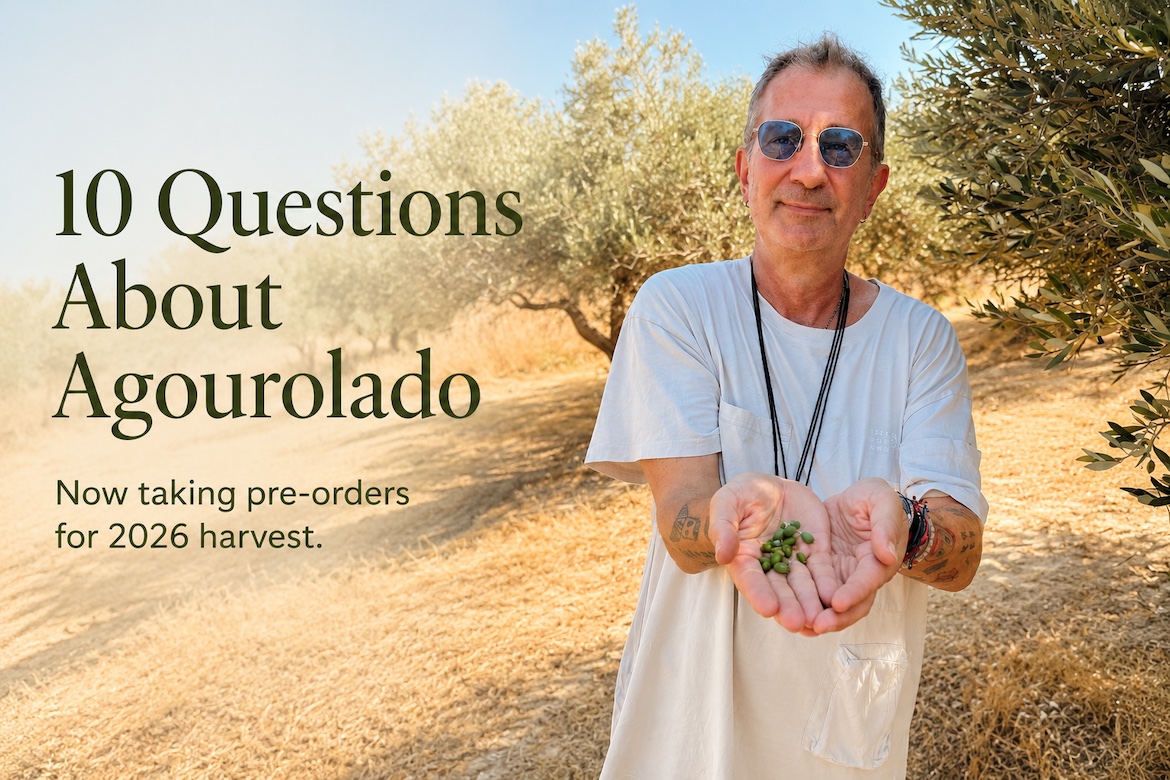
Filmmaker and entrepreneur Natalia Bougadellis (photo, left), who is based between New York City and Athens and whose family roots trace to Lemnos, sponsored prizes for the young filmmakers and supported the marine expedition.
Her involvement added another dimension to the transatlantic initiative, bringing film, entrepreneurship and philanthropy into a project already rooted in science, education and environmental action.
“I believe the best way to inspire conservation is to help people fall in love with nature first,” Bougadellis said.
“We wanted these students to have fun—to explore, ask questions, laugh and create memories they’ll never forget. Because when a place becomes part of your happiest memories, you’re far more likely to want to protect it.”
The expedition was designed around that principle.
Rather than presenting conservation only as a set of warnings and restrictions, the program gave students a personal experience of the sea surrounding their home and the ecosystems hidden beneath its surface.
The larger goal is to help build a generation of local residents who understand the ecological importance of Lemnos and recognize their own role in protecting it.
It is also a compelling example of what can happen when people with strong ties to a Greek island decide to turn affection into action.
In this case, Americans who have made Lemnos part of their lives did not simply return to enjoy the island. They organized, raised funds, brought scientific expertise to the table, created local partnerships and placed the island’s young people at the center of its environmental future.