
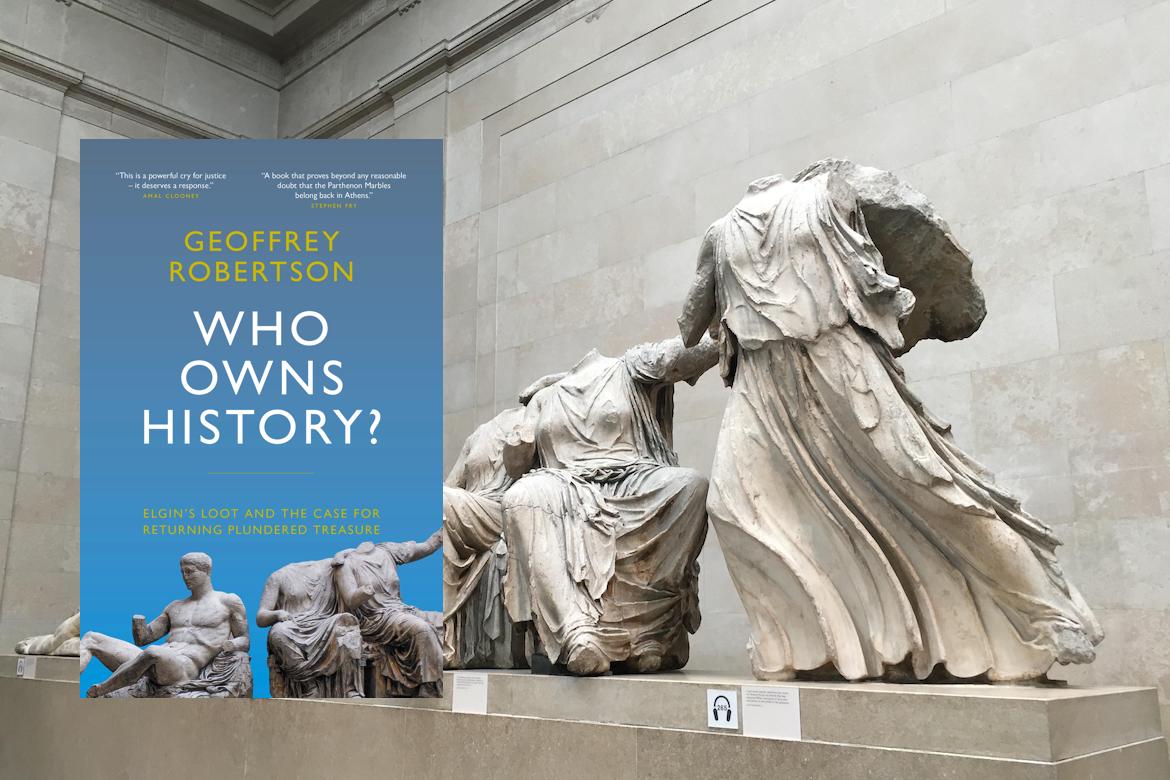
One of the world’s most important human rights layers has written a scathing opinion piece in The Australian, accusing the British Museum— and other major museums throughout the world— of using theft, aggression and duplicity to acquire their vast collections.
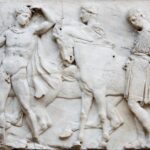
Godfrey Robertson, who has represented major international clients and has advised nations on how to protect their cultural heritage, honed in on the British Museum and specifically, its collection of the Parthenon Marbles, calling out the museum for “exhibiting “pilfered cultural property.”
He said it was time that European and US institutions return treasures taken from “subjugated peoples” by “conquerors or colonial masters”.
“The trustees of the British Museum have become the world’s largest receivers of stolen property, and the great majority of their loot is not even on public display,” Robertson added.
He also accused the museum of telling “a string of carefully-constructed lies and half- truths” about how the marbles “were ‘saved’ or ‘salvaged’ or ‘rescued’ by Lord Elgin, who came into possession of them lawfully.”
Robertson published the piece to promote his new book, “Who Owns History? Elgin’s Loot and the Case for Returning Plundered Treasure,” which has been released in Australia and is available on pre-order on Amazon for the U.S. and other markets.
He took a jab at the current Brexiters and their campaign to take Britain out of the European Union, as well.
“This is a time for humility— something the British, still yearning for the era when they ruled the world, ie for Brexit— do not do very well. Before it releases any of its share of other people’s cultural heritage, the British Museum could mount an exhibition – ‘The Spoils of Empire’.”
A British Museum spokeswoman responded to Robertson’s claims in the opinion piece that Lord Elgin acquired the marbles legally, with the approval of the Ottoman authorities of the day.
“They were not acquired as a result of conflict or violence. Lord Elgin’s activities were thoroughly investigated by a parliamentary select committee in 1816 and found to be entirely legal,” she said.