
High-phenolic EVOO is simply extra rich in the natural plant compounds that give fresh olive oil its peppery kick. More of those = more benefits. Below are some of the benefits associated with regular consumption of this particular type of olive oil. Sources are from high-quality clinical trials, official bodies and reviews.
Good for your heart: People who make olive oil their everyday fat tend to have healthier hearts. Mediterranean diet with extra-virgin olive oil lowered major heart events. (New England Journal of Medicine, PubMed)
Helps “bad” cholesterol behave: It makes LDL (the “bad” one) less troublesome and can give HDL (the “good” one) a gentle lift. EUROLIVE randomized trial: higher-polyphenol olive oils improved HDL and reduced oxidative damage. (PubMed)
Naturally calming for inflammation: That peppery tickle in your throat comes from compounds that act like a mild, food-based anti-inflammatory. Discovery paper showing EVOO’s oleocanthal inhibits the same enzymes as ibuprofen. (PubMed, Nature)
Can support healthy blood pressure: Regular use helps your blood vessels relax and do their job better. RCT in young women: polyphenol-rich olive oil reduced BP and improved endothelial function. (PubMed)
Brain friendly: Early research suggests it may support memory and clear thinking as part of a healthy diet. Greek MICOIL trial (MCI patients): high-phenolic, early-harvest EVOO linked to better cognitive performance. (PubMed)
Steadier blood sugar: Meals with olive oil are easier on your blood sugar than meals heavy in butter or creamy sauces. Human studies: EVOO with a meal improved post-meal glucose compared with low fat/butter. (Nature, PubMed)
Happier gut: Its plant compounds feed “good” gut bacteria, which can mean calmer digestion. Reviews on EVOO polyphenols shaping gut bacteria toward more beneficial profiles. (PMC, Oxford Academic)
A little extra defense against germs: Lab studies show olive-oil compounds can bother the microbes we don’t want—like the one linked to some stomach ulcers. Olive-oil phenolics showed in-vitro activity against Helicobacter pylori; small pilot suggests possible clinical effect. (PubMed)
Helps you feel full: Olive oil helps send “I’m satisfied” signals, so swapping it in for less healthy fats can make reasonable portions feel enough. (PubMed, PMC)
A natural anti-oxidant: Using olive oil instead of butter or seed oils gives you better fats and built-in antioxidants—without losing flavor. Official EU health claim: olive-oil polyphenols protect blood lipids from oxidative stress when the oil has ≥5 mg hydroxytyrosol & related compounds per 20 g. (PMC)
Supports your immune system: Those natural antioxidants help your body defend itself, so your immune system can do its job more smoothly. Reviews and cell studies showing hydroxytyrosol/EVOO phenolics are anti-inflammatory and immunomodulatory. (PMC, MDPI)
Helps you absorb vitamins: Fat-soluble vitamins (A, D, E, K) in your food absorb better when there’s a little olive oil on the plate. Classic human study: no-fat salads = almost no carotenoid absorption; adding oil restores it. (PubMed); Review on olive oil improving bioavailability of lipophilic compounds (carotenoids). (PMC)
Skin and hair glow: Healthy fats and antioxidants support skin moisture and protect against everyday wear and tear from the sun and environment. Large French study: higher intake of MUFAs from olive oil associated with less severe facial photo-aging. (PMC)
Bone support: As part of a balanced diet and active lifestyle, olive oil is linked with stronger bones over time. PREDIMED sub-study: Med-diet with high phenolic extra virgin olive oil increased bone-formation markers (osteocalcin, P1NP) over 2 years. (PMC, Oxford Academic)
Healthy aging: It’s a staple of long-lived Mediterranean communities, helping make veggies, beans, and fish taste great—so you eat more of the good stuff. Review on hydroxytyrosol and “inflammaging” modulation (anti-inflammatory/antioxidant pathways). (MDPI)
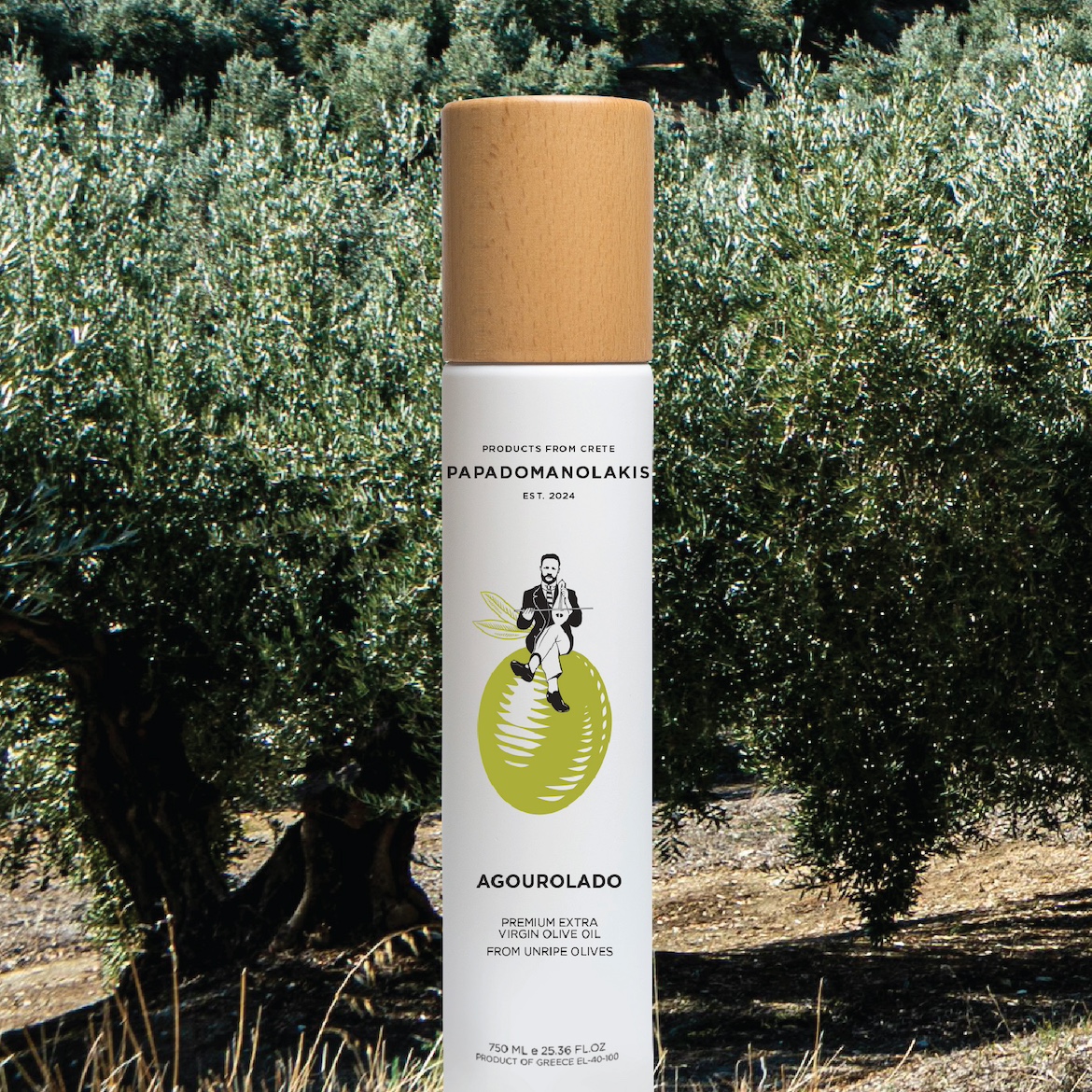
How to use it: Aim for a spoonful or two a day as your main kitchen fat—on salads, vegetables, beans, fish, and good bread. Pre-order now for delivery to your home in December 2025.
Friendly note: This is general info, not medical advice. If you have a health condition or take medications, check with your clinician about what’s best for you.