
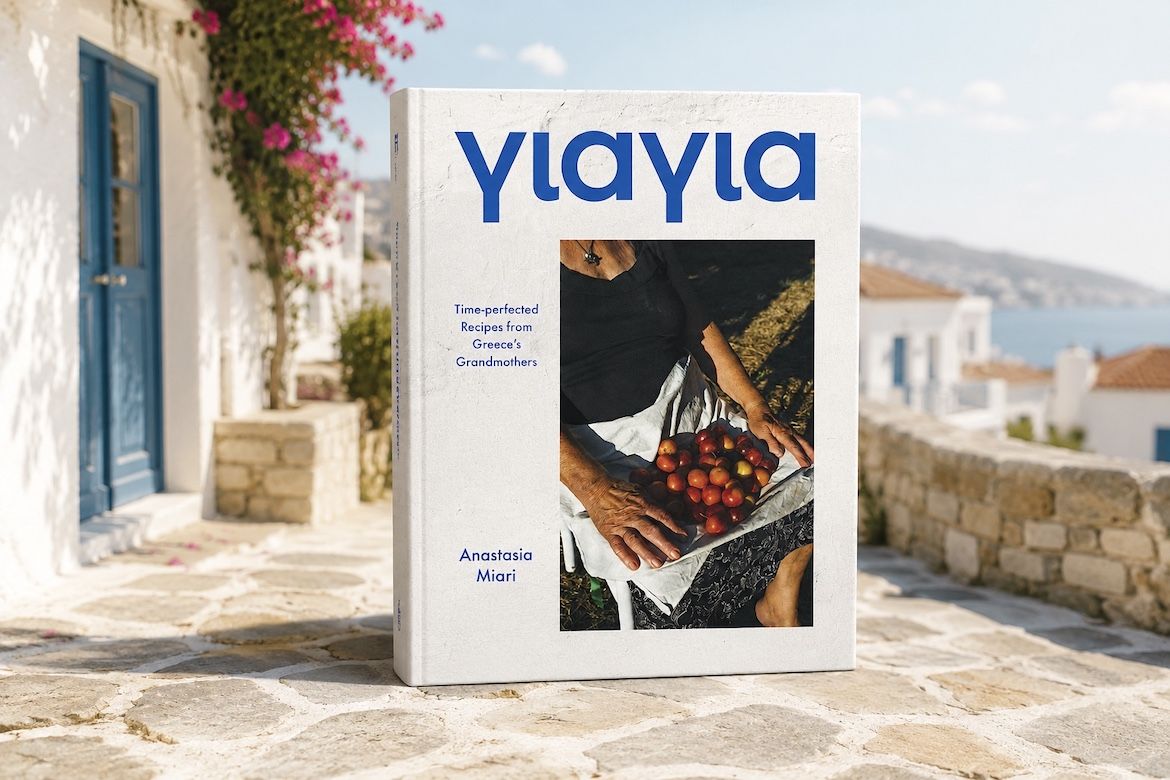
Anastasia Miari traveled across Greece to document the food, stories and hard-earned wisdom of the grandmothers who kept it all alive.
Long before Greek food became a lifestyle brand, a television category or a stream of beautifully plated dishes on Instagram, it was being preserved in kitchens where very little was measured and almost nothing was wasted.
A handful of this. A little more olive oil. Enough flour until the dough feels right.
That instinctive way of cooking is at the heart of Yiayia: Time-Perfected Recipes from Greece’s Grandmothers, a cookbook by Greek food writer Anastasia Miari that pays tribute to the women who have carried Greece’s culinary traditions from one generation to the next.
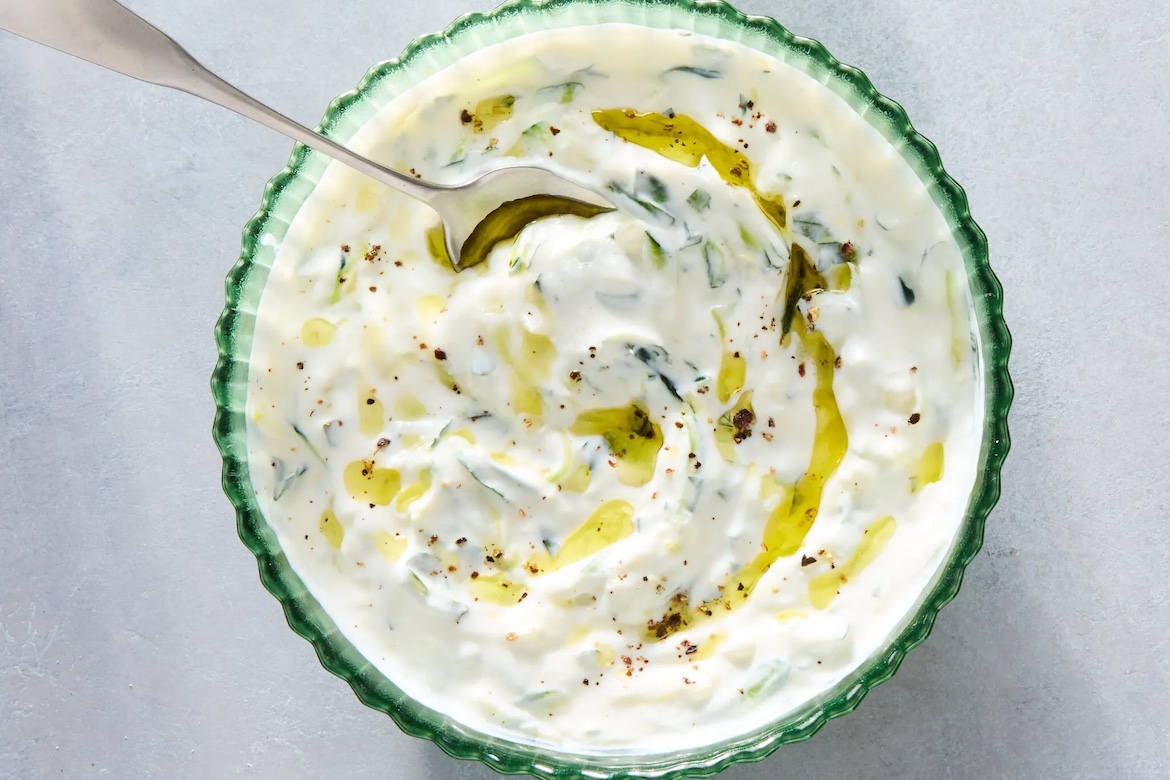
The 256-page book is more than a collection of recipes. It is also a journey through the deeply regional nature of Greek food—a reminder that there is no single Greek kitchen and that the country’s cuisine extends far beyond the familiar rotation of moussaka, souvlaki, Greek salad and tzatziki.
What makes the book especially compelling is the way these regional differences come alive through the recipes themselves. Each dish feels rooted in a specific place and season, shaped by what could be grown, gathered or preserved at the time. From hand-rolled pies filled with wild greens to slow-simmered stews perfumed with local herbs, the recipes carry the unmistakable imprint of home cooking at its most honest and resourceful.
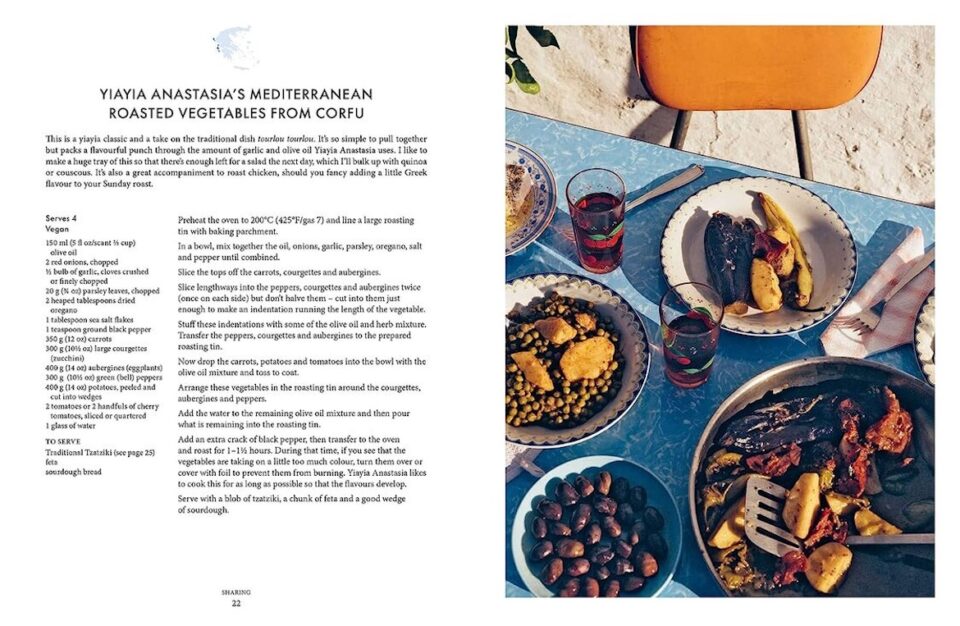
Many of the dishes are also surprisingly accessible, designed for the modern kitchen without losing their traditional soul. Miari preserves the intuitive style of the yiayiades while gently guiding readers through techniques that might otherwise feel unfamiliar—making it possible for home cooks anywhere to recreate the warmth of a Greek family table.
Miari traveled from the lush Ionian Islands to the Cyclades, northern Greece, Crete and the distant corners of the Dodecanese, meeting women whose recipes were shaped by their islands, villages, landscapes and family histories.
The dishes reflect that range: stuffed zucchini from Lesvos, fourtalia from the Cyclades, spicy Corfiot bourdeto, pasta dishes from the Ionian Islands, Cretan dakos and watermelon cake from Milos.
But the recipes are only part of the story.
The real subjects of Yiayia are the grandmothers themselves—the women who learned to feed large families with whatever was growing nearby, who cooked according to the seasons and who understood the value of an ingredient because throwing food away was simply not an option.
Many of them came of age during difficult decades in Greece, when poverty, war and political upheaval were not distant chapters in a history book but part of everyday life. Their cooking developed from necessity, but it also became an expression of care, resilience and identity.
Miari’s fascination with these women began with her own grandmother, also named Anastasia, in the village of Perivoli in southern Corfu.
Her grandmother’s grilled sea bream, served with an unapologetically garlicky skordalia, became the meal that inspired Miari to begin documenting the food and stories of grandmothers. That first project eventually became Grand Dishes, a collection featuring women from around the world. With Yiayia, she returned entirely to Greece.
The result is a book that works on several levels. It can sit on a kitchen counter as a practical cookbook, but it can also be read as a collection of personal histories and as a culinary map of Greece.
There are generous dishes meant for sharing, comforting meals and recipes for celebrations and sweets. Many are vegetable-forward, reflecting a traditional Greek diet in which meat was often reserved for Sundays, feast days and special occasions rather than appearing at every meal.
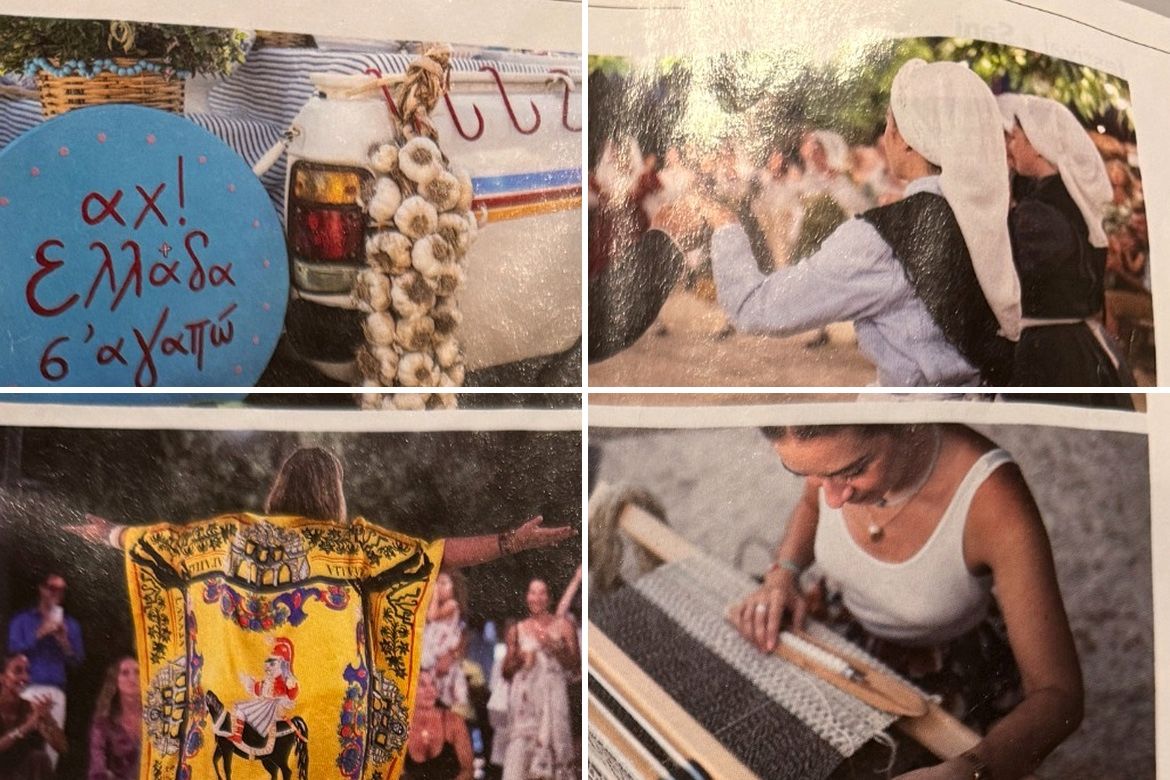
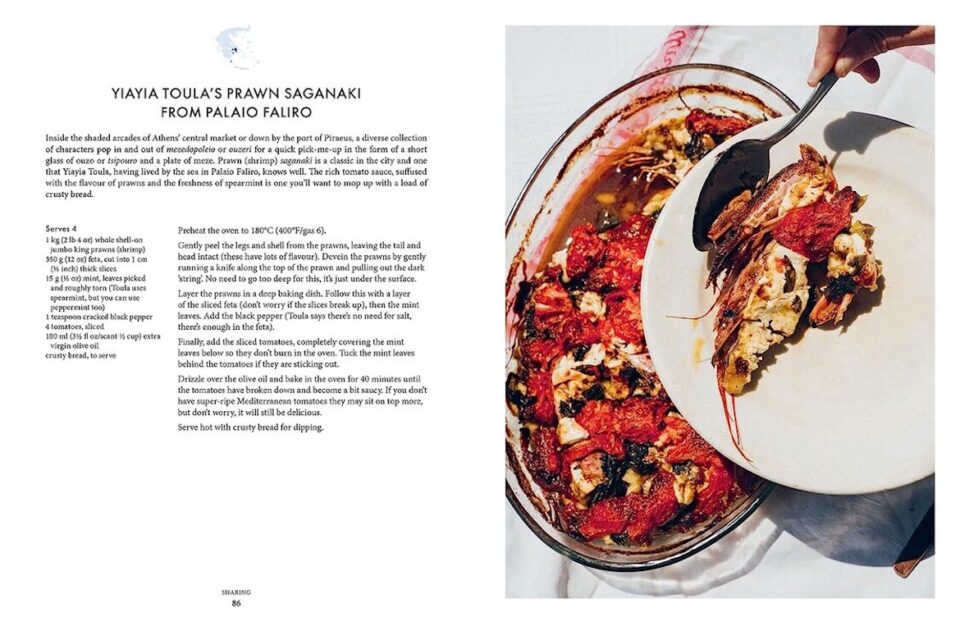
The photography brings readers inside the homes, kitchens and landscapes where the dishes originated. These are not anonymous recipes detached from place. The women are introduced, their memories are recorded and their food is allowed to remain connected to the lives that produced it.
Cookbooks often modernize traditional food by simplifying it, polishing it or adapting it to current trends. Yiayia takes a different approach. It begins with the belief that these women already know what they are doing—and that the rest of us might benefit from paying attention.
At a time when so much culinary knowledge is reduced to short videos and rapidly disappearing social media posts, Yiayia feels like a more permanent record of something Greece cannot afford to lose.
The recipes may be time-perfected, as the title says. The more important achievement is that the women who perfected them have been given the space—and the credit—they deserve.