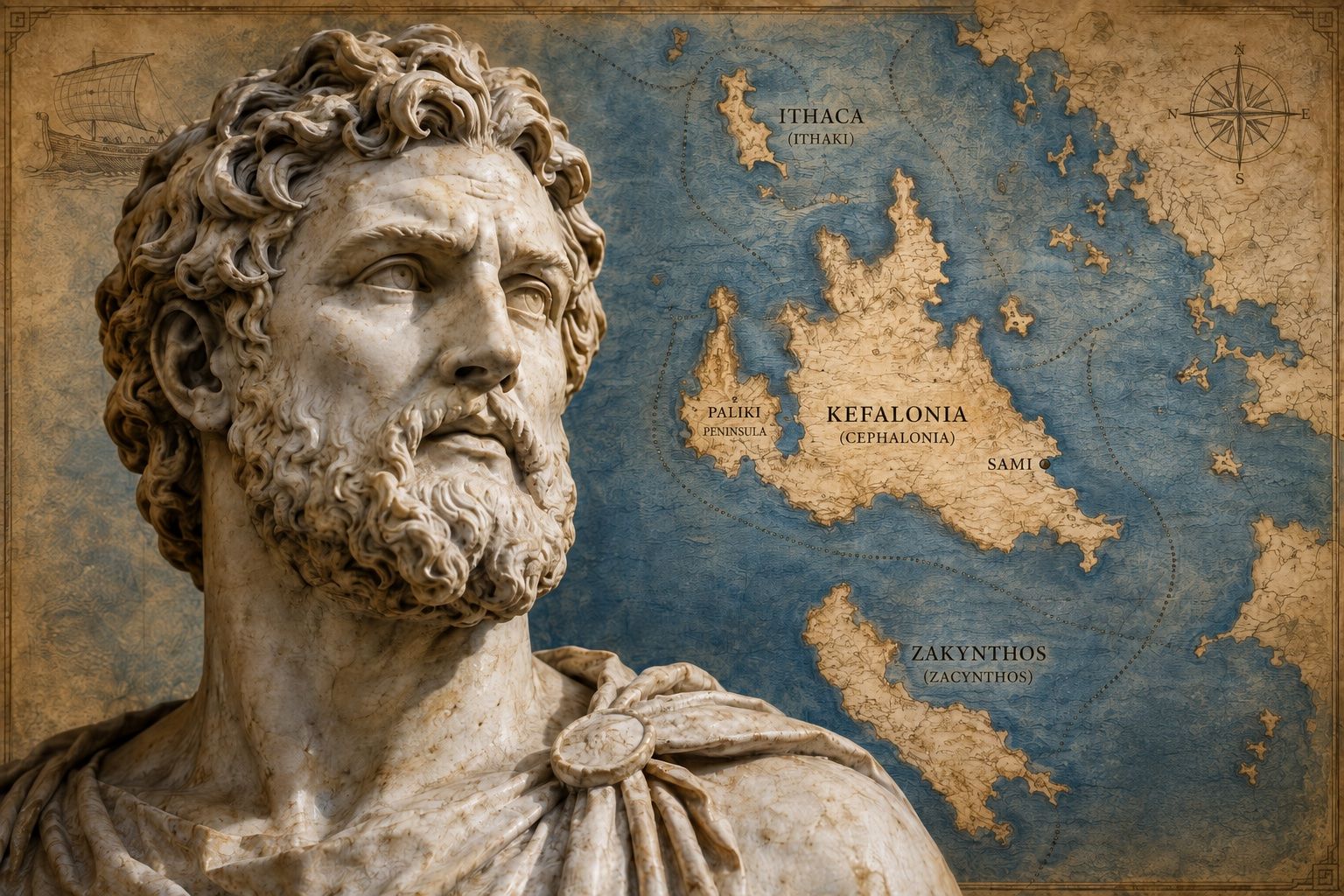

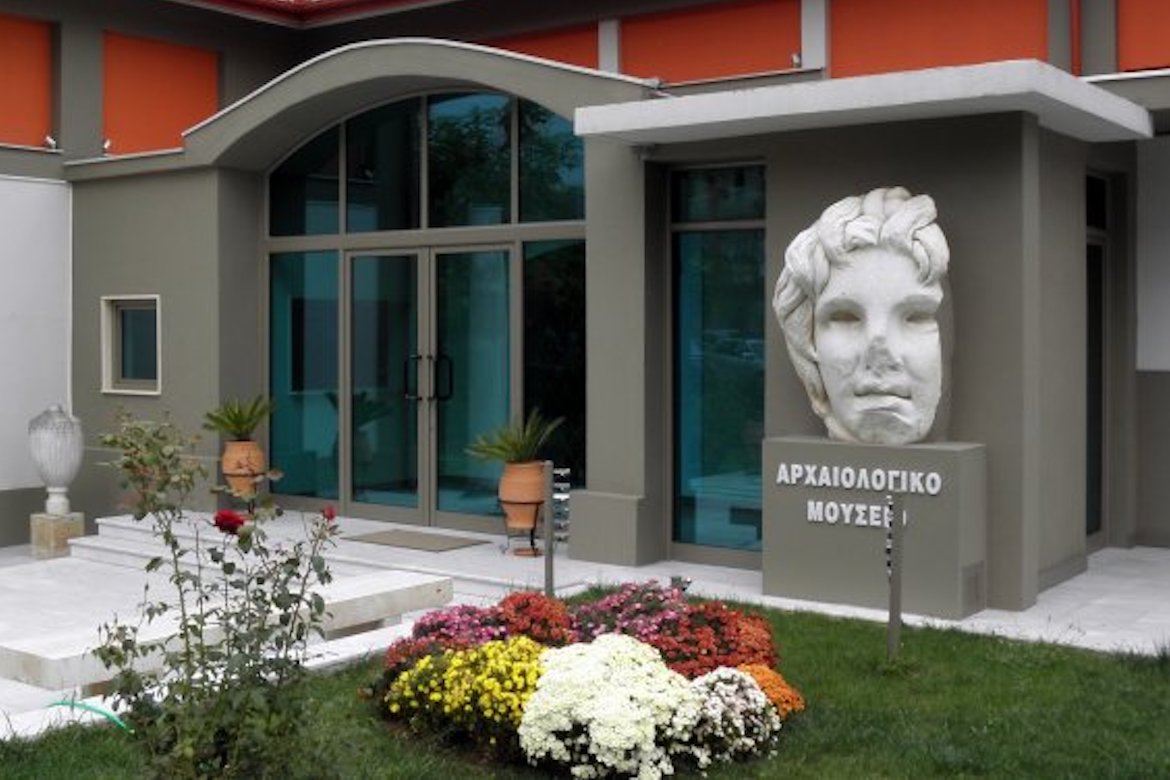
An ancient sculpture of Alexander the Great has been found inside the storage room of a Greek museum.
The unexpected find was made at the Archaeological Museum of Veroia by leading archaeologist Angeliki Kottaridi, who announced it in a Facebook post.
In her post, Kottaridi described the rare sculpture, which had been buried among clutter in the museum warehouse.
“A ‘brand new’ Portrait of Alexander, still unknown to archaeologists and art lovers… For decades lost in a dark corner of the warehouse of the Archaeological Museum of Veroia between crates with ceramic, half under old mortars and pollutants,” Kottaridi wrote (in Greek).
During routine cleaning a few weeks ago, surprised staffers rediscovered the sculpture of the Greek king, which archaeologists had originally found decades ago near Veroia.
The sculpture is scheduled be featured in a major exhibition next year at the Aigai Museum in Vergina, another Greek archaeological site of national importance.
In the ancient city of Aigai in 336 BC, Philip II was assassinated in the theater and Alexander the Great was proclaimed king. In 1976, under the leadership of archaeologist Manolis Andronikos, the ancient site was discovered and excavated, unearthing the burial sites of numerous Macedonian kings of Macedonia, including the tomb of Philip II — Alexander the Great’s father.
The Aigai Museum in Vergina has been awarded UNESCO World Heritage Site status as “an exceptional testimony to a significant development in European civilization, at the transition from classical city-state to the imperial structure of the Hellenistic and Roman periods”.
Alexander the Great ruled over one of the largest empires in the world and historians widely consider him to be one of history’s most accomplished military commanders.
For generations, scholars and historians have debated over his death, which occurred prematurely at age 32. A wide range of theories have been proposed as to why he died so young.