

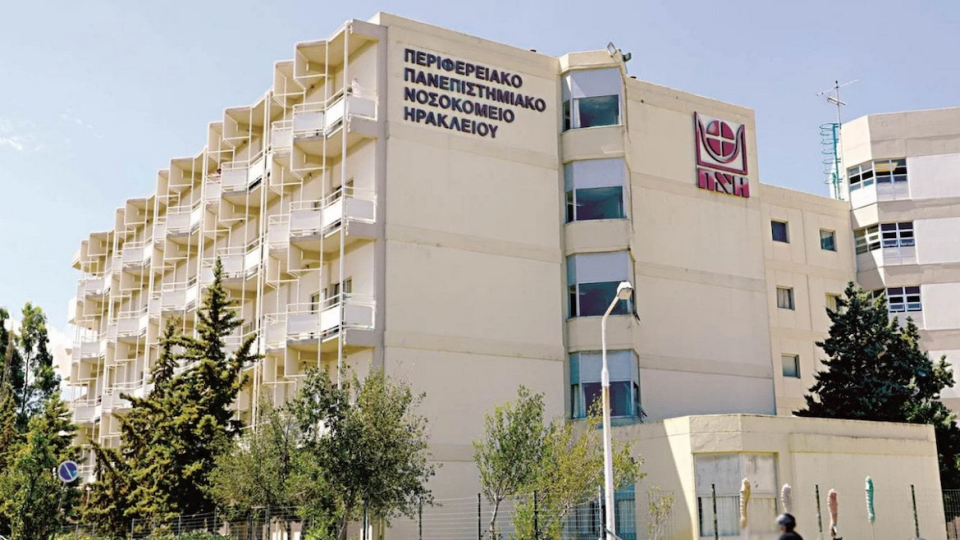
The Pancretan Association of America (PAA) has inaugurated the first Epilepsy Monitoring Unit in Crete at the University General Hospital of Heraklion (PAGNI)—one of only three such units currently operating in Greece’s public hospitals.
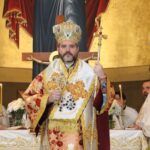
Regional Governor Stavros Arnaoutakis joined PAA President Diane (Diamanta) Kounalakis, World Council of Cretans President and PAA Vice President Nikos Kastrinakis, clergy, physicians, and PAA members who traveled from the United States for the ribbon cutting. The blessing was offered by Archbishop Myron of New Zealand together with Archbishop Eugenios of Crete.
Kounalakis thanked donors across the American Cretan community and the Region of Crete for matching funds, noting that the project reflects a long tradition of diaspora giving back to the island. She also acknowledged the crucial role of Dr. Yiannis Karakis, whose proposal and guidance helped carry the project from concept to completion.
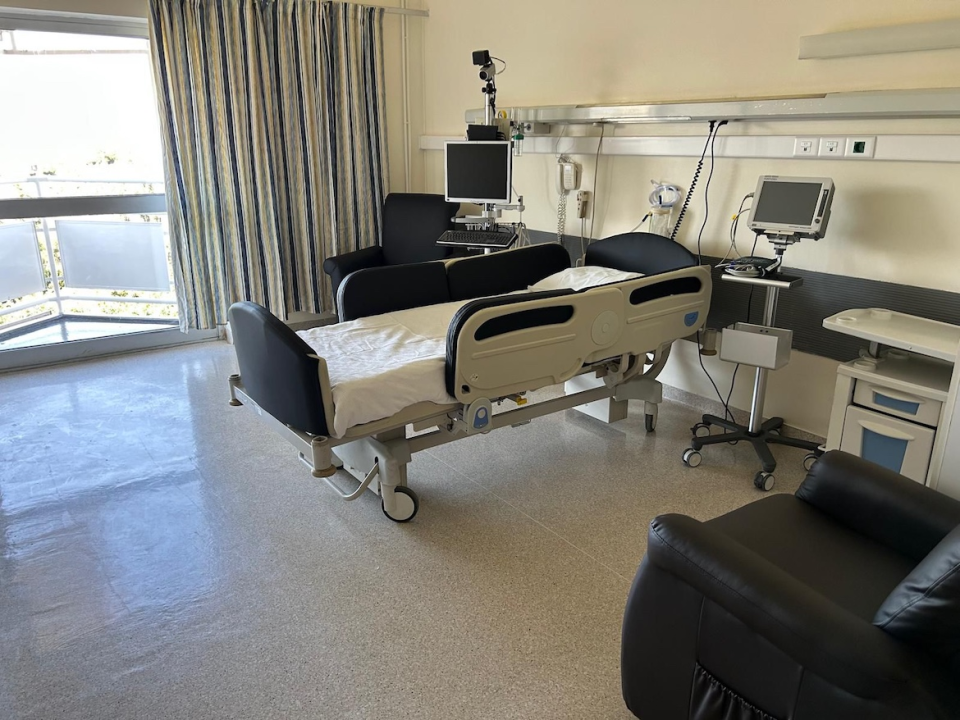
Beyond the ceremony lies the impact. The unit is already serving patients, sparing families from costly and disruptive travel to Athens for advanced diagnostics. Epilepsy and seizure disorders touch far more lives than most realize, and the new monitored setting at PAGNI gives clinicians the tools to evaluate and treat complex cases close to home. Testimonials from families at the event underscored what this means at a human level.
For the Cretan diaspora, gifts like this are not one-offs—they are part of a century-long pattern. The PAA, a national umbrella association of local chapters scattered across the United States where Cretan immigrants landed, was founded in 1929.
Its mission was to unite these early Cretan clubs around culture, education, and philanthropy. That philanthropic thread has repeatedly run back to the island.
After World War II, the association helped rebuild the island’s infrastructure, as well as the human spirit of its residents. One notable effort was the funding of dowries for young women, a critical piece of old-world tradition, necessary for marriage and building a new family that may seem archaic to contemporary people.
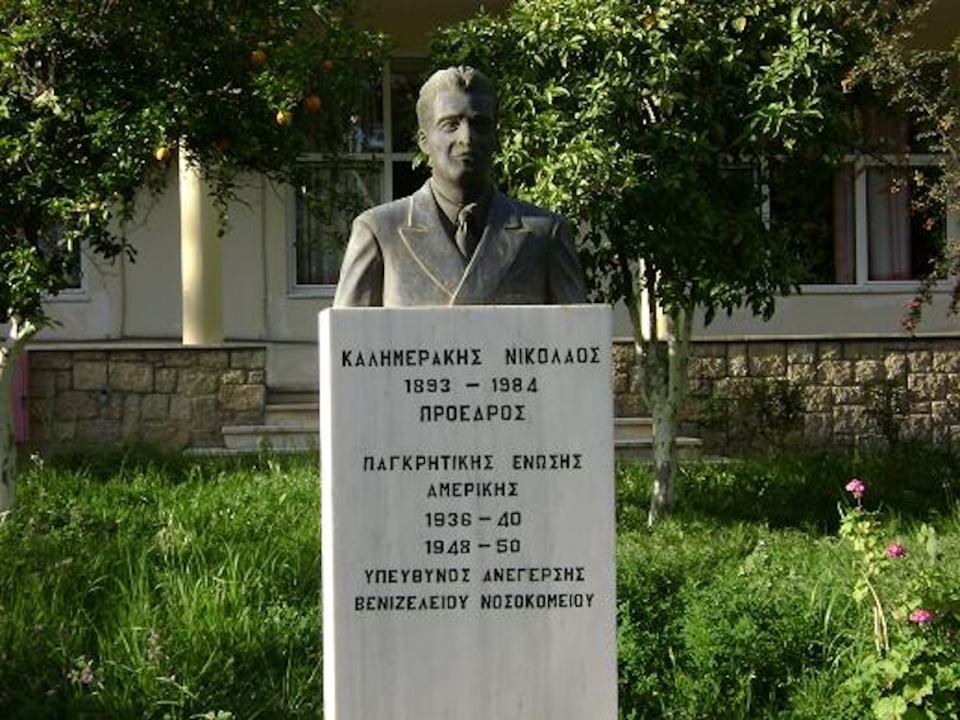
In the mid-20th century, Cretans of America helped establish the Venizeleio Sanatorium in Heraklion, which later evolved into the Venizeleio General Hospital— laying a cornerstone of modern public healthcare on the island. It remains one of the clearest examples of how diaspora contributions have shaped everyday life on the island.
Over the decades, the PAA’s support has continued in many forms— capital projects, medical equipment, and people-focused programs through scholarships and cultural initiatives.
In just the past few years, PAA donors have contributed nearly half a million dollars to targeted philanthropic causes across Crete, working with regional organizations, church and political leadership to address needs with lasting benefit.
Leaders of the organization see the new Epilepsy Monitoring Unit as part of that arc—another chapter in a story that began generations ago and continues to evolve. The sea between Crete and America has never diminished kinship or responsibility; if anything, it has strengthened both.
And when that connection takes the form of skilled clinicians, modern monitors, and a family that can stay close to home for care, the island’s long tradition of diaspora giving feels as present as ever.