
Greece is confronting a critical water shortage, prompting the government to unveil a sweeping national plan aimed at overhauling water resource management across the country.
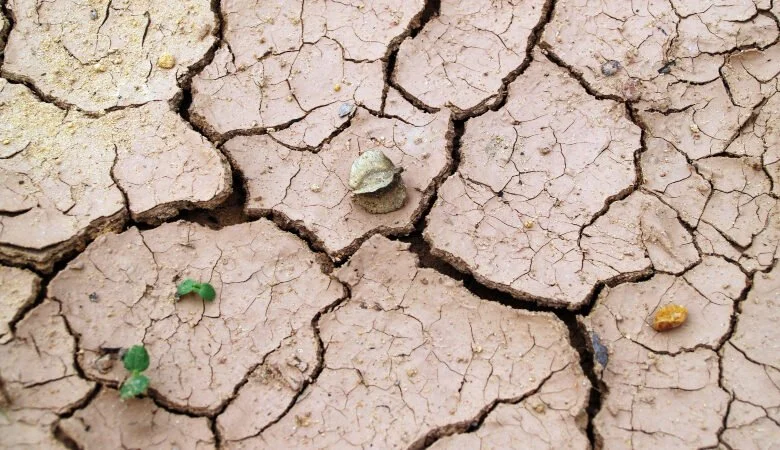
The crisis stems from prolonged drought conditions and declining reservoir levels. In Attica, water reserves have decreased by over 50% since 2022, while the capital region, as well as Crete, will be placed under a formal drought designation to accelerate new projects.
To address the water emergency, the Greek water utilities EYDAP and EYATH, serving Athens and Thessaloniki respectively, will expand their operations. The Greek government has also proposed the consolidation of more than 700 municipal water companies into a single entity managing water supply elsewhere in the country.
The national water plan, discussed during a high-level meeting chaired by Greek Prime Minister Kyriakos Mitsotakis, includes the creation of a new water security fund that will support new investments in desalination infrastructure and other advanced water management technologies.
Water usage in Athens rose 10% in 2024 alone, while in tourist areas demand has surged by up to 40%. At the same time, a study by the National Technical University of Athens found that irrigation accounts for nearly 85% of national water consumption, much of it through outdated and inefficient systems.
Another proposed long-term solution is the reuse of wastewater. Speaking during an interview on ERT news, Chair of the Greek National Climate Change Council Dr. Costas Synolakis predicted that the Psytalleia wastewater treatment plant may eventually be upgraded to supply treated water back into Greece drinking water network, although full implementation of this plan is not anticipated before 2035–2040. He predicts Greece will see a 15% decrease in rainfall by 2035, intensifying pressure on already-stressed water supplies.
According to Professor Christos Karavitis, Dean of the School of Environment and Agricultural Engineering at the Agricultural University of Athens, Athens retains a water reserve sufficient for the next 18 months even if no rainfall occurs during that period.
Greece currently ranks 19th globally in water stress risk, according to the World Resources Institute.