
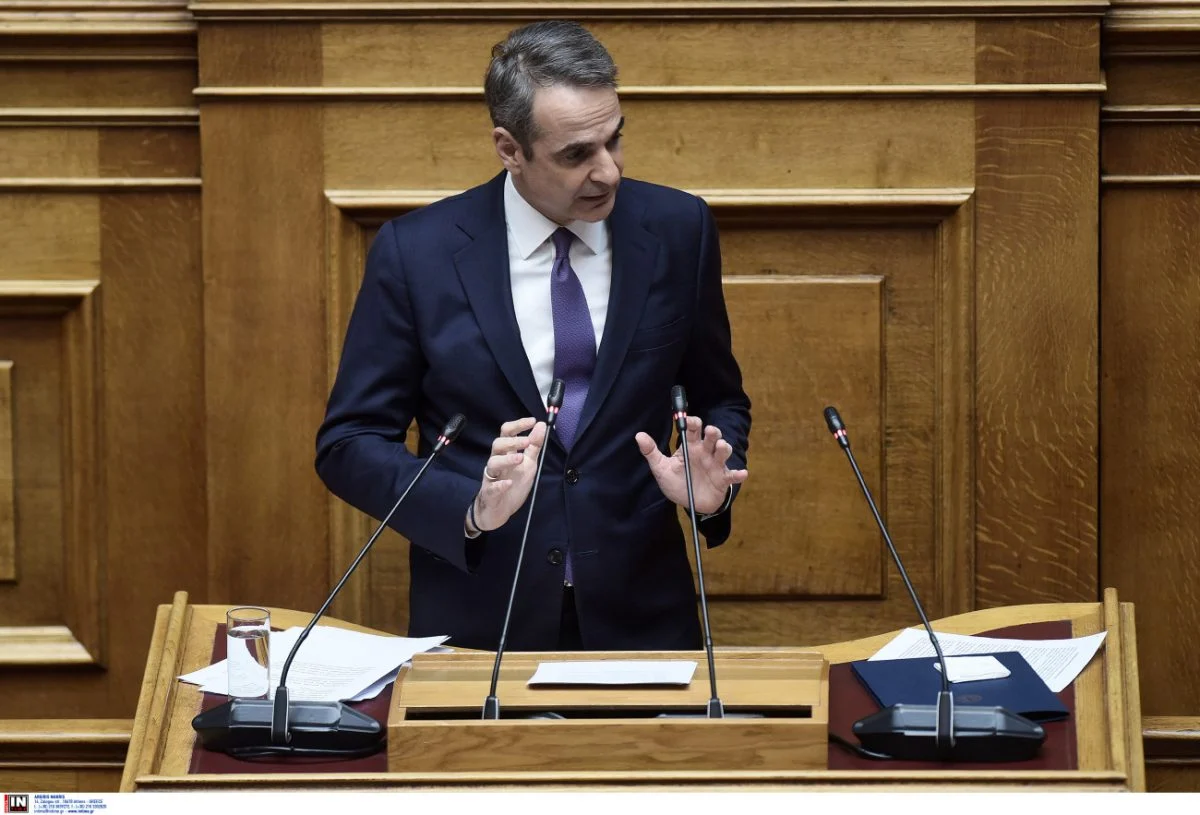
Greek Prime Minister Kyriakos Mitsotakis has announced a sweeping €25 billion ($28.02 billion) defense overhaul, calling it “the most drastic transformation of the armed forces in the country’s history.”
The plan, which spans 12 years, was presented by Mitsotakis in a speech at the Hellenic Parliament, centers on upgrading Greece’s existing deterrence capabilities, while integrating advanced technologies and strengthening Greece’s domestic defense industries.
The strategy’s core philosophy focuses on the integration of new defense technologies within a transformed theater of operations. From Ukraine to developments in the Middle East, Mitsotakis described a “different kind of war” than the one for which the Greek Armed Forces were possibly ready to fight.
“Unmanned vehicles, loitering munitions, drones, new methods of warfare, systematization, the use of AI, and an emphasis on cyberattacks. All of these are technologies that must now be incorporated into the long-term planning of the armed forces.”
Greece’s key acquisitions include more than 20 U.S. fifth-generation F-35 fighter jets, the procurement of 24 French-built Rafale aircraft, and the delivery of three French-built Belharra-class defense and intervention frigates.
But also Mitsotakis emphasized that “it is no longer sufficient to focus only on high-cost platforms,” such as fighter jets and frigates. These must be accompanied by investments in “flexible weapons systems that can be continually adapted, upgraded and improved.”
That is why the 12-year plan also incorporates a next-generation defense system titled “Achilles’ Shield.” This multi-layered dome is designed to protect against drones, missiles, aerial and marine threats including submarines.
Mitsotakis stressed the importance of ensuring the operational readiness of weapons systems, but also managing their long-term costs in a way that avoids future budgetary surprises.
Mitsotakis placed strong emphasis on the domestic production of weapons systems—not only by established companies like the Hellenic Aerospace Industry and the Hellenic Defense Systems, but also by emerging defense startups. The Greek PM called the participation of the Greek defense industry a “non-negotiable condition for every new program.”
Finally, Mitsotakis highlighted Greece’s important role as a NATO member, a strategic ally of the U.S., and a “central pillar” of European defense.
“After all, Greece has always been a country that, even in difficult times, always spent more than 2% of its GDP on defense investments. Today, we are well above that threshold. And clearly, our ability to spend more on defense also makes us key players in this discussion about our new European defense architecture.”