
Following is the text of an original story that appeared in the October 3, 1922 edition of The New York Times covering the atrocities taking place in Smyrna — following the arrival of the Turkish troops in the city.
The story centers on the testimony of Dr. Esther Pohl Lovejoy, an American missionary who had a team of field workers tending to the Christians who were caught in the firestorm.
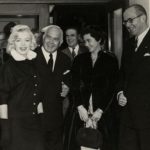
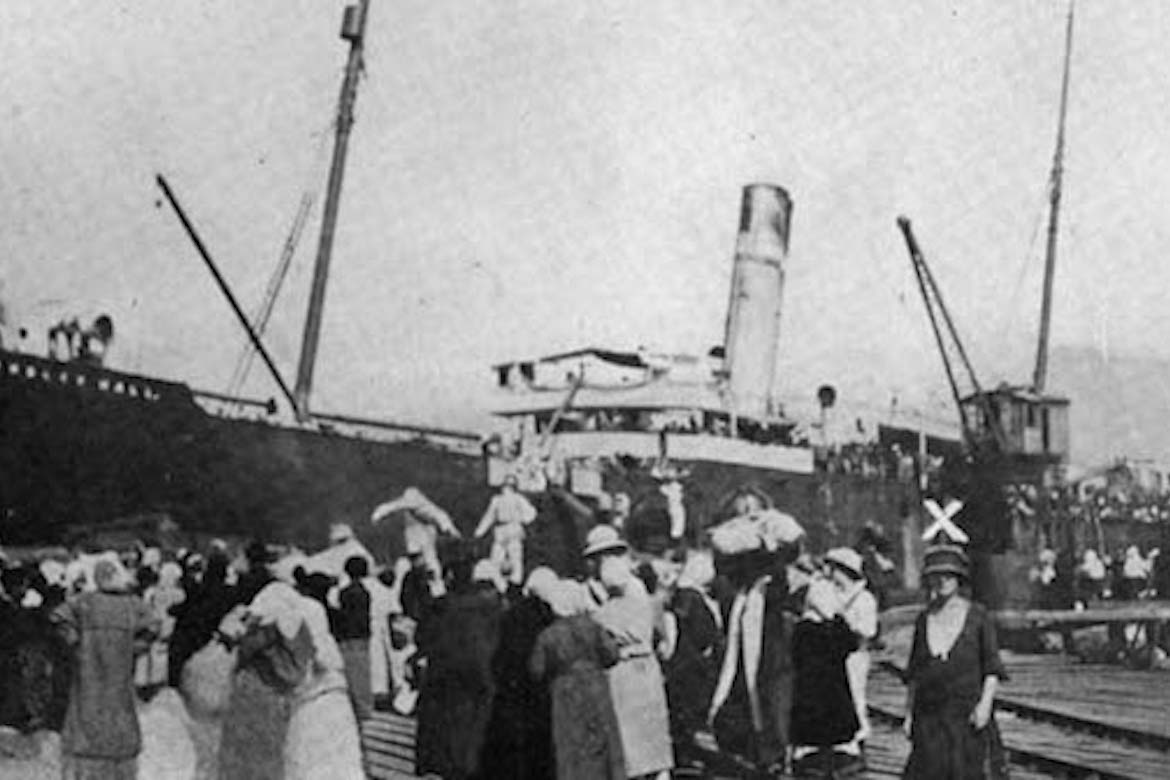
In the photo above, the “X” marks Dr. Lovejoy at the docks assisting the victims.
Lovejoy went on to establish an extensive network of medical camps throughout the Greek islands. She wrote a book about her experiences called “Certain Samaritans,” published in 1927 and reprinted recently.
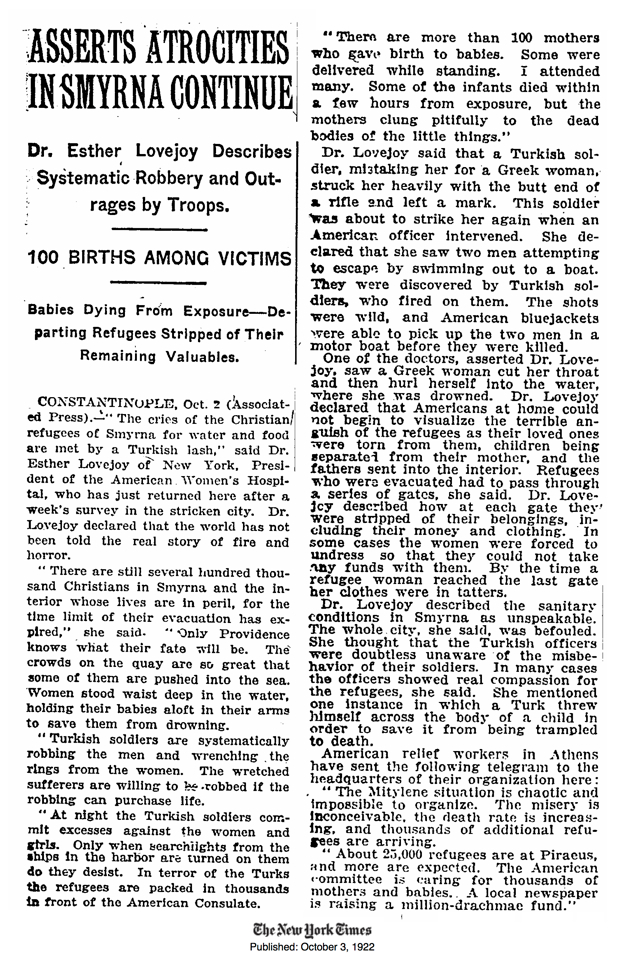
The full text of the article is below, as is a microfilm image of the story from the newspaper.
ASSERTS ATROCITIES IN SMYRNA CONTINUE
Dr. Esther Lovejoy Describes Systematic Robbery and Outrages by Troops.
100 BIRTHS AMONG VICTIMS
Babies Dying From Exposure — Departing Refugees Stripped of Their Remaining Valuables.
Constantinople, Oct. 2 [1922] (Associated Press). “The cries of the Christian refugees of Smyrna for water and food are met by a Turkish lash,” said Dr. Esther Lovejoy of New York, President of the of the American Women’s Hospital, who has just returned here after a week’s survey in the stricken city. Dr. Lovejoy declared that the world has not been told the real story of the fire and horror.
“There are still several hundred thousand Christians in Smyrna and the interior whose lives are in peril, for the time limit of their evacuation has expired,” she said. “Only Providence knows what their fate will be. The crowds on the quay are so great that some of them are pushed into the sea. Women stood waist deep in the water, holding their babies aloft in their arms to save them from drowning.
“Turkish soldiers are systematically robbing the men and wrenching the rings from the women. The wretched sufferers are willing to be robbed if the robbing can purchase life.
“At night the Turkish soldiers commit excesses against the women and girls. Only when searchlights from the ships in the harbor are turned on them do they desist. In terror of the Turks the refugees are packed in thousands in front of the American Consulate.
“There are more than 100 mothers who gave birth to babies. Some were delivered while standing. I attended many. Some of the infants died within a few hours from exposure, but the mothers clung pitifully to the dead bodies of the little things .”
Dr. Lovejoy said that a Turkish soldier, mistaking her for a Greek woman, struck her heavily with the butt end of a rifle and left a mark. This soldier was about to strike her again when an American officer intervened. She declared that she saw two men attempting to escape by swimming out to a boat.
They were discovered by Turkish soldiers, who fired on them. The shots were wild, and American bluejackets were able to pick up the two men in a motor boat before they were killed.
One of the doctors, asserted Dr. Lovejoy saw a Greek woman cut her throat and then hurl herself into the water, where she was drowned . Dr. Lovejoy declared that Americans at home could not begin to visualize the terrible anguish of the refugees as their loved ones were torn from them, children being separated from their mother and the fathers being sent into the interior. Refugees who were evacuated had to pass through a series of gates, she said. Dr. Lovejoy described how at each gate they were stripped of their belongings. Including their money and clothing. In some cases the women were forced to undress so that they could not take any funds with them. By the time a refugee woman reached the last gate her clothes were in tatters.
Dr. Lovejoy described the sanitary conditions in Smyrna as unspeakable. The whole city, she said, was befouled. She thought that the Turkish officers were doubtless unaware of the misbehavior of their soldiers. In many cases the officers showed real compassion for the refugees, she said. She mentioned one instance in which a Turk threw himself across the body of a child in order to save it from being trampled to death.
American relief workers in Athens have sent the following telegram to the headquarters of their organization here:
“About 25,000 refugees are at Piraeus, and more are expected. The American committee is caring for thousands of mothers and babies. A local newspaper is raising a million-drachmae fund.”