
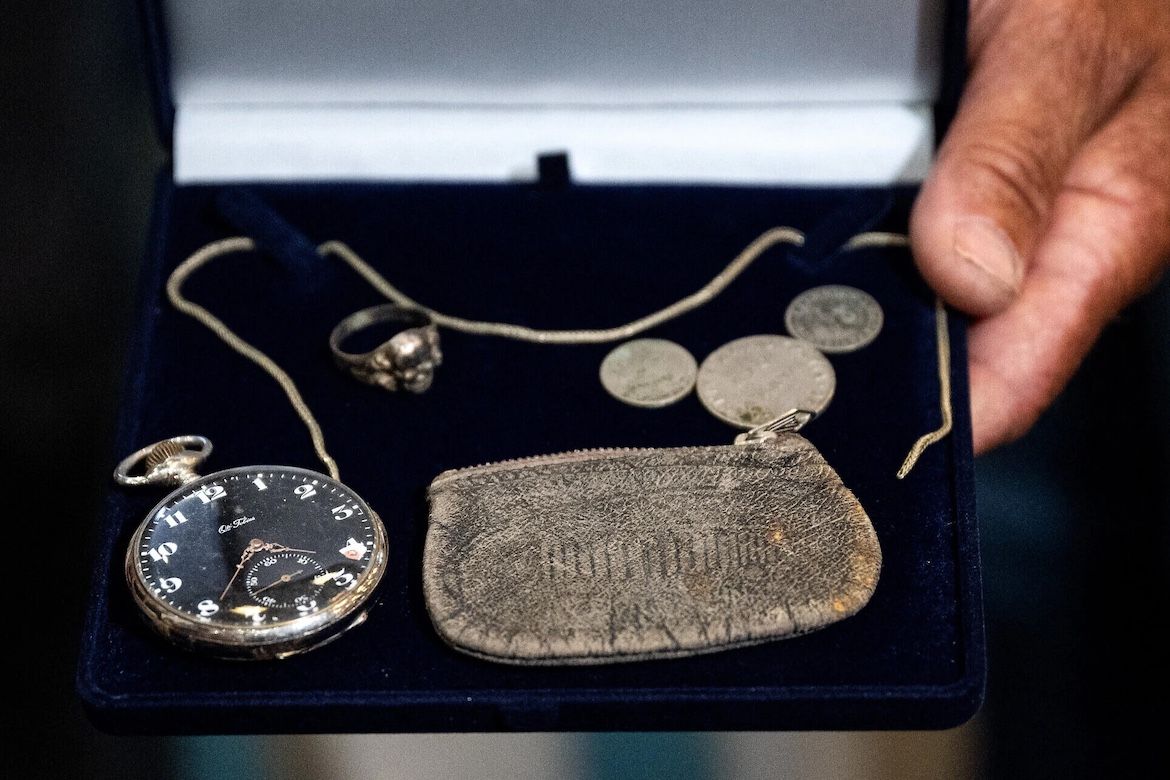
Sometimes history isn’t found in museums. Sometimes it is found in a watch. Or a ring. Or a worn leather wallet that survived a Nazi concentration camp long after the man who carried had passed away.
More than eight decades after four Greek victims of Nazi persecution were stripped of their personal belongings inside German concentration and forced labor camps, those treasured possessions have finally found their way home—not because they were discovered by historians or professional researchers, but because Greek schoolchildren refused to let their stories remain unfinished.
During an emotional ceremony at Greece’s Ministry of Foreign Affairs this week, families of four Greek Holocaust victims received watches, jewelry, personal documents and other belongings that had been preserved for decades in the Arolsen Archives, the world’s largest archive documenting victims of Nazi persecution.
The return marked the completion of Greece’s participation in the international #StolenMemory campaign, an initiative dedicated to reuniting victims’ personal belongings with their surviving relatives.
What makes the Greek effort remarkable is who led the search.
Students from secondary schools across Greece spent months tracing descendants of people deported to Nazi camps between 1943 and 1944. They combed through municipal archives, police records, Greek Red Cross files, church documents and family histories, making phone calls, sending emails and following decades-old clues until they located living relatives—some in Greece, others abroad.
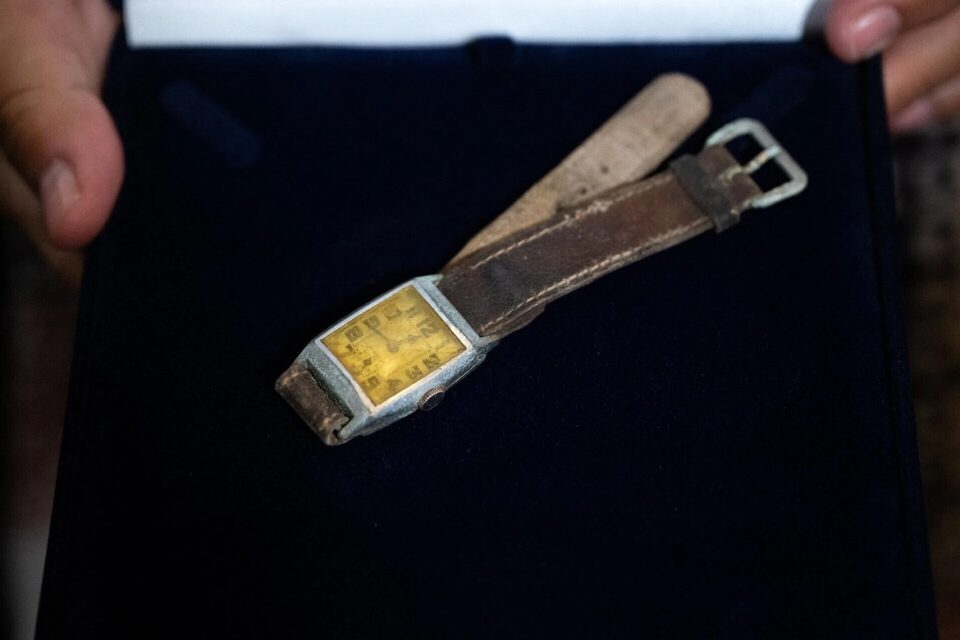
Among them were students from a school in Evosmos, outside Thessaloniki, who tracked down the family of Evangelos Kerasiotis. Deported to the Neuengamme concentration camp at just 19 years old, Kerasiotis survived the camps and returned to Greece after the war, only to die at age 24 from health complications linked to his imprisonment. His wristwatch was finally returned to his family this week.
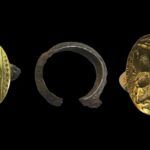
Another student team located the relatives of Giorgos Sagmatopoulos, whose pocket watch was handed to the granddaughter of his sister. Other students helped reunite the family of Dimitrios Vafeiadis with his wallet, coins, ring and pocket watch, while another group found the descendants of Nikolaos Fasouliotis, allowing his bracelet and brooch to return home after 81 years.
The project also achieved something unprecedented.
Greece became the first country in the world to successfully identify the families of every one of its citizens whose personal belongings remained in the Arolsen Archives. It is also the only country to integrate students into a coordinated national effort of this kind, transforming Holocaust remembrance from something learned in classrooms into something lived through research, empathy and human connection.
Nearly 70,000 Greek Jews—about 86 percent of the country’s Jewish population—were murdered during the Nazi occupation. Many thousands of other Greeks were imprisoned, deported or sent to forced labor camps. For countless families, photographs, letters and small personal possessions became the only tangible connection to loved ones who never returned.
As Holocaust survivors become fewer with each passing year, projects like this offer another way to preserve memory—not only by remembering names, but by returning the ordinary objects that once belonged to extraordinary lives.
In the hands of a young student searching through old records, history ceased to be a chapter in a textbook. It became a promise that even after 81 years, someone was still looking. Someone cared enough to preserve the memory of a dark chapter in Greece’s history when a dark cloud of right wing fascism overcame the nation and decimated entire communities.