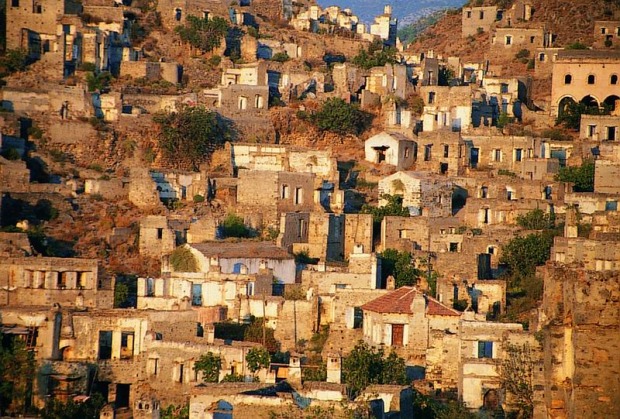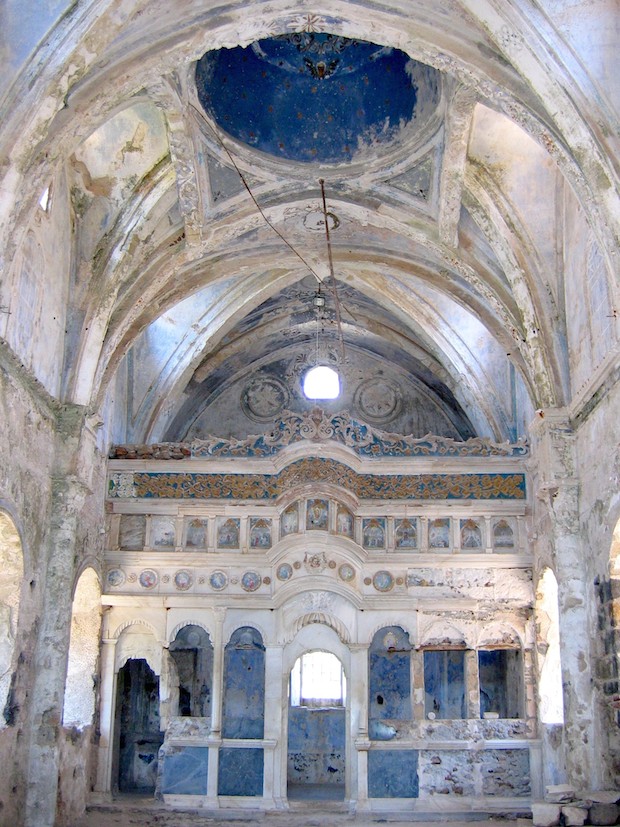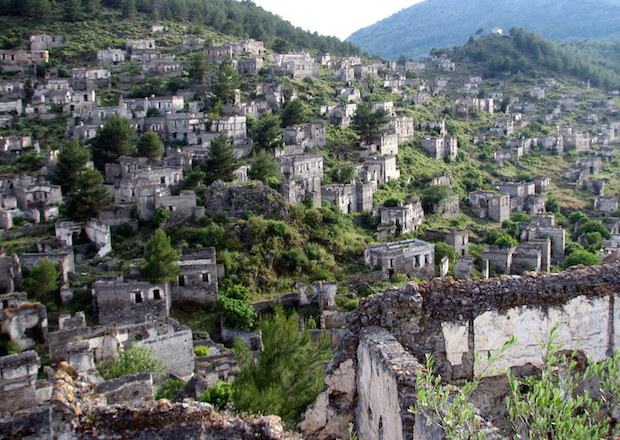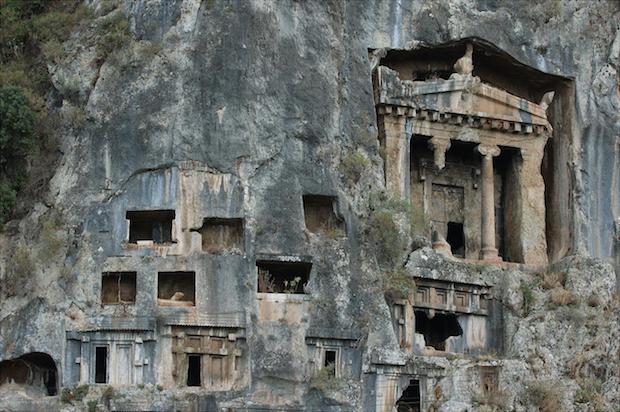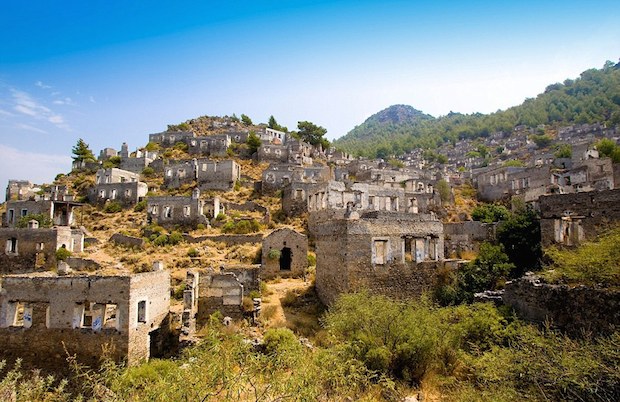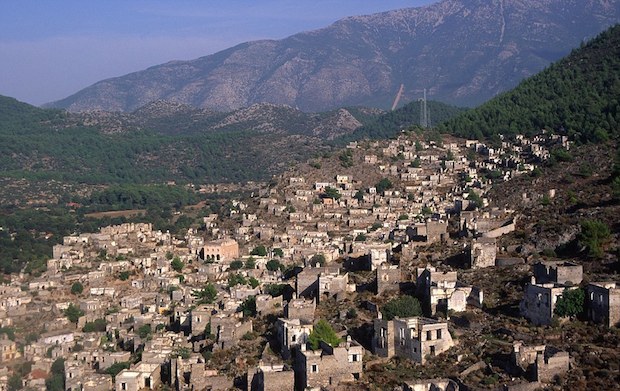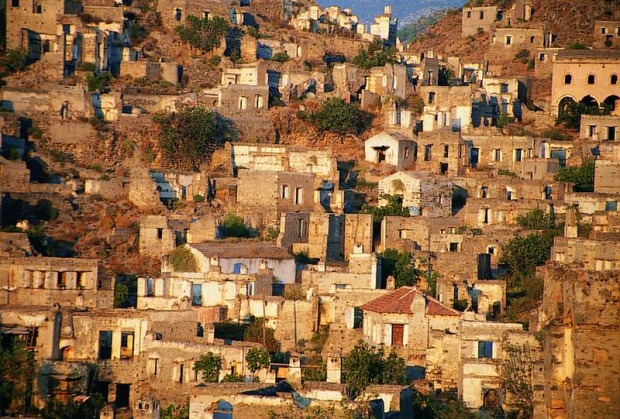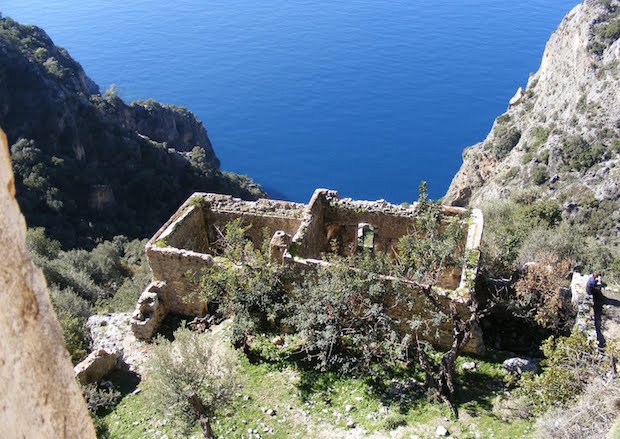

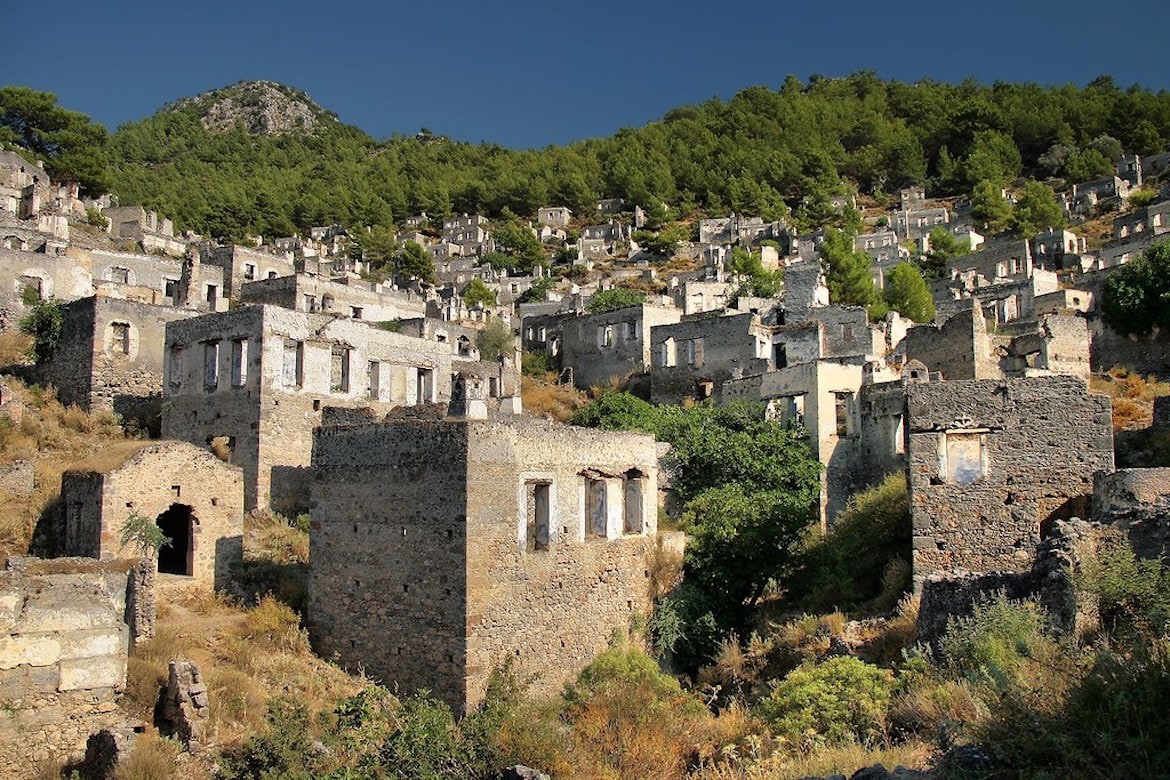
We published a story about a town in Turkey named Kayaköy (Levissi in Greek) that was abandoned by its inhabitants in 1922-23 when all Greeks were forced to flee.
Greeks were forced out of Turkey by the genocide against them, which prompted survivors to flee during the population exchange.
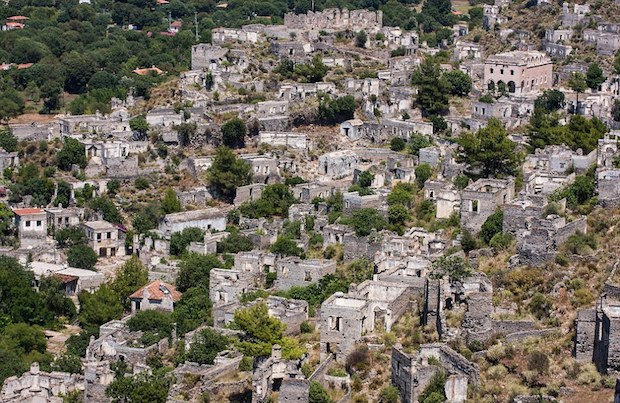
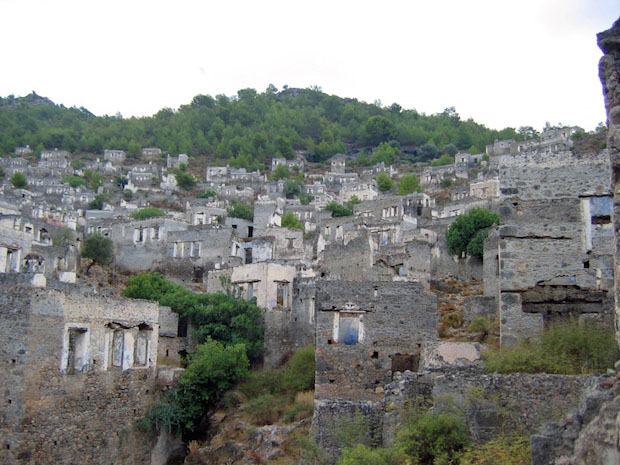
The town of Kayakoy is one of the world’s spookiest “ghost towns”— abandoned almost a century ago by people fleeing for their lives, leaving behind their possessions, homes and livelihoods.
The site is an eerily compelling and moving reminder of the sad aftermath of the World War I and subsequent Greco-Turkish War, which resulted in the massacres of tens of thousands of Greek Christians who had lived in what is now modern Turkey for centuries.
Like millions of others, the Greeks of Kayakoy were part of the population exchange of 1923 and forcibly relocated to mainland Greece.
Meanwhile, the Muslim farmers exiled from Greece at the same time found the land in Kayakoy inhospitable and soon left for other areas of Turkey, leaving the hillside village abandoned for a second time.
In 1957, a 7.1 magnitude earthquake delivered Kayakoy its final coup de grâce, destroying most of the town’s buildings. Homes and businesses around the valley floor were later restored or rebuilt, but the hillside homes and buildings have been left untouched.
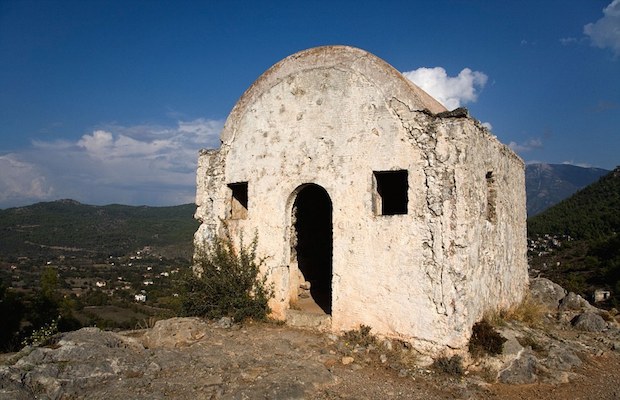
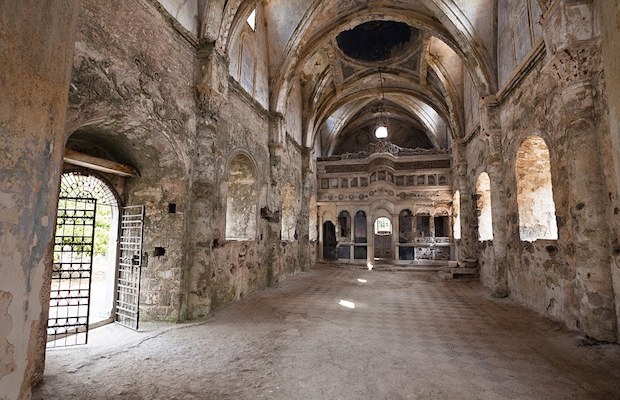
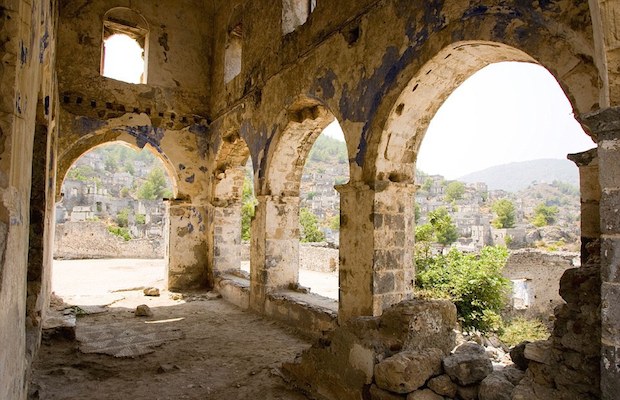
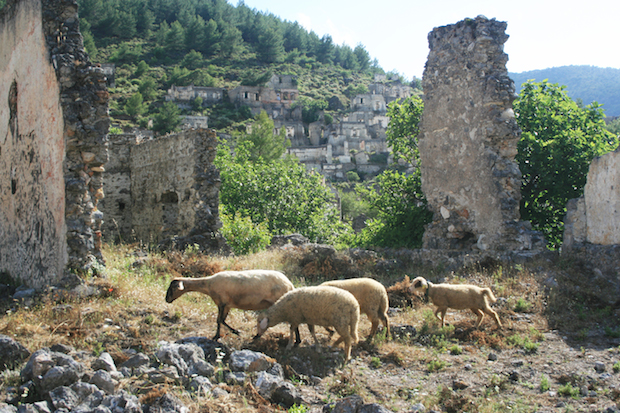
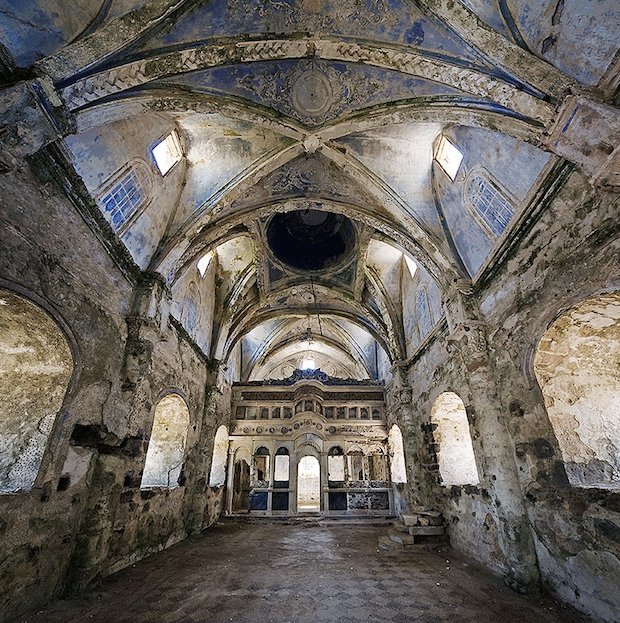
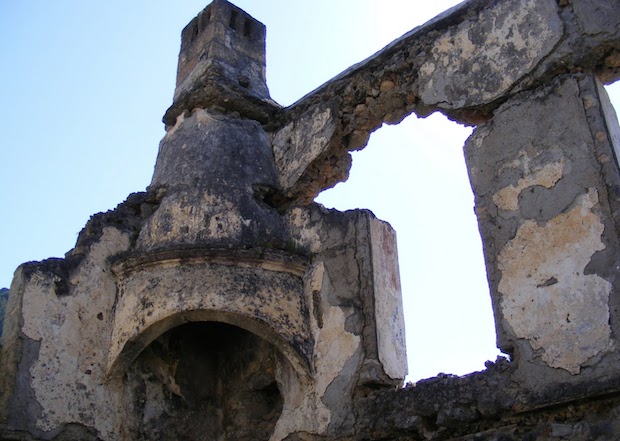
Today, the hillside of Kayakoy remains deserted, never having recovered — either culturally or economically — from the mass Greek exodus in 1923. The homes, schools, shops, cafés, chapels and churches have been left to crumble, unprotected from looters and the elements.
Louis de Bernieres, the British novelist most famous for his novel Captain Corelli’s Mandolin, has voiced cautious reservations about the Turkish government’s plans.
His second novel, Birds Without Wings, took inspiration from the village. Published in 2004, the novel portrays the people in a small village named Eskibahçe (the fictional setting based on Kayaköy) toward the end of the Ottoman Empire, the rise of Kemal Atatürk and the outbreak of WWI.
Bernieries said the potential development of Kayakoy “could either be a wonderful rebirth, or a terrible act of vandalism, depending on how sensitively it is done.”
He added that “The town cannot take motor traffic, as the streets are too narrow, and putting in infrastructure might cause damage. The restorations should be as authentic as possible, so that the former way of life is evident.”
Featured image / Jorge Fraganillo
See 20 stunning photos of Kayakoy (Levissi)