
The Athenian neighborhood of Vrysaki is being brought back to life through an exhibition at the American School of Classical Studies at Athens.
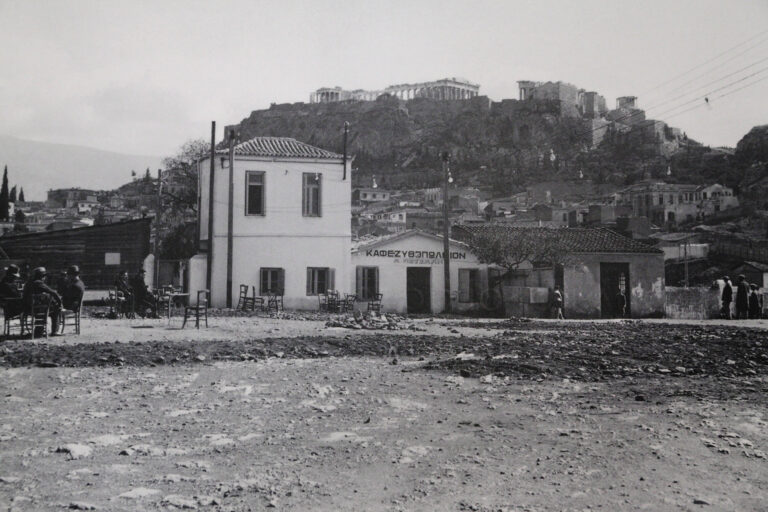
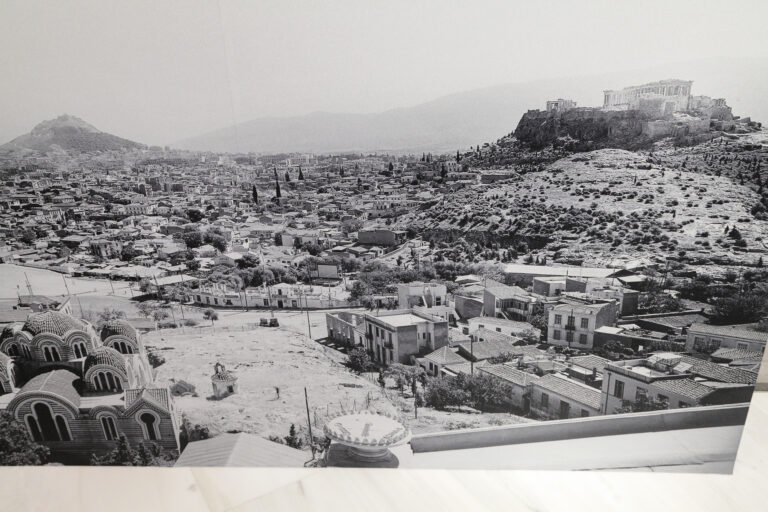
Once a thriving community from the mid-19th century until the early 20th century, Vrysaki stood directly over the ruins of the Ancient Greek Agora, in an area extending from the Stoa of Attalos to the Temple of Hephaestus.
Vrysaki was considered a microcosm of Athenian society of the time. Its residents included prominent Athenian families, merchants, workers and refugees from Asia Minor. Vrysaki’s narrow streets housed small workshops, glass and shoe makers, a gristmill, the kafeneia, and taverns. Many of Vrysaki’s buildings incorporated ancient stones into their construction, while ancient sculptures and Byzantine era icons adorned their walls.
While the decision to raze Vrysaki was seen by architects, historians and politicians of the time as necessary in order to showcase Greece’s glorious past, it also marked the loss of a living, breathing community. Starting from 1931, archaeological excavations uncovering the Ancient Greek Agora progressed and, over time, nearly 600 buildings were demolished from 348 plots of land.
Through archival materials, photographs, and documents, the exhibition allows visitors to experience this Athenian neighborhood now lost to time.
American School of Classical Studies at Athens
I. Makriyannis Wing, 61 Sweden Street, 106 76 Kolonaki
Exhibition Duration: June 18 – August 3 and September 4 – November 17, 2024
Opening Hours:
Wednesday, Friday, Saturday, Sunday: 12:00 PM – 6:00 PM
Thursday: 12:00 PM – 8:00 PM
Admission: Free
More information here.