
On September 20, 1922, a single American named Asa Jennings set in motion a series of astonishing events that would lead to one of the most dramatic rescues in history.
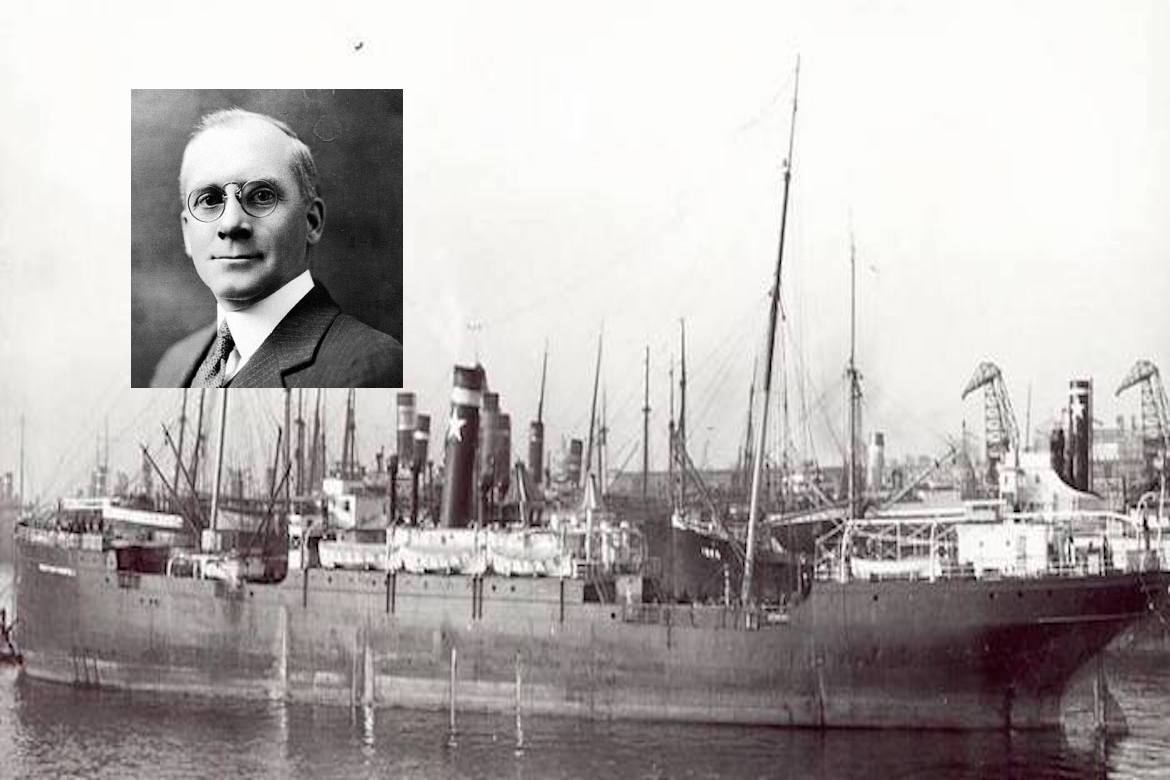
A Methodist minister doing missionary work in Smyrna, Jennings boarded an Italian freighter named the Constantinopli, which had once carried immigrants from Italy to the United States but now was employed in the Mediterranean cargo and passenger trade.
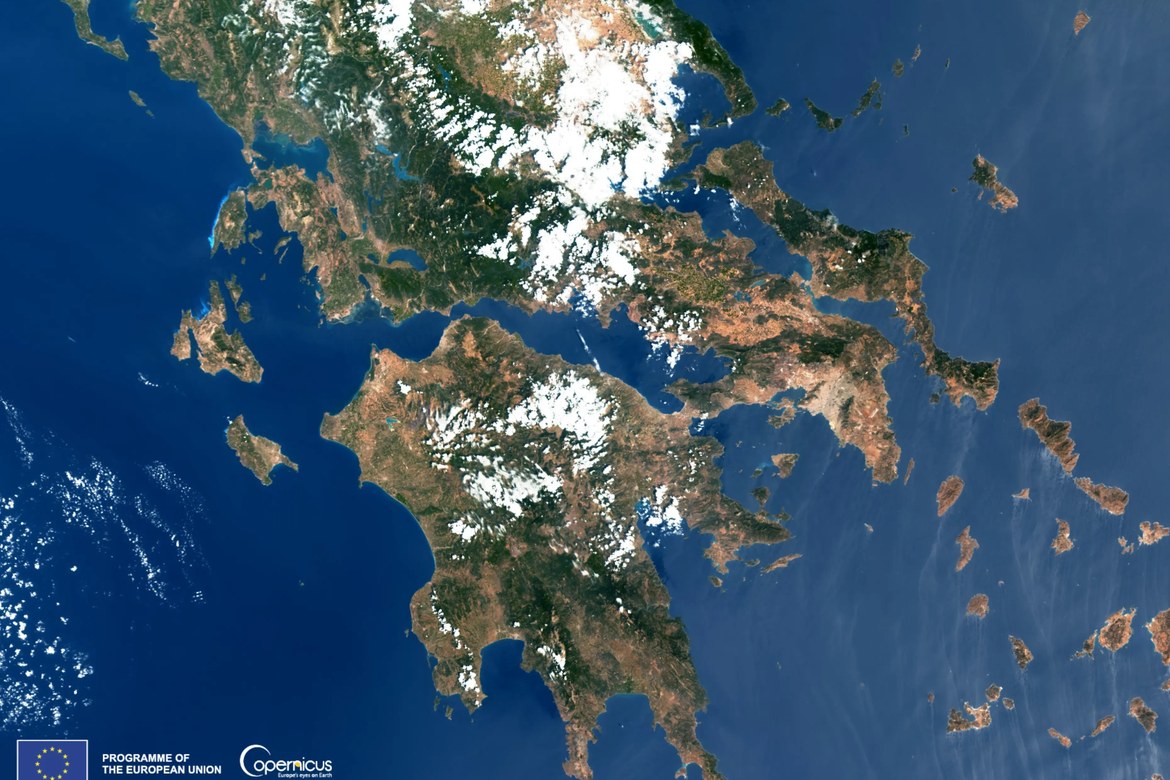
The minister not only bribed the ship’s captain to remove 2,000 refugees from the city, but also he traveled with them in the middle of the night to the island of Lesvos, thus starting one of the largest humanitarian evacuations in history.
His actions came only days following the beginning of the disaster on September 13, when Turkish nationalist forces lit fires in Smyrna’s Armenian quarter that eventually engulfed most of the city.
Smyrna quickly became a hell of heat and Turkish brutality for the helpless people gathered there. Nearly all of the refugees were pushed to a two-mile long narrow band of pavement of the city’s Quay between the fire and the sea.
But Jennings, who had set up a First-Aid station for pregnant women in a house on the waterfront that had been abandoned by its wealthy ethnic Greek owner, went into action. He later said that he had felt the hand of God on his shoulder.
The complete story of Jennings and how he single-handedly saved thousands of Greek refugees is told masterfully in “The Great Fire”, published in 2015 by Boston University Professor Lou Ureneck.