
I’ve watched the news from Vorizia these past days with a heavy heart — the same heart that swells with pride every time I see Crete mentioned for its courage, its hospitality, its defiance. But this? This is not pride. It’s poison.
Two people are dead. Families shattered. Children fatherless. A whole community trembling— again— under the old ghost of the vendetta. The spark this time was said to be a feud over land ownership, and livestock. But whether it’s goats or boundaries or bruised egos, the truth is simpler: nothing on this island is worth the life of another human being.
Crete’s soil has absorbed enough blood for a thousand lifetimes— but once, that blood was shed for freedom.
From Daskalogiannis and the early rebellions against Ottoman rule in the 1700s, to the countless uprisings that followed throughout the Cretan countryside.
From villagers who defied death and took up arms against the invading paratroopers during the Second World War or those who hid partisans in mountain caves during the Nazi occupation, to farmers who faced firing squads for refusing to bow— resistance rooted in pride has always been our birthright.
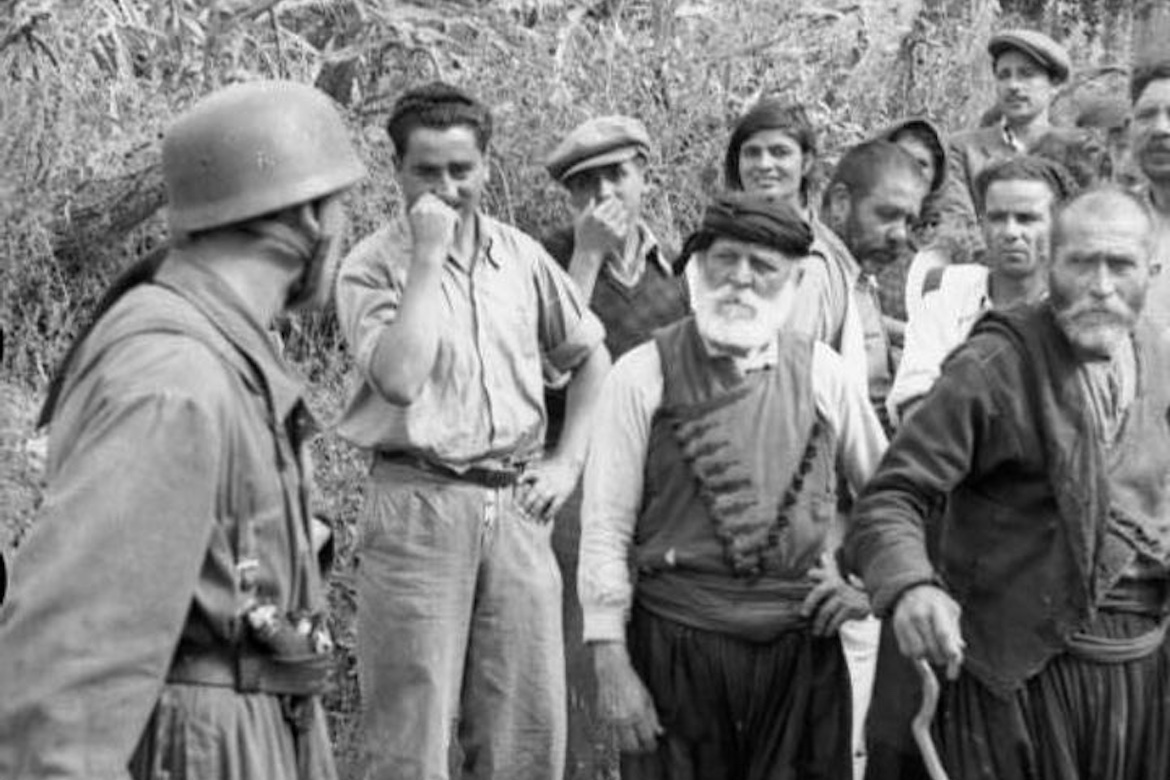
During the Nazi occupation, villages like Kontomari paid the ultimate price for that courage. In one haunting photograph from the German archives, an old Cretan man stands face-to-face with a German soldier moments before execution — unarmed, unflinching.
That look, carved in defiance, is what Cretan pride used to mean. Not the finger on a trigger pointed at your neighbor, but the quiet refusal to kneel before tyranny.
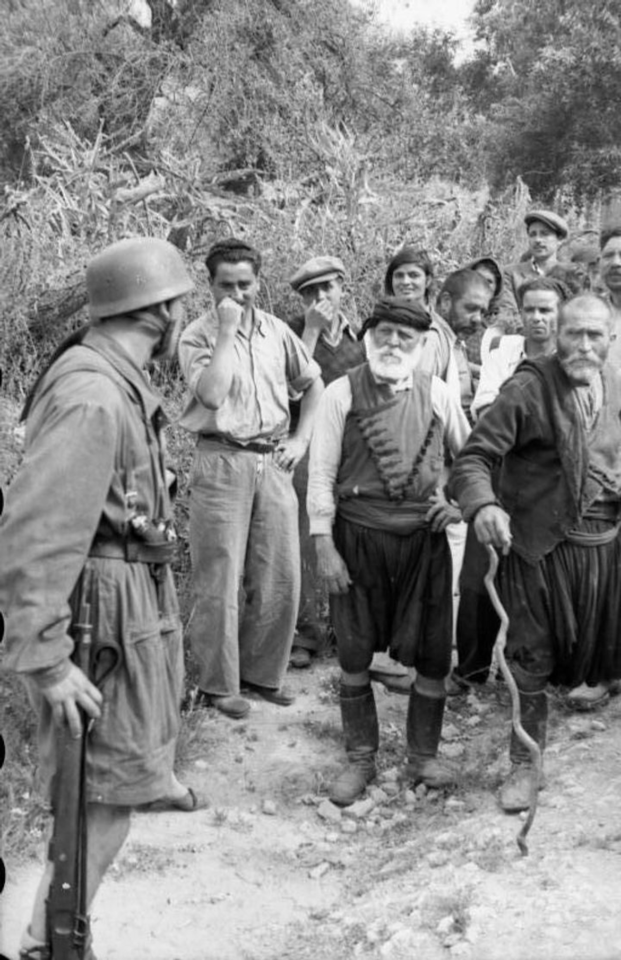
Those who fought then didn’t spill blood for personal pride’s sake. They did it for justice, for dignity, for freedom, for their community.
What’s happening in parts of Crete today is a tragedy dressed as tradition. This hyper-machismo, this twisted sense of honor and entitlement — it’s a virus. It hides in villages, in city squares, in jokes about “real men” and “family respect.” It’s not courage. It’s cowardice with a gun.
My parents taught me Cretan pride meant something different: standing tall against fascism, protecting your neighbor, feeding a stranger. Not this senseless cycle of violence that leaves widows and orphans in its wake.
Crete deserves better. Its people do too. Pride should build, not bury. And if we can’t tell the difference anymore, then it’s time we look hard in the mirror and ask what we’ve really inherited — and what we’re willing to pass on.