

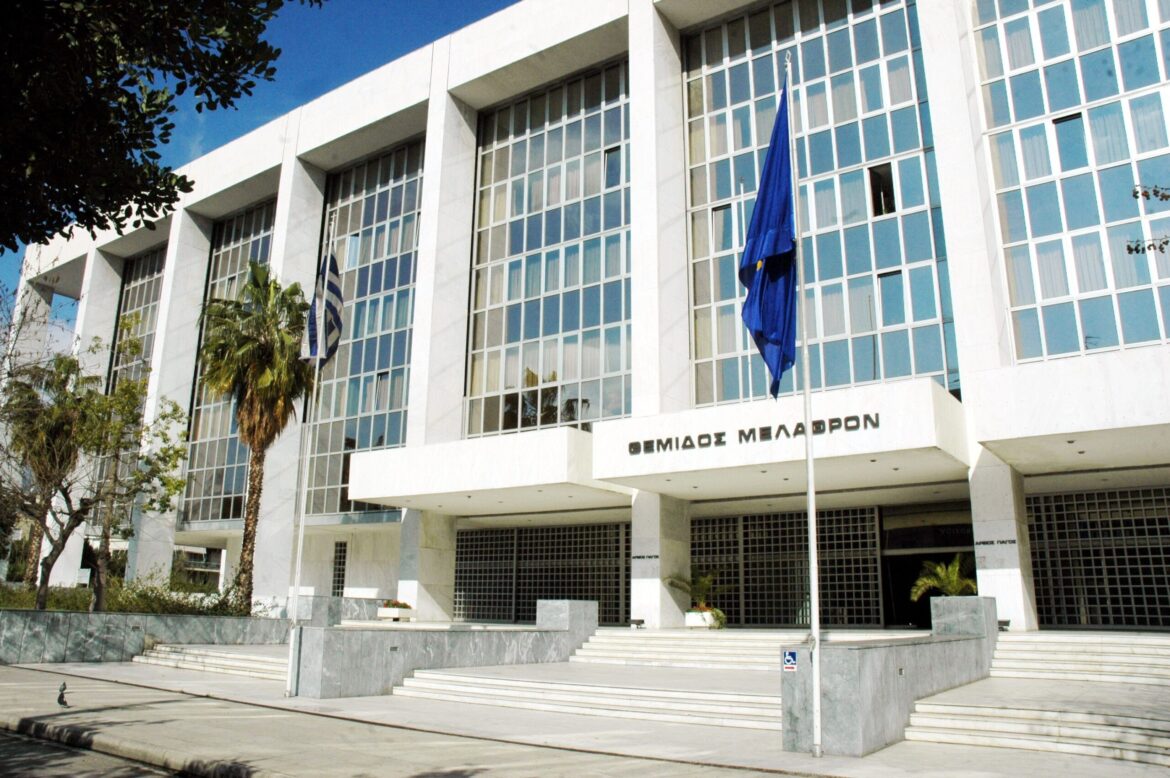
The 2026 EU Justice Scoreboard—an annual European Commission report assessing the efficiency, quality, independence, accessibility, resources, and digitalization of EU justice systems—has brought the Greek justice system’s Achilles heel into focus.
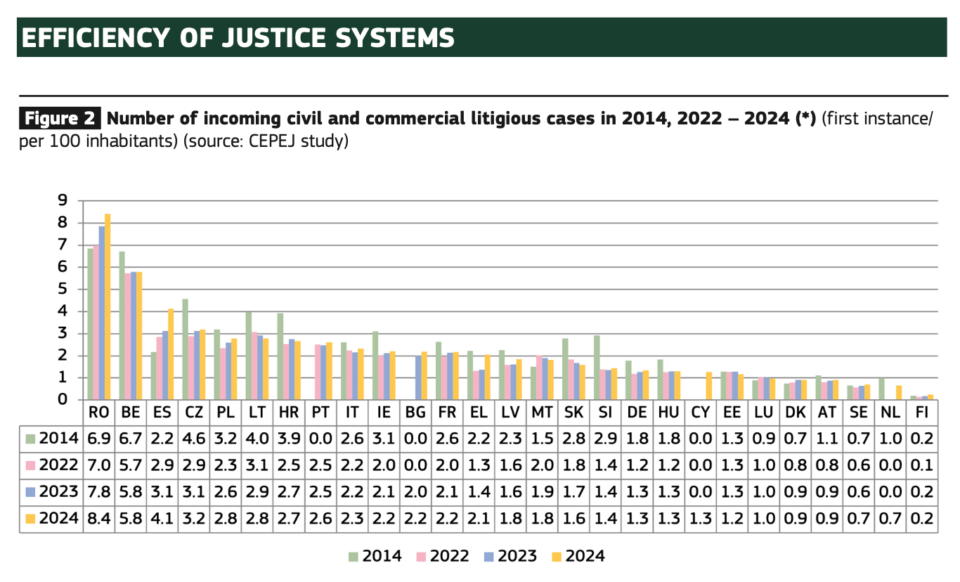
Source: The 2026 EU Justice Scorecard
Although Greece experiences a relatively normal volume of incoming civil and commercial litigious cases (2.1 per 100 people vs 1.2 per 100 people in the EU) its judicial system is burdened by severe delays.
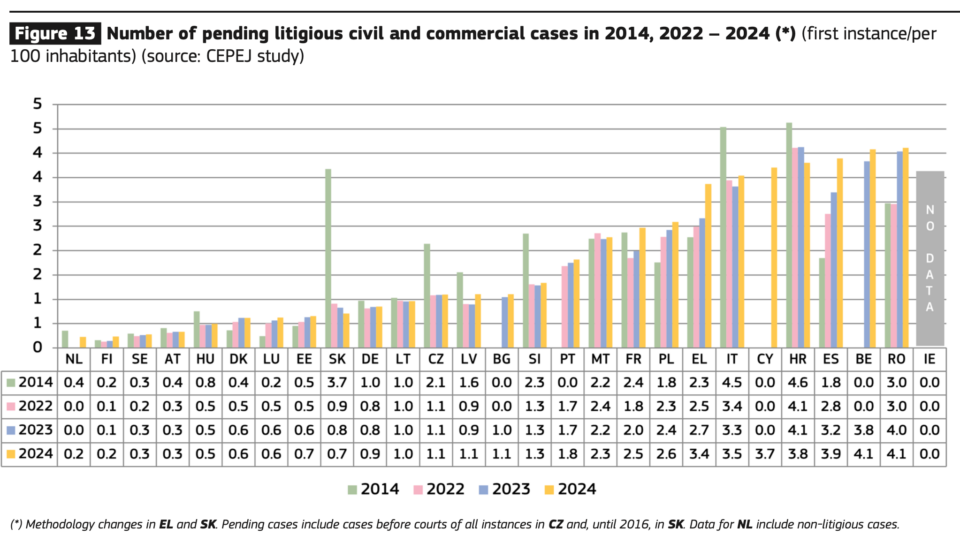
Source: The 2026 EU Justice Scorecard
A closer examination reveals that, because of these delays, the average number of pending litigious civil and commercial cases is approximately 3.4 per 100 people—five times higher than the EU average of 0.7.
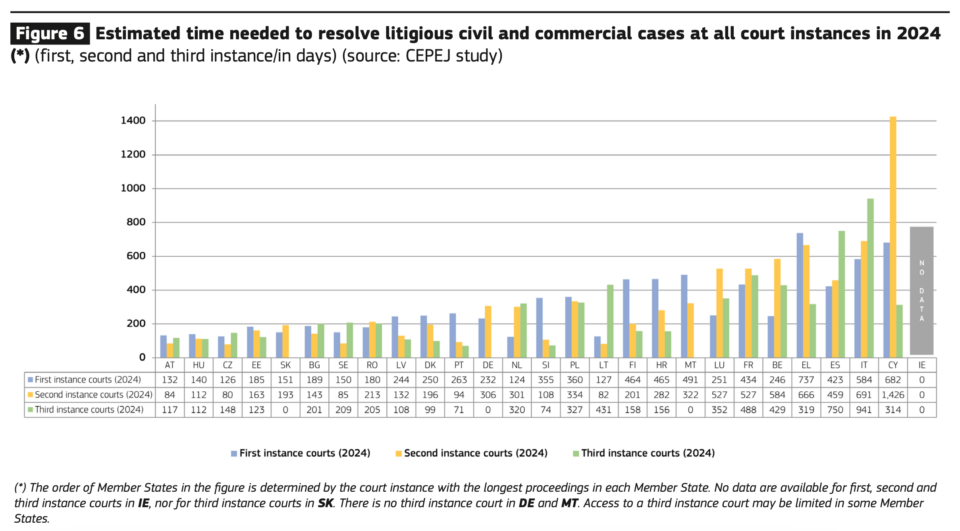
Source: The 2026 EU Justice Scorecard
In 2024, resolving a litigious civil and commercial case at the first instance took approximately 737 days, 666 days in the second instance and 319 days in the third instance.
Source: The 2026 EU Justice Scorecard
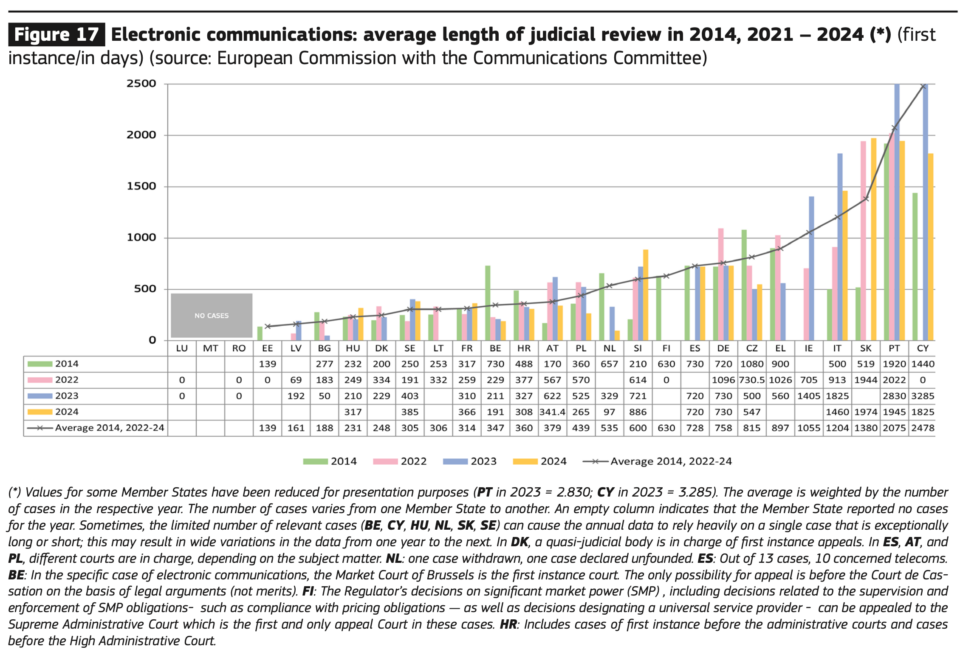
The report also cited delays in specific court case categories. For instance, for the years for 2014 and 2021-2024, the average length for judicial review of electronic communication cases was 897 days.
Source: The 2026 EU Justice Scorecard
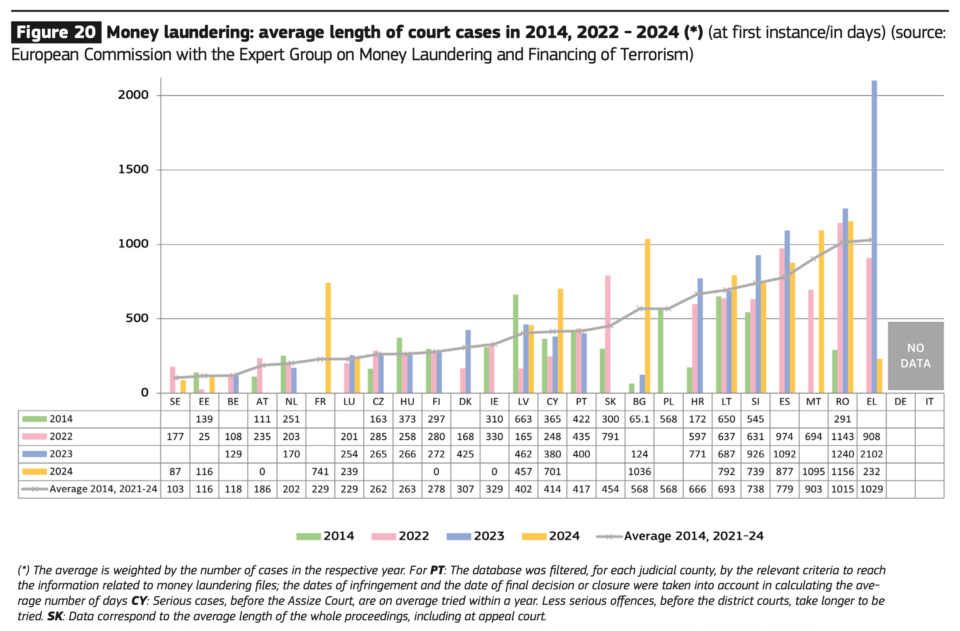
On average, first-instance money laundering cases took an average of 1,029 days for judicial review, the highest in the EU.
Source: The 2026 EU Justice Scorecard
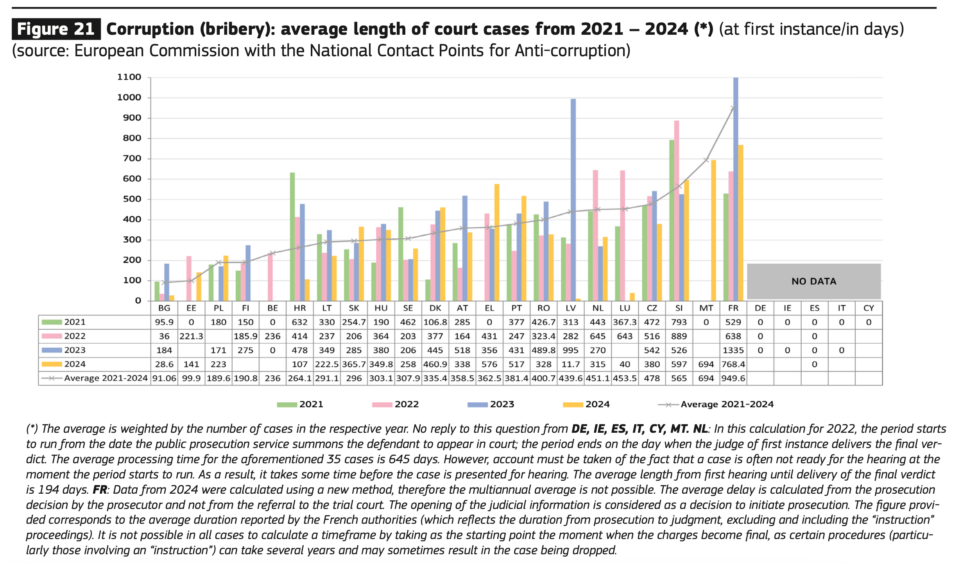
Corruption cases also took an average about 363 days for judicial review.
Source: The 2026 EU Justice Scorecard
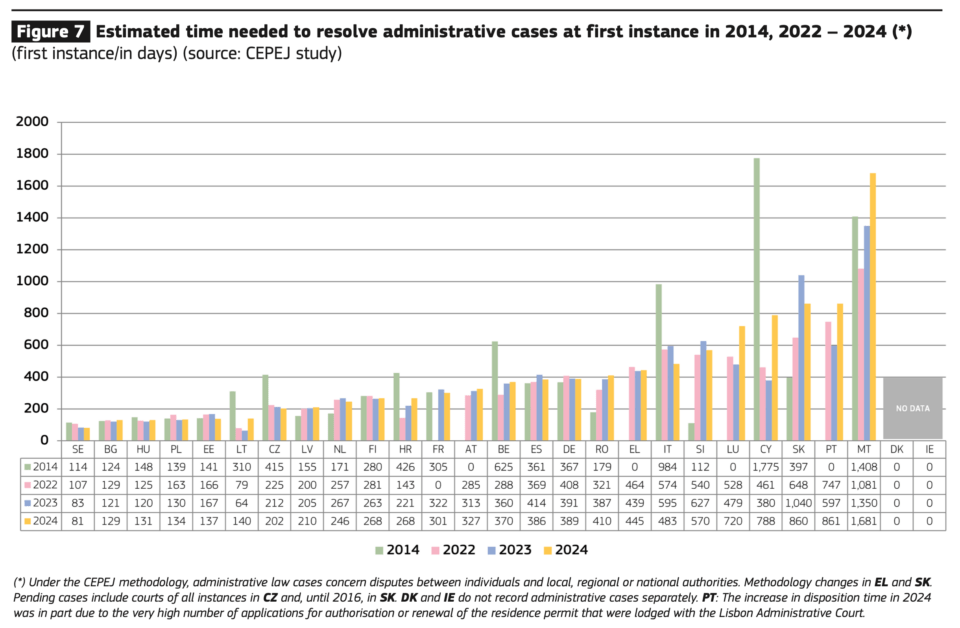
First-instance administrative cases in Greece took on average 445 days for judicial review.
The good news is that, according to the European Commission’s country-specific recommendations published in 2025, Greece has demonstrated tangible progress in enhancing the efficacy of its justice system, notably by redrawing the judicial map for civil and criminal jurisdictions and transitioning toward digital judicial processes.
Nevertheless, the duration of proceedings across civil, penal, and administrative courts remains among the most protracted in the EU. This has caused a severe backlog of cases that negatively affects Greece’s economic development, business formation, and capital investment.
To address this, the Commission recommended streamlining litigation to ensure greater procedural efficiency from courts of first instance through the appellate level, as well as strengthening enforcement mechanisms for judicial decisions.
The Commission also emphasized the necessity of a legislative framework that incentivizes alternative dispute resolution mechanisms, thus preventing cases from entering the Greek judicial system and further exacerbating the backlog.
Finally, the recommendations called for revising the foundational codes governing the organization of courts and judges, and specifically accelerating the delayed adjudication of public procurement disputes.