

Editor’s note (August 2026): Most of the research discussed below comes from cell or animal studies. It does not establish that Greek mountain tea prevents chronic disease, treats infections, shortens illness or clinically “boosts” immunity in people.
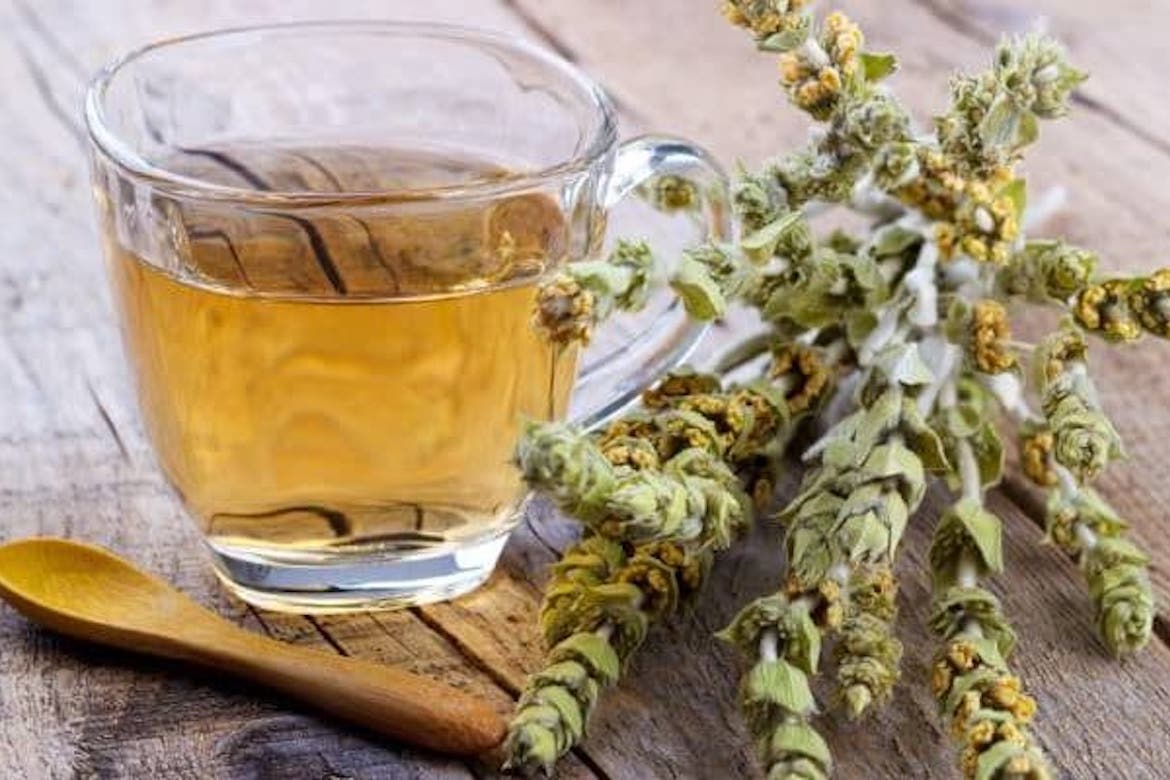
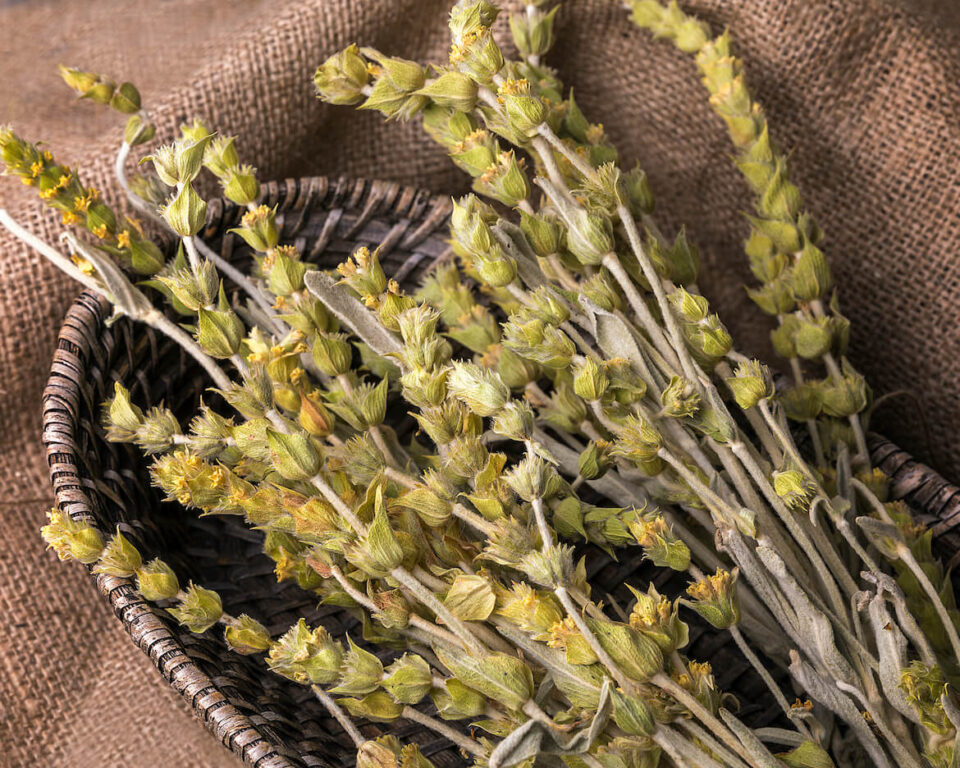
Greek mountain tea contains compounds being studied for antioxidant, anti-inflammatory and other biological effects. The Pappas Post covered its many other health benefits in a previous article.
This popular tea has been enjoyed by Greeks for thousands of years as a tasty and healthy drink. Even Hippocrates often drank this tea as an herbal remedy and recommended it to his patients!
What preliminary research has examined
Let’s discuss how this tea can support your immunity — in a natural way.
Greek mountain tea reduces oxidative stress
It is rich in healthy antioxidants. As our bodies age, we experience oxidative stress. Antioxidants, like those found in this tea, can help fight off this damage.
Green tea is typically the tea noted for this antioxidant effect, but a comparative study shows that Greek mountain tea has similar effects. Although lower in antioxidants compared to green tea, Greek mountain tea can also help reduce oxidative stress! [1]
Specifically, a study in mice shows that drinking it helps enhance the antioxidant defense of mice brain in just 6 weeks. This was in comparison to a group of mice that received water instead of tea. [2]
Greek mountain tea combats chronic disease
The antioxidants found in Greek mountain tea can also reduce inflammation.
Many diseases are caused in part by inflammation, like cancer, diabetes, arthritis, Alzheimer’s disease, and more.
By drinking more of it, you’ll be able to keep inflammation down and lower the risk of these diseases.
Greek mountain tea fights off colds, allergies & respiratory issues
The anti-inflammatory properties of these antioxidants can also help ward off the common cold or other ailments. Or, if you’re sick, drinking this tea may help you recover more quickly from illness.
Additionally, extracts from the tea also fought off several strains of harmful bacteria. [3]
We need more studies to show what other microbes this tea is helpful for, but it’s a start.
With COVID, the common cold, and the flu, you’ll want this tea on your side.
Greek mountain tea relieves mild pain
If you’re having mild body pain and aches, it may serve as a natural pain reliever.
Some of the extracts found in Greek mountain tea have pain-relieving properties that helped reduce ear edema and associated pain in mice. [3] The ancient Greeks used it as an effective painkiller, too.
How to enjoy Greek mountain tea
Greek mountain tea can be enjoyed hot or cold, but research has not established an optimal daily amount for immune effects. You can either place loose tea leaves in a tea infuser or add tea bags in boiling water, steep and then enjoy!
It’s caffeine-free, so you can drink it any time of the day, even in the evenings. You can also sweeten as desired with honey or lemon for the best taste.
If you are taking any medications or have health conditions, be sure to check with your doctor before drinking it.
The bottom line
Greek mountain tea is a tea that has been around for several millennia. It reduces oxidative stress, lowers the risk for chronic diseases, fights off illnesses, and relieves mild pain.
Greek mountain tea is a traditional caffeine-free beverage, but it should not be presented as a proven immune treatment or disease-prevention measure.
References
- Danesi F, Saha S, Kroon PA, Glibetić M, Konić-Ristić A, D’Antuono LF, Bordoni A. Bioactive-rich Sideritis scardica tea (mountain tea) is as potent as Camellia sinensis tea at inducing cellular antioxidant defences and preventing oxidative stress. J Sci Food Agric. 2013 Nov;93(14):3558-64. doi: 10.1002/jsfa.6214. Epub 2013 Jun 7.
- Linardaki ZI, Vasilopoulou CG, Constantinou C, Iatrou G, Lamari FN, Margarity M. Differential antioxidant effects of consuming tea from Sideritis clandestina subsp. peloponnesiaca on cerebral regions of adult mice. J Med Food. 2011 Sep;14(9):1060-4. doi: 10.1089/jmf.2010.0187. Epub 2011 Apr 11.
- Hernández-Pérez M, Sánchez-Mateo CC, Montalbetti-Moreno Y, Rabanal RM. Studies on the analgesic and anti-inflammatory effects of Sideritis candicans Ait. var. eriocephala Webb aerial part. J Ethnopharmacol. 2004 Aug;93(2-3):279-84.
About the author
Chrissy Arsenault, MBA, RDN, LD, is a registered dietitian nutritionist and licensed dietitian based in Indianapolis. She obtained her bachelor of science in nutritional science at Cornell University and her MBA at Indiana University Kelley School of Business. She is the founder and CEO of a nutrition communications firm called Pink Pamplemousse LLC, where she creates engaging nutrition and wellness content for clients. She has also coached clients on various health conditions including heart disease, obesity, digestive issues and diabetes over the last seven years. Visit Chrissy’s website.