
Mr. Nektarios Markogiannis is a seasoned, award-winning photographer with over a decade of experience as a UN field photographer, extensively documenting United Nations Peacekeeping missions in conflict and post-conflict environments. Born in Greece, he transitioned from careers in investment banking and academia to pursue his passion for photography full-time. He has taught at Leica Academy in Athens and collaborated with the Fotoğrafevi Gallery in Istanbul. His work has been exhibited in cities such as Los Angeles, London, Barcelona, Tampa, New York, Nottingham, and Braga, and featured in numerous publications.
Mr. Markogiannis studied Economics at the University of Essex, Photojournalism and Documentary Photography at the London College of Communication, and History of Photography at the University of St. Andrews. He is currently working with the UN Peacekeeping Operations in the Republic of South Sudan.
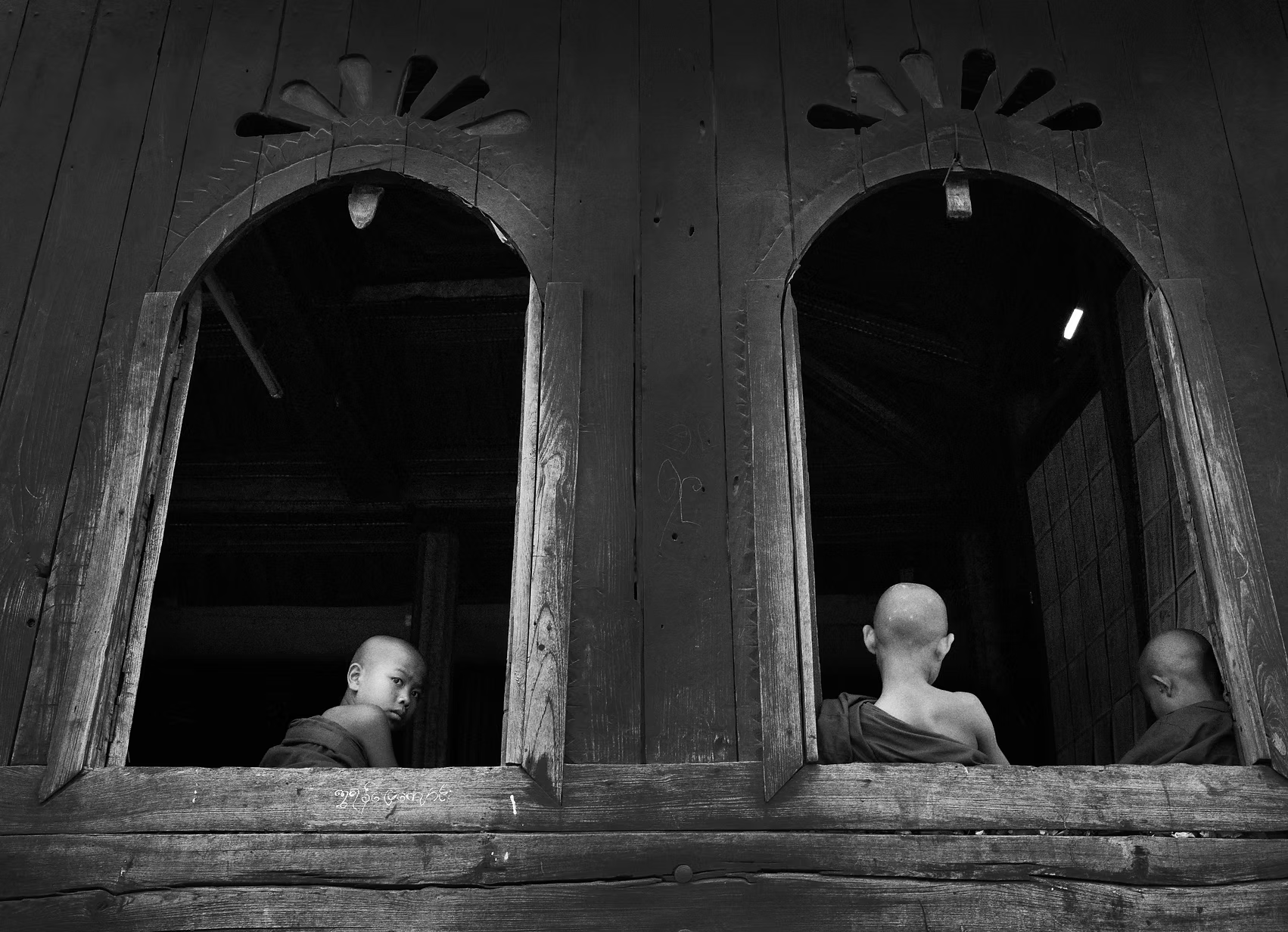
Myanmar / Photo Credit: Nerris Markogiannis
What do you enjoy most about your work with the UN?
Almost everything. I love working for a big international organization and creating work that could potentially make a difference. I get to travel to remote places—places that are not holiday destinations—and though what I see can be upsetting, I believe it changes me as a person. There is a strong impact on me; I feel I’m not the same after having witnessed people’s struggles. Being paid to do what I love and having the means to develop personal projects at the same time, is a wonderful privilege.
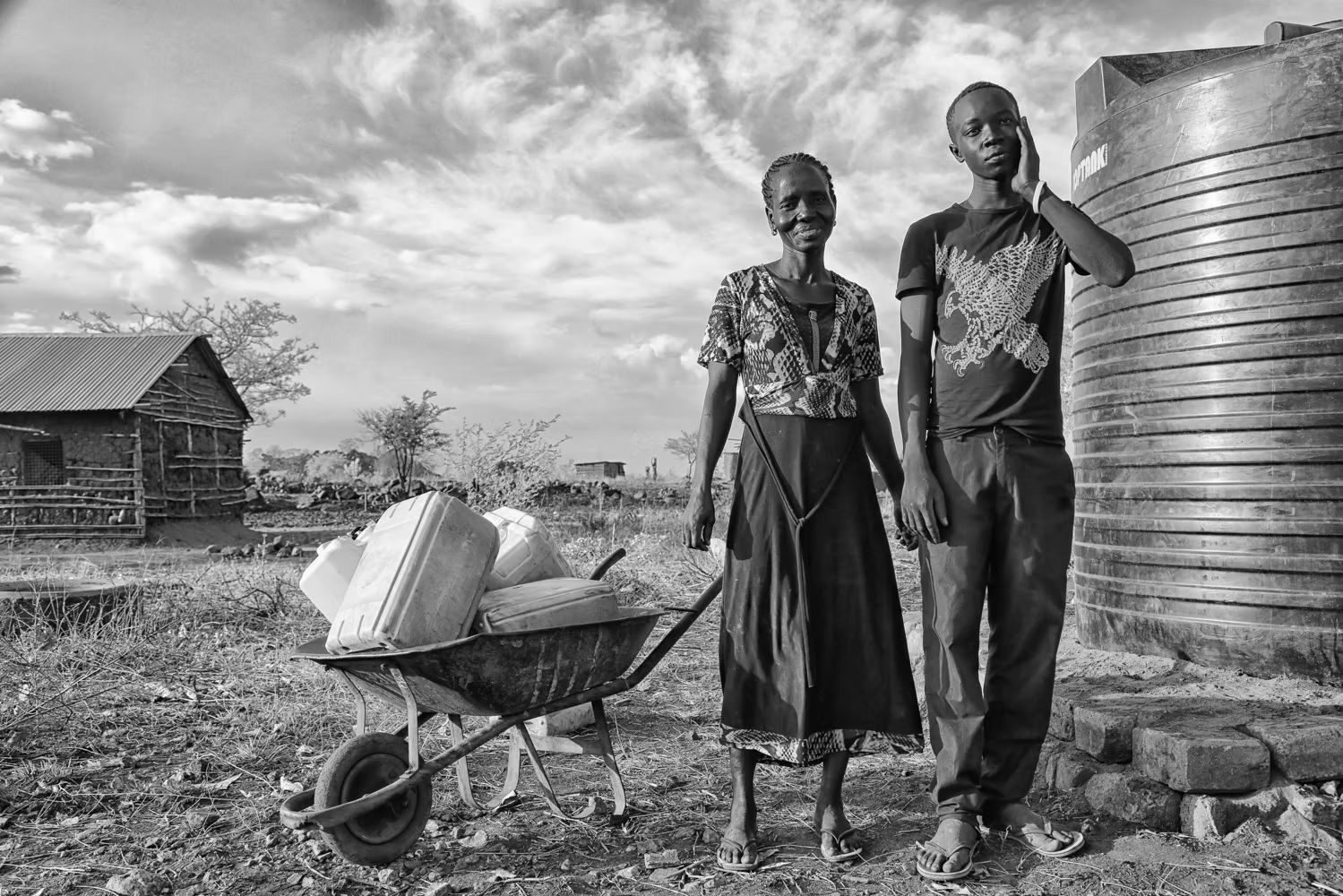
South Sudan / Photo Credit: Nerris Markogiannis
Working primarily in conflict and post-conflict areas, how do you ensure that dignity and consent are respected especially when photographing vulnerable communities?
As a photographer, I photograph with my whole being. One should not forget that in war or conflict zones, social norms don’t function in the same way they do under normal circumstances. Yet people sense the photographer’s intentions. If they feel you’re treating them with respect, they open up. I try to avoid invading someone’s privacy in a harmful way. I’m also mindful of the risk of sympathizing too much with one side, which can lead to biased work. So my objective is to remain respectful, keep a clear mind, and represent people truthfully.
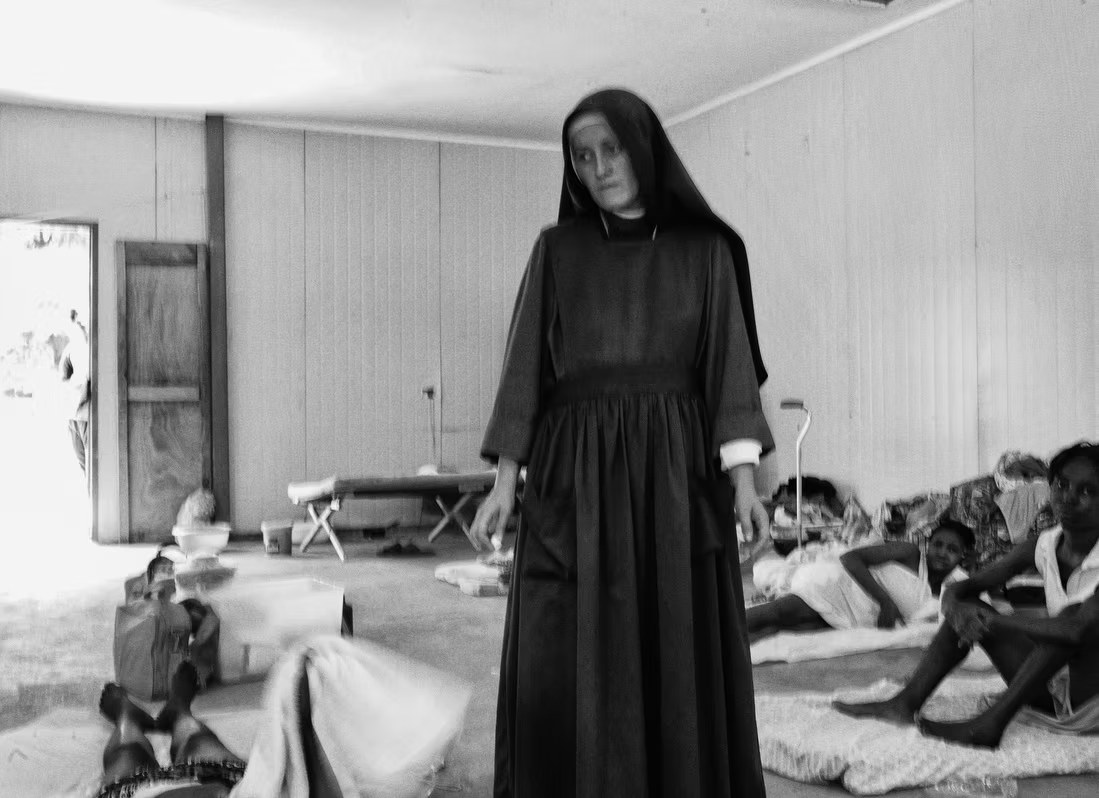
Haiti / Photo Credit: Nerris Markogiannis
What was your most memorable experience working with the UN? Is there a mission that stood out the most?
Each mission reveals something different about human resilience and the complexity of local realities. For instance, in Darfur I quickly saw how tough the adaptation process can be, both physically and emotionally. In Kosovo, I discovered my own perceptions about Albanians were incomplete—when I spent real time there, I found a closeness in mentality that challenged the stereotypes I grew up with. I always try to stay for months, sometimes years, rather than treating any place like a brief stopover. Wherever I go—whether post-conflict or on the brink of recovery—people’s resourcefulness and willingness to share their stories continues to amaze me. That has left the deepest impression: observing how life endures despite unimaginable circumstances and feeling privileged to document it for the world to see.
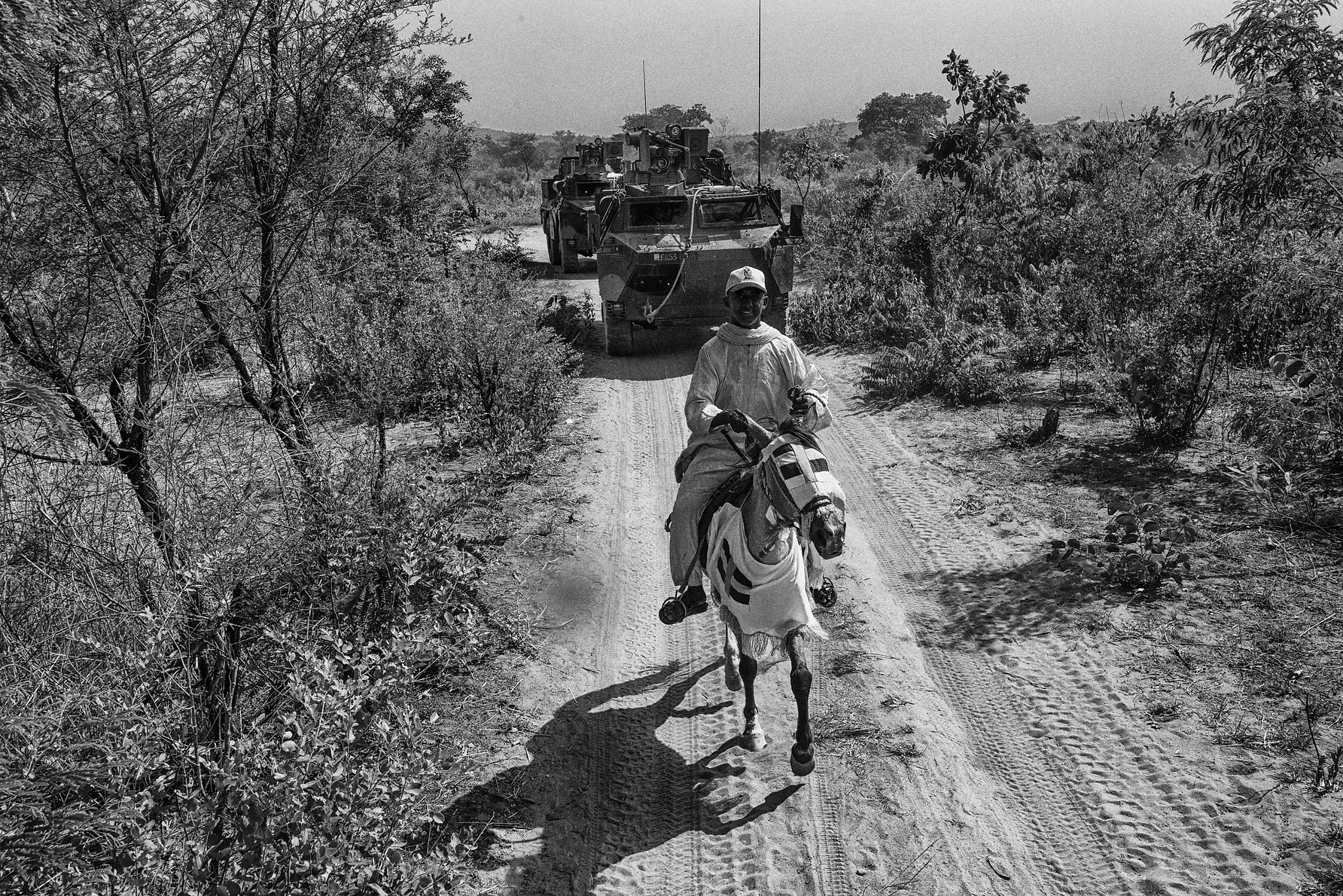
Central African Republic / Photo Credit: Nerris Markogiannis
Do you have any advice for emerging photographers wanting to follow a similar path?
Some people say you don’t need to study. I disagree; we need to learn our trade but also understand the world around us. Look at as many photographic works as you can and be careful with what you see online. Photography might seem the easiest of the arts, but I find it one of the hardest. To take a mundane everyday moment and transform it into something meaningful is challenging. Success doesn’t come instantly. It takes time and disappointment, so work hard, and one day you will hopefully be rewarded.
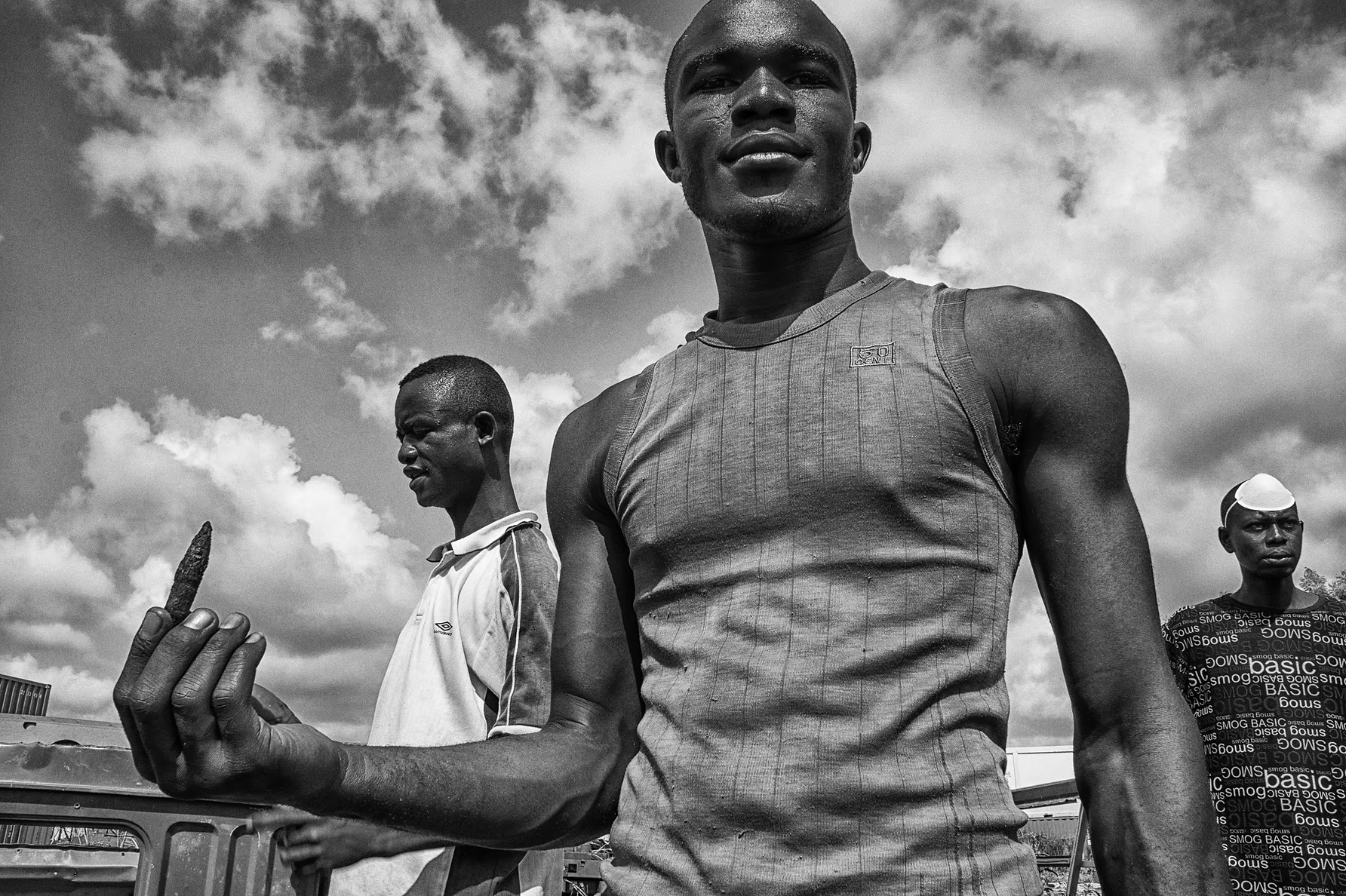
Central African Republic / Photo Credit: Nerris Markogiannis
You mainly work in black and white photography, can you tell us a bit more about that and why it appeals to you?
I consider myself a black and white photographer. I started using it out of necessity—I used to develop my rolls of film myself, which was easier and more cost-effective at the time. But after so many years, I’ve realized how much I value the abstraction that black and white can bring. Colour, in many cases, doesn’t add anything crucial to the story; it can be an extra layer of complexity that distracts. In removing colour, you’re forced to engage with the essence of the scene: composition, emotion, and the interplay of light and shadow. That’s how I try to reveal the humanity in front of my lens without the noise of colour. It’s not that I dislike colour; I just find that this form of visual expression allows me to focus on what really matters in an image.
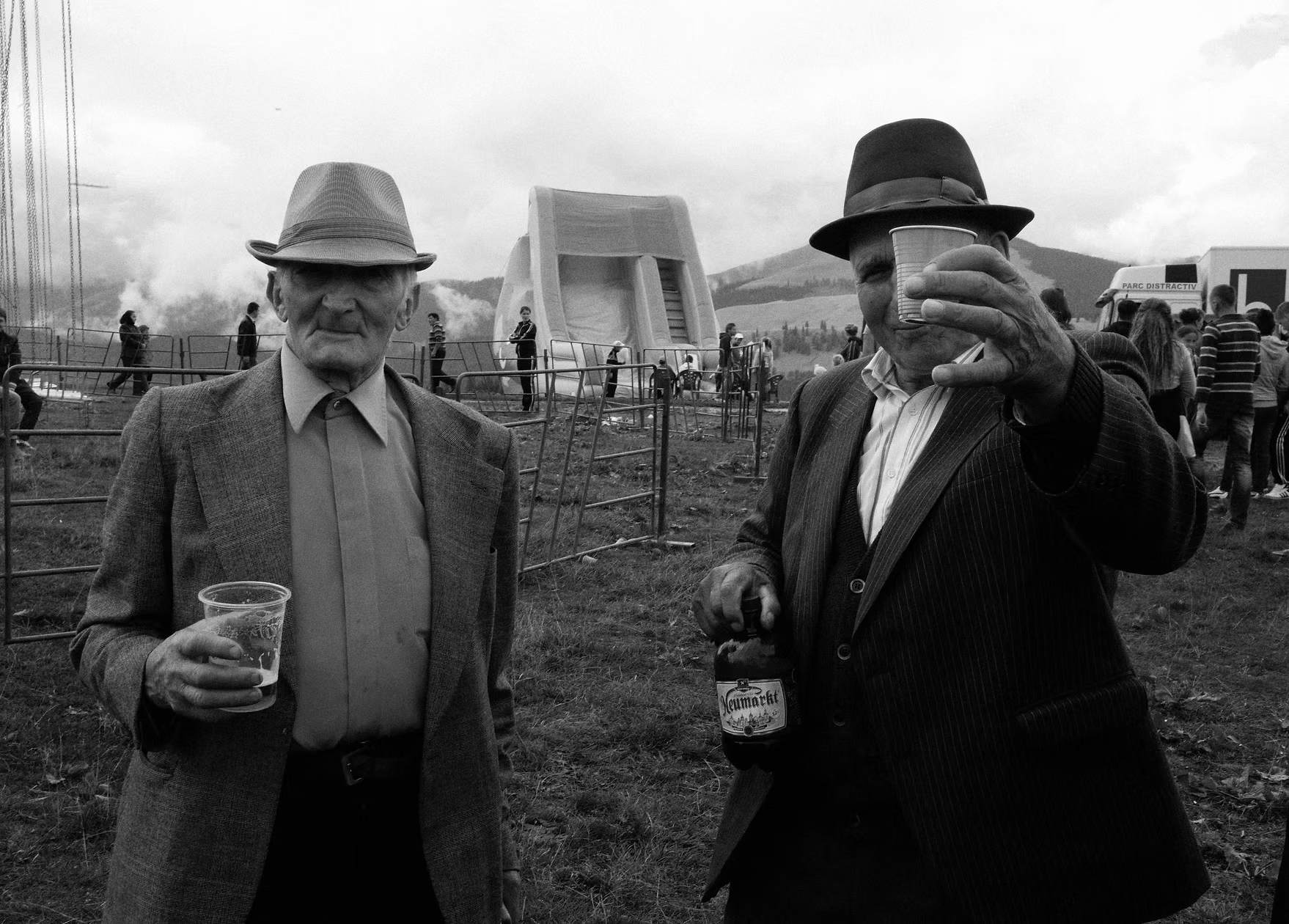
Black Sea / Photo Credit: Nerris Markogiannis
What are you working on right now that you are excited about?
In my private capacity I am working mostly on long-term projects that are not time critical. For example, since 2010, I have been working on a project related to religions. It is not necessarily about religious practices, but about the way people see and feel religion. I have photographed in places like Japan, Myanmar, the Sudan, Turkey, Kosovo, Iraq, Jordan, Greece, Italy, Korea, Thailand, the Central African Republic, Haiti, Israel, Romania, Ukraine, among others, but there are so many other places I would like to travel to, before I consider the project complete. I don’t know how long it will take me to complete this project, or if I can complete it, or if this is my excuse to travel more.
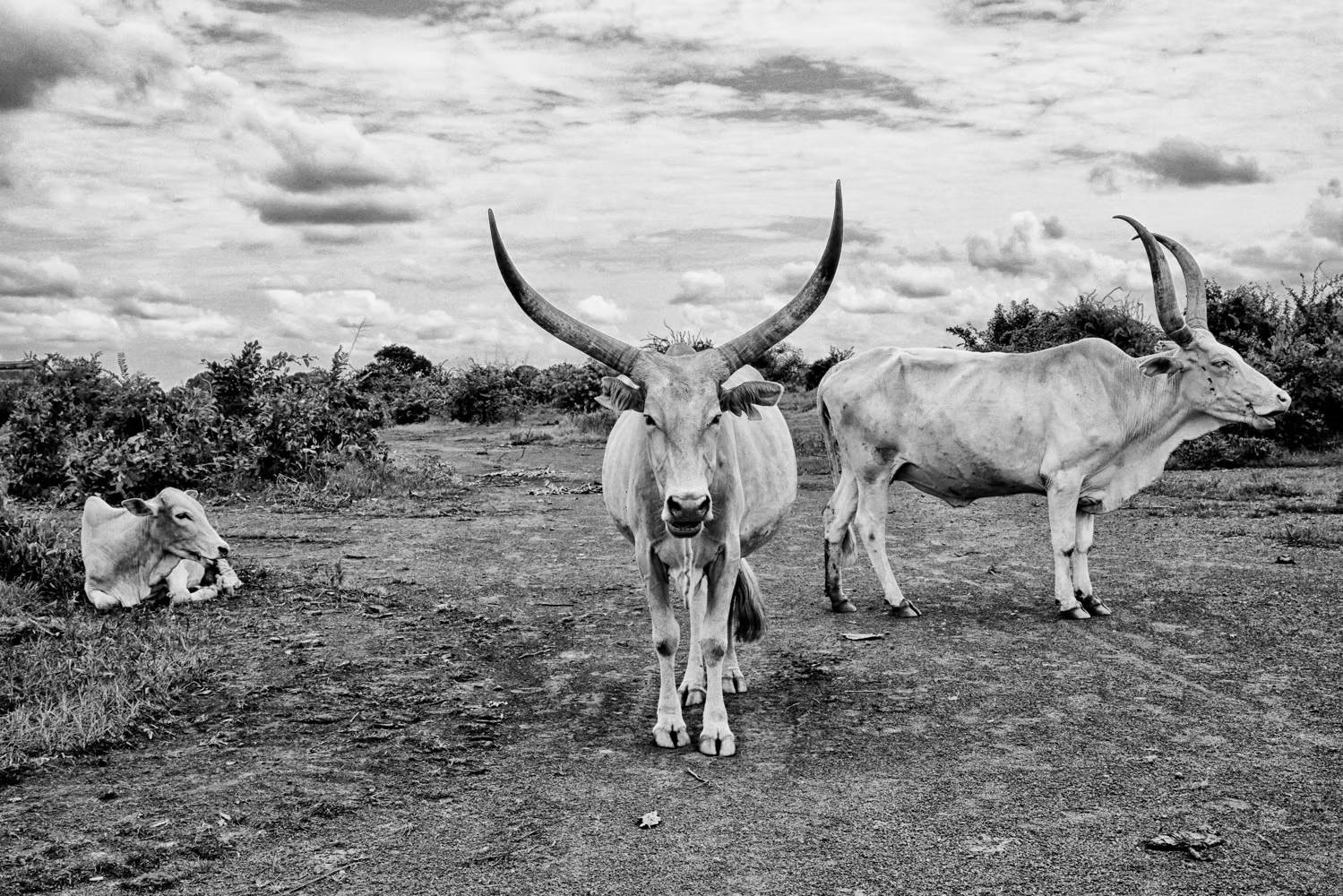
South Sudan / Photo Credit: Nerris Markogiannis
Cover Photo South Sudan / Photo Credit: Nerris Markogiannis