
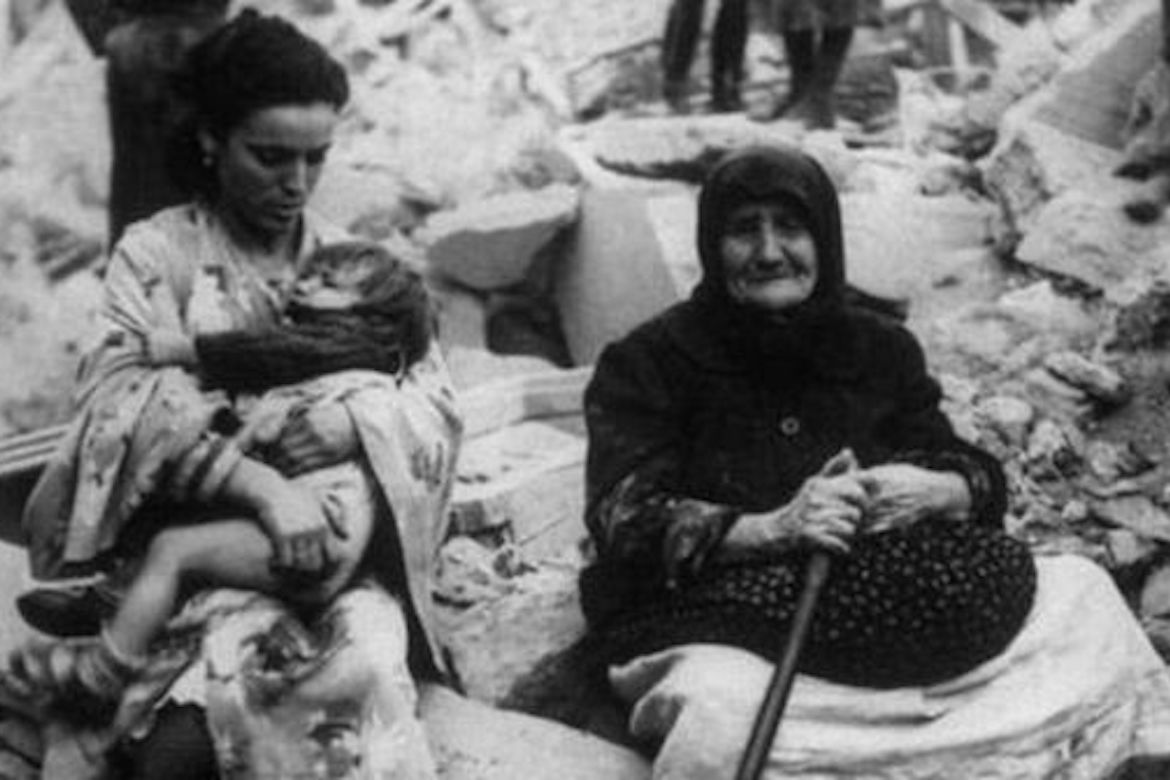
Today, one of the worst atrocities in all of World War II history is remembered, when more than 1,200 male residents of the town of Kalavryta and surrounding villages were gunned down on a hillside by Nazi German invaders.
In November 1943, the German 117th Jäger Division began an operation to root out Greek guerrilla fighters in the mountainous area surrounding Kalavryta. During the operation, 77 German soldiers were captured by Greek rebels and killed. The German command responded ferociously, ordering a harsh reprisal operation signed and ordered by Karl von Le Suire on December 10, 1943.
The operation began from the coastal area of Achaea in Northern Peloponnese as German troops marched toward Kalavryta, burning every village in their path and murdering civilians along the way.
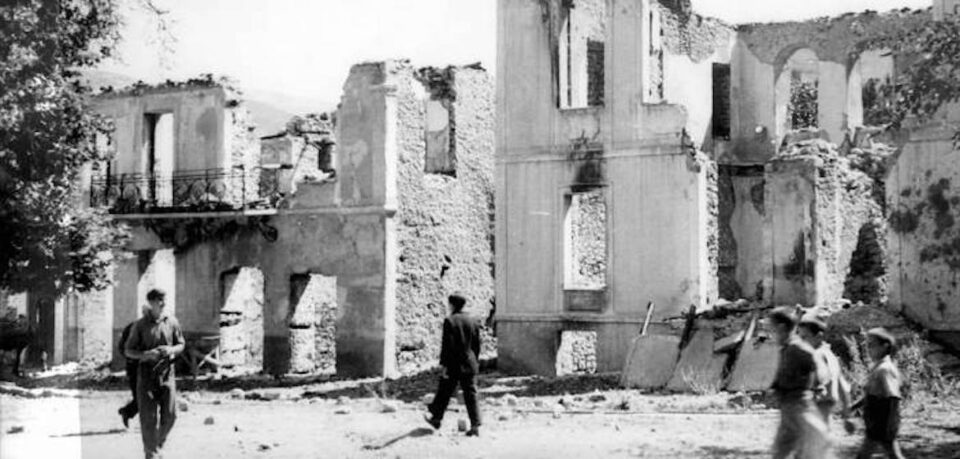
When they arrived in Kalavryta, they locked all women and children in the town’s school and ordered all male residents 12 years old and older to a hillside overlooking the town, where they were made to stand in a straight line as they were gunned down by machine gun.
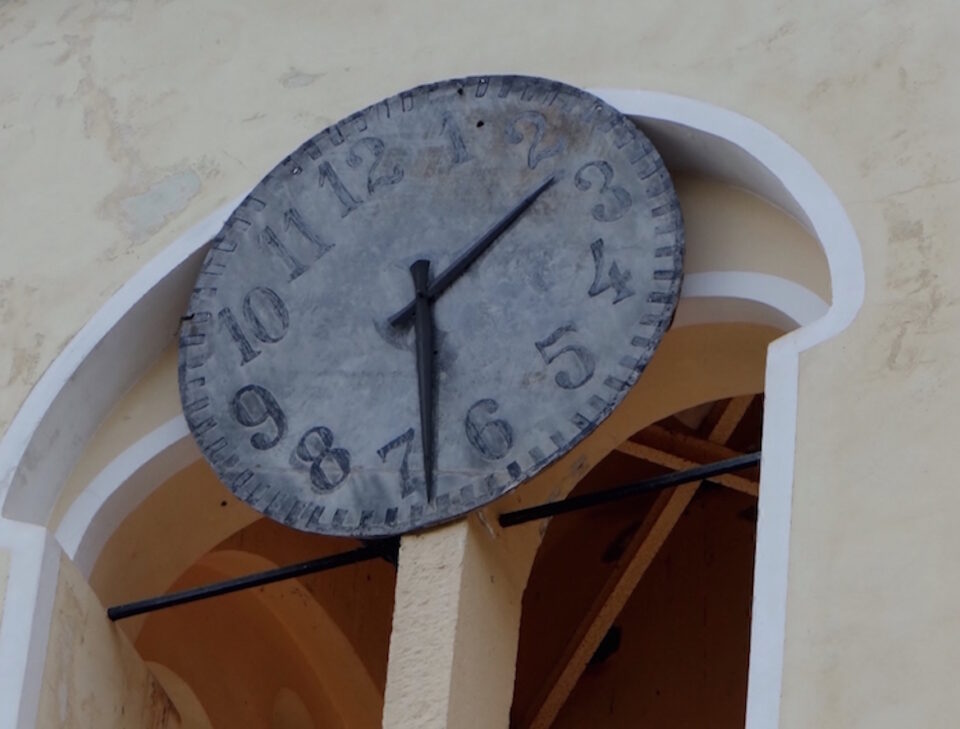
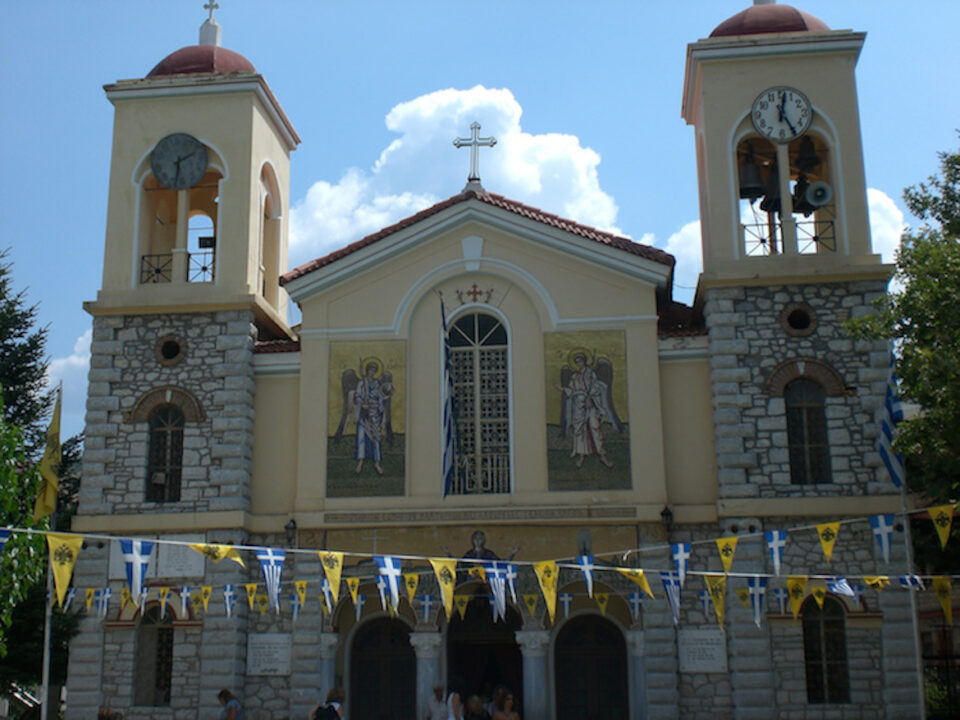
Almost 500 men and boys were murdered in this single incident, which began at 2:35pm on December 13th. Since that moment, the hands of the town’s main church have not moved — leaving an impression on visitors to recall the exact time the atrocity took place.
Following the mass murder of these innocent civilians, the Nazis went on a rampage, burning more than 1,000 houses and looting and burning every building in the town. The following day the Nazi troops burnt down the Monastery of Agia Lavra, a landmark of the Greek War of Independence.
The school where the women and children were assembled was set on on fire by the Nazis but they broke windows to try to escape. The Germans tried to beat them back inside, but ultimately allowed them out, according to the town museum. Other accounts speak of a sympathetic Nazi who unlocked the doors and let the prisoners out, where they scattered into the surrounding brush.
The German occupation of Greece was one of the most brutal in Europe, according to noted historian and author Mark Mazower, whose book “Inside Hitler’s Greece: The Experience of Occupation, 1941-1944” remains a main go-to book for Greek World War II history.
Numerous survivor-account books have been written about the Kalavryta Holocaust including Hitler’s Orphan: Demetri of Kalavryta by Marc Zirogiannis and Just Another Man: A Story of the Nazi Massacre of Kalavryta by Andy Varlow.
Continue reading: Find Hitler’s Orphan and more books about occupation, resistance and remembrance in The Pappas Post Bookshop’s Modern Greek History collection.
In 2007, then film student Alethea Avramis received a prestigious award for Best Honors Thesis entitled “Kalavryta, Greece, and December 13, 1943.”
Avramis, now an award-winning filmmaker, shot a short documentary film called “The Last Widow” featuring an interview with Efthymia Vaya, the last remaining widow survivor from the massacre. The young filmmaker’s project was an in-depth analysis of the tragic events leading up to the massacres.