
Leave it to the ingenuity of a destitute Greek immigrant to see an opportunity in the market and build– from the ground up — an iconic billion-dollar brand.
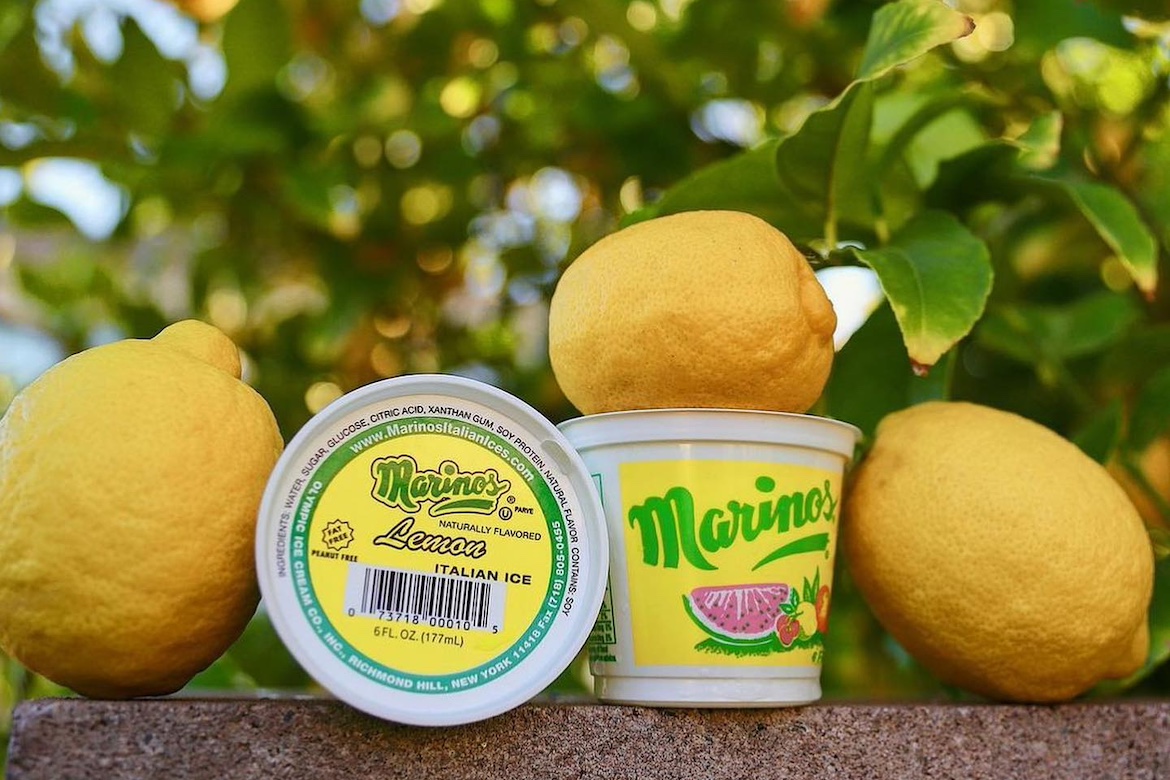
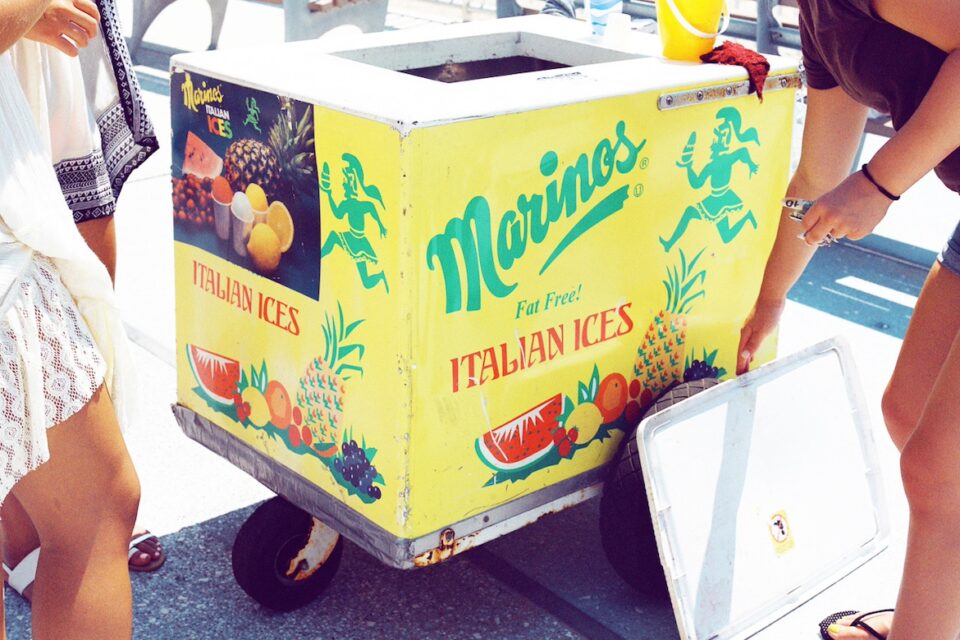
Marino’s Italian Ice is an iconic part of summer in New York City and the surrounding tri-state area. Despite the fact that it’s called “Italian” and has images of Venetian canals and Roman gladiators on its packaging, its roots are 100% Greek.
Marinos Vourderis came to New York from Greece with little money and no education in the early 1940s, but in the years that followed, he founded a company whose name became synonymous with New York City summers: Marinos Italian Ices.
Vourderis’ first venture in America was as a middle man for ice cream trucks — buying ice cream and ices in bulk from suppliers, and selling them to Good Humor and Mr. Softee trucks that sold ice cream through New York City’s five boros.
According to family history, he started having trouble receiving deliveries from his Italian ice suppliers, so he decided to start making the ices himself.
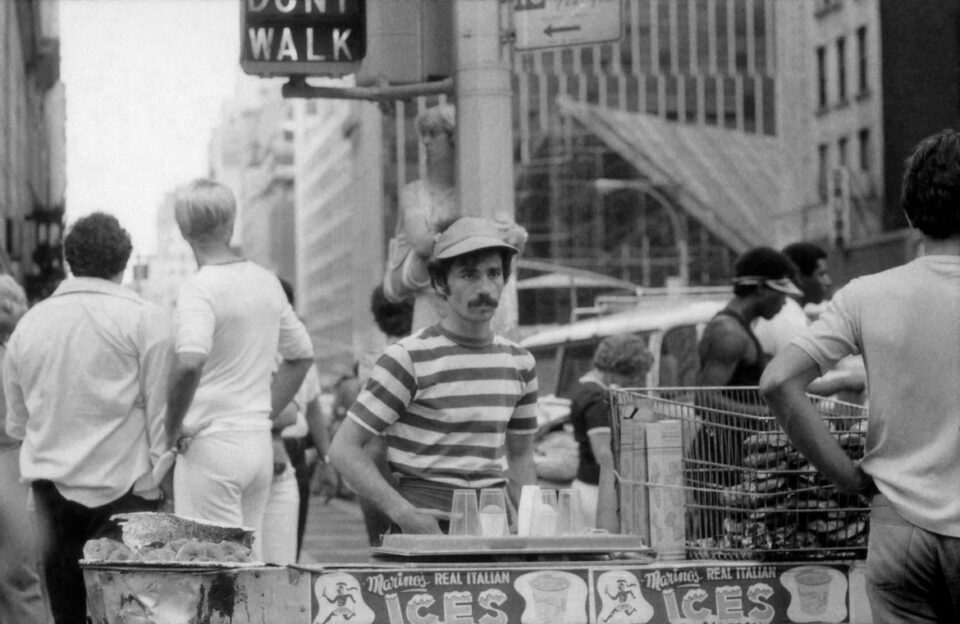
Originally, the business was only intended to supply ice cream truck drivers who came to him, but Marinos saw an opportunity to sell directly to the public when the 1964 World’s Fair came to Queens.
The rest, as they say, is history.
The company has since changed hands but its history remains part of the brand’s heritage. The company’s website prominently carries the story of its founder.
Success couldn’t have come to a better man, according to many accounts of this man’s life.
Vourderis was one of the first members of his family — which had 24 siblings — to immigrate to the United States from Greece.
“He took care of all his brothers and sisters,” Elias Rambros, Vourderis’ nephew, said. “He never left no one without nothing — helped them buy houses, helped them start businesses, the list goes on.”
Among the jobs he gave his siblings, cousins, and nieces and nephews were running the refrigeration company that kept his ices cold and supplying the paper cups to serve the ices in.
But Vourderis not only helped his family; he helped fellow Greek immigrants he barely knew get their feet on the ground.
“There were guys who came over from Europe, had nowhere to live. My uncle put them up in hotels, fed them, gave them work in the factory,” Rambros said.
“The next thing you know they were out on the road, had their licenses, and they would go out and sell ice cream on the ice cream trucks. He would help everybody.”
Vourderis’ defining qualities were his generosity and his surprise at his own success, his daughter Margaret Hackford said.
“My father’s greatest saying was that, ‘look at how much I’ve accomplished with frozen sugar and water,’” Hackford said.
“He would give you the shirt off his back if you needed it,” she added. “They don’t make them like him anymore.”
But fortunately for anyone who’s needed an ice cold treat an a summer day, they still make Marino’s Italian Ice.