
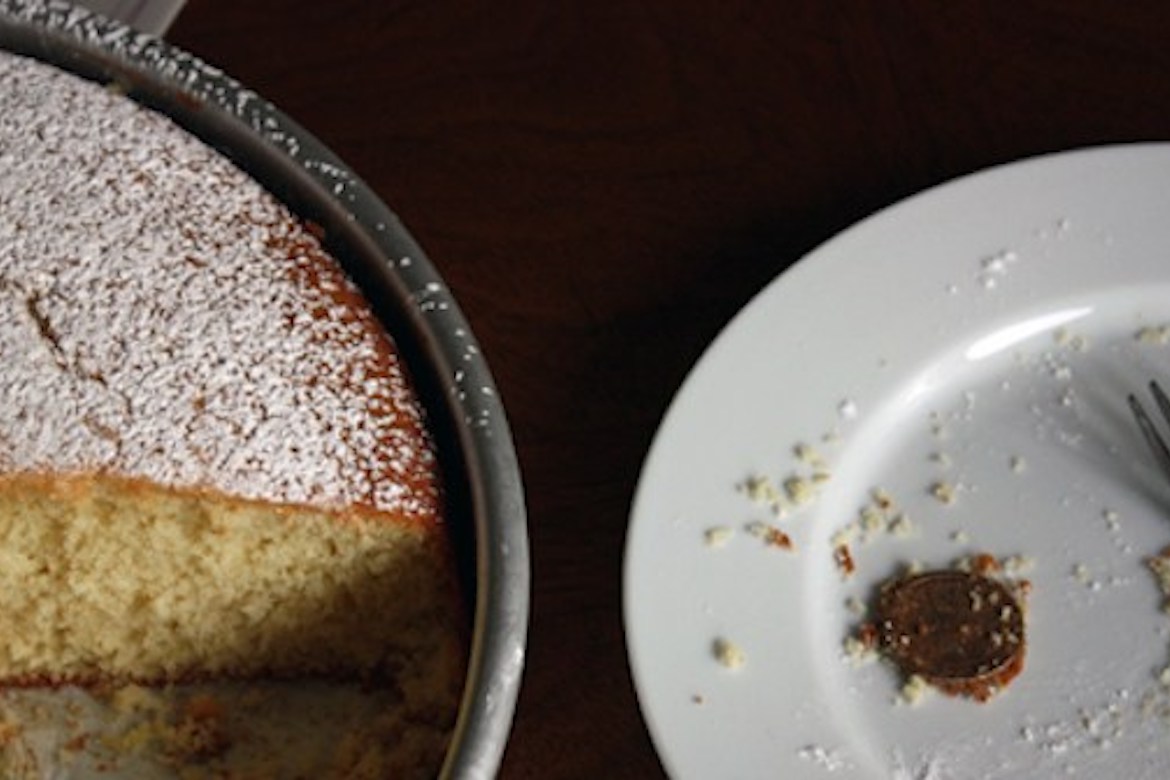
It’s called Vasilopita, or Basil’s Pie, named from Basil, the Greek bishop of Caesarea who lived in the 4th century, and the Greek word “pita” for pie. Basil eventually became St. Basil the Great, one of the most revered saints in both Eastern and Western Christianity.
The bread commemorates a Christian legend when Basil, who was bishop at the time, called on the citizens of Caesarea to raise a ransom payment to stop the siege of the city.
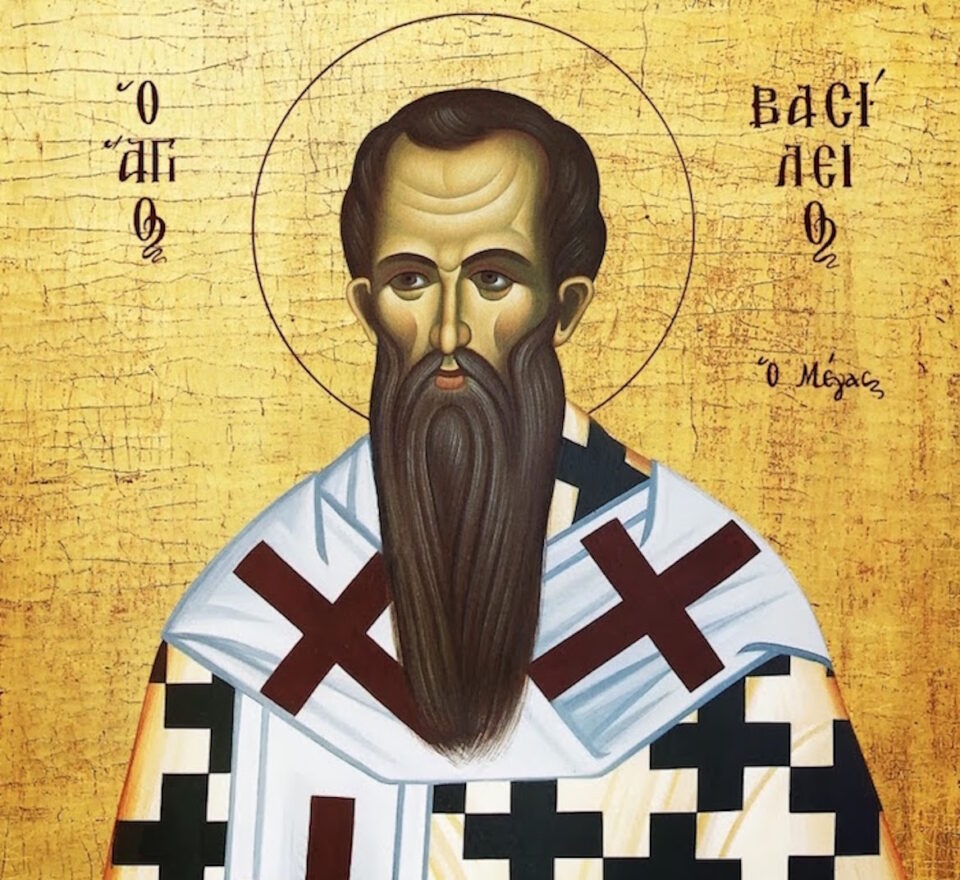
Each member of the city gave whatever they had in gold and jewelry. When the ransom was raised, the enemy was so embarrassed by the act of collective giving that he called off the siege without collecting payment.
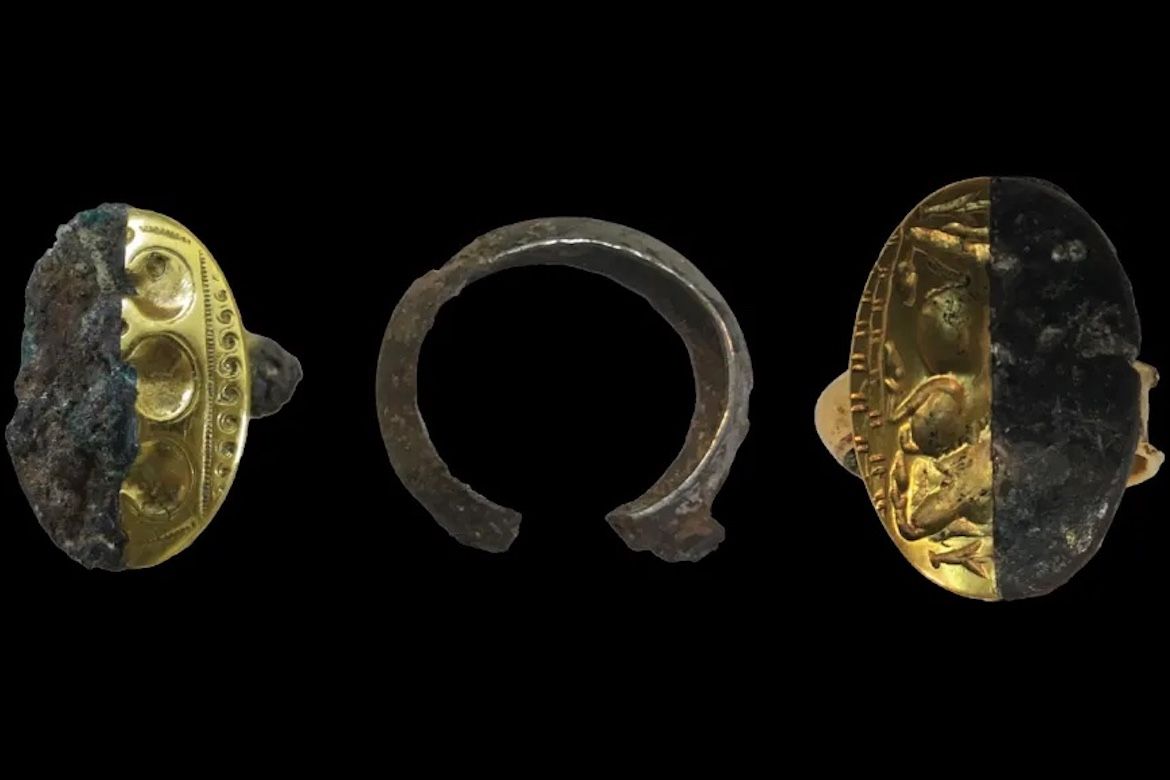
St. Basil was then tasked with returning the unpaid ransom, but had no way to know which items belonged to which family. So he baked all of the jewelry into loaves of bread and distributed the loaves to the city, and by a miracle each citizen received their exact share.
Another story from Christian tradition states that during a time of terrible famine, the emperor levied an excessive tax on the people of Caesarea. The tax was a heavy burden upon the already impoverished people that to avoid debtors’ prison each family had to relinquish its few remaining coins and pieces of jewelry, including precious family heirlooms.
Learning of this injustice upon his flock, Basil came to his people’s defense by fearlessly calling the emperor to repent against what he called a sinful tax. The emperor canceled the tax and instructed his tax collectors to turn over all of the chests containing the coins and jewelry which had been paid as taxes by the people of Caesarea.
Basil was now faced with the daunting task of returning these thousands of coins and pieces of jewelry to their rightful owners. Basil had all the treasures baked into one huge pita. He then called all the townspeople to prayer at the cathedral and he blessed and cut the pita, giving a piece to each person.
According to the story, each owner received in his piece of pita his own valuables.
Other stories tell of Basil’s philanthropy and paint a story of a generous bishop who baked gold into breads and handed it to poor families, so they wouldn’t be publicly embarrassed with charity.
One thing is for certain, Basil was a philanthropic man, credited with building an orphanage for children and the first Christian hospital.
Regardless the story, it is a wonderful tradition, celebrated by families, organizations, government offices and societies throughout the Greek world that brings people together to share in a tradition that’s been passed from one generation to the next, for centuries.
In Greek Orthodox homes, pieces of the cake or bread are cut in order of family order, with the elders taking the first pieces. Many cut symbolic pieces for Jesus Christ, or for the poor, before beginning to cut for family members.
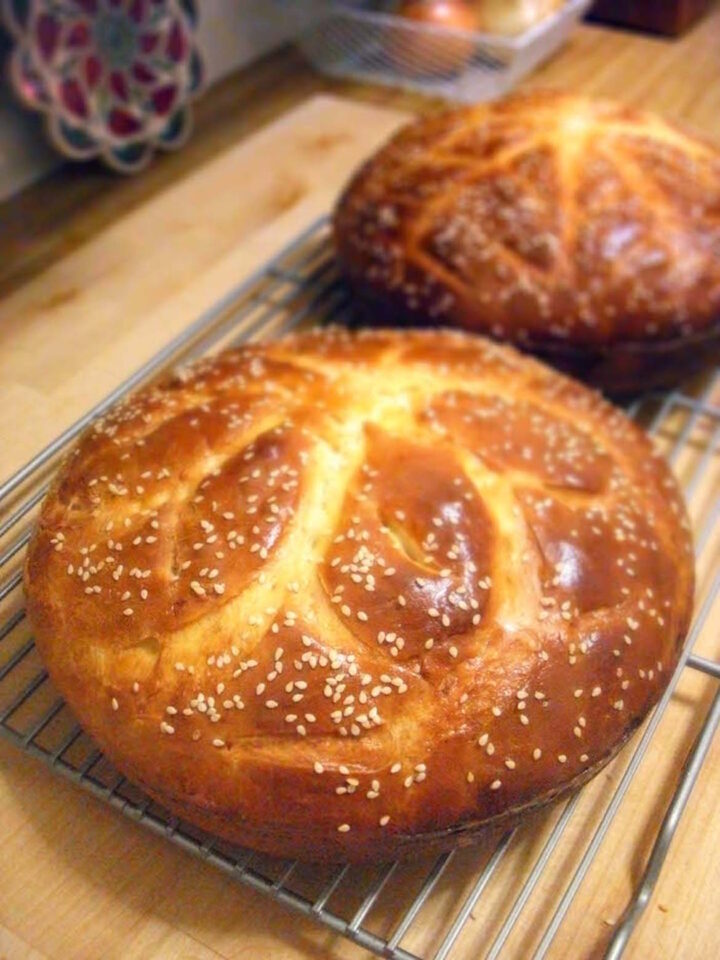
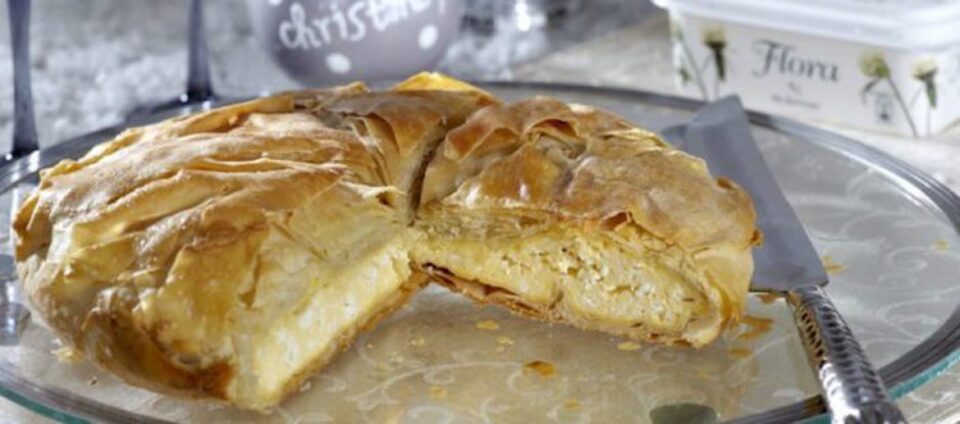
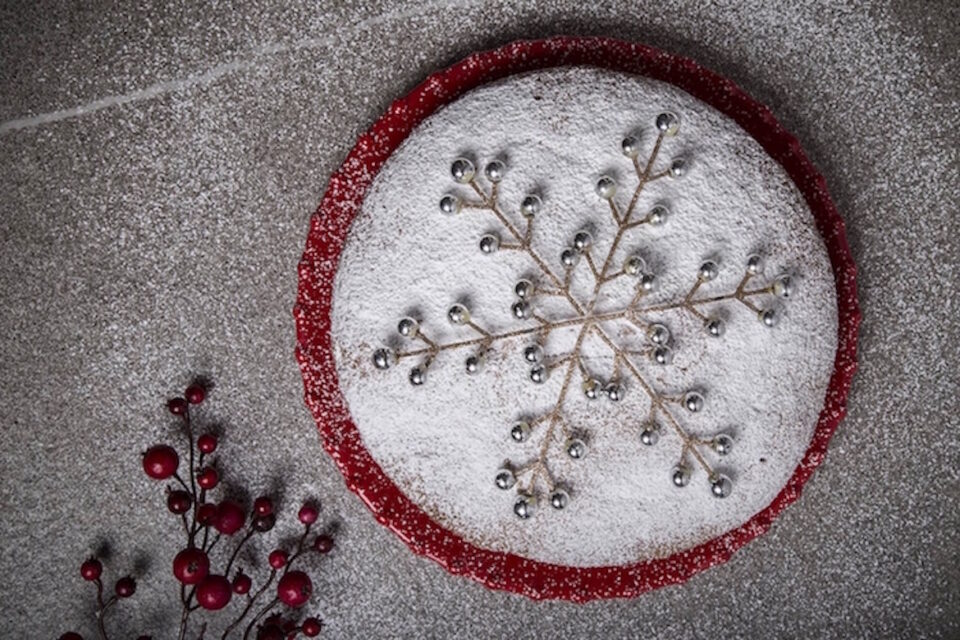
Recipes can vary and depending upon the region of Greece, Vasilopita can take the form of a cake or a leavened sweet bread, similar to the tsoureki that is eaten during Easter.
Featured image at the top of this article is from whippedtheblog.com