

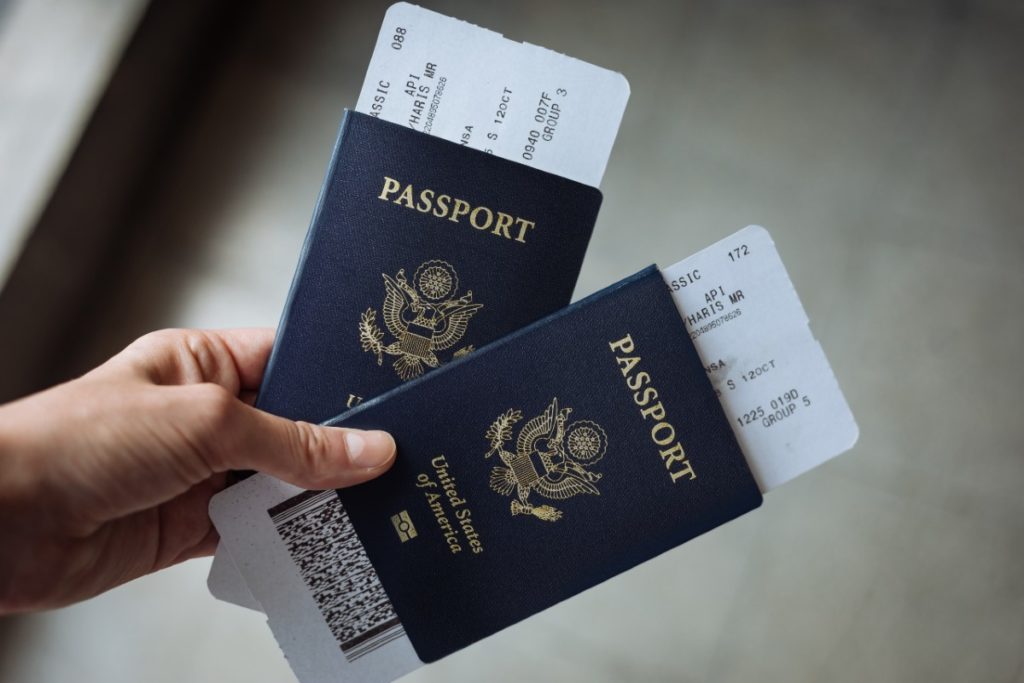
The European Union (EU) is introducing the European Travel Information and Authorization System (ETIAS), a new measure to enhance border security while facilitating travel within the Schengen Zone.
Starting in mid-2025, travelers from visa-exempt countries, including the United States, Canada, and Australia, must apply for ETIAS to visit Greece, other EU destinations, and non-EU countries like Switzerland and Norway.
What is ETIAS?
ETIAS is not a visa but an electronic authorization that pre-screens travelers before their arrival in a Schengen Zone country. Once approved, the authorization is digitally linked to the traveler’s passport and remains valid for up to three years or until the passport expires.
Schengen Zone vs. the EU – What’s the Difference?
The EU and the Schengen Zone are overlapping but distinct entities. The EU is a political and economic union of 27 member states collaborating on trade, legislation, and policy. The Schengen Zone, on the other hand, is a travel area comprising 27 countries (including non-EU states like Norway and Switzerland) that have abolished internal border controls.
While most EU countries belong to the Schengen Zone, some do not. Ireland remains outside the Schengen Zone, and while Cyprus has not yet joined, it is expected to do so in the near future. Romania and Bulgaria entered the Schengen Zone on March 31, 2024, partially, through air and sea but not by land borders. They are now anticipated to fully join the Schengen Zone as early as January 2025, pending final EU approval.
Who Needs ETIAS?
Travelers from more than 60 visa-exempt countries, including the U.S., Canada, and Australia, will need to apply for ETIAS to enter Schengen Zone countries for short stays of up to 90 days within a 180-day period.
Holders of Greek or Cypriot passports are exempt from ETIAS requirements. Similarly, travelers with valid residence permits or residence cards issued by any Schengen Zone country are not required to apply.
Application Process
The ETIAS application process will be straightforward and entirely online, similar to the U.S. ESTA and the Canadian eTA. Travellers will need to provide basic information, such as their passport details, and pay a fee of €7. Children under 18 and seniors over 70 are expected to be exempt from the fee but still need to apply for an ETIAS.
With ETIAS set to launch next year, travelers to Schengen Zone countries should familiarize themselves with the process now. For more details and updates, visit the EU’s official ETIAS FAQ page which will updated as new information becomes available.