
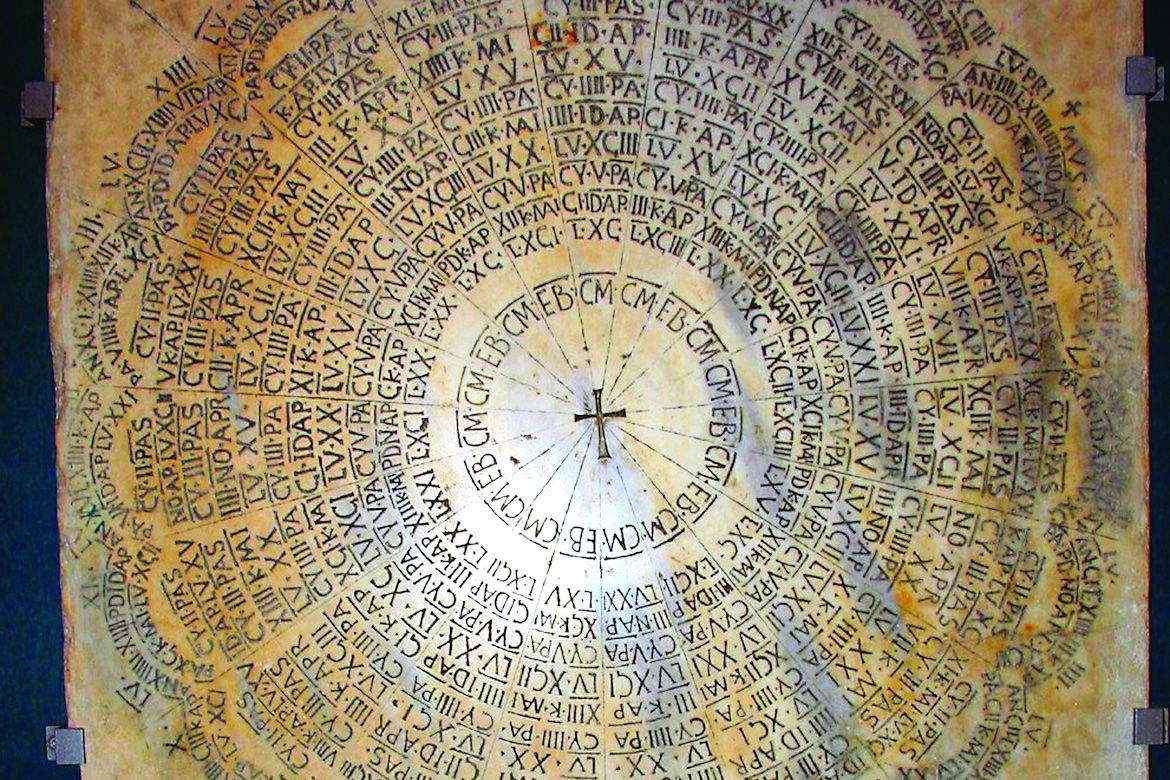
A group of Orthodox clergy and theologians in the United States is urging renewed, serious effort toward a common annual date for Pascha—one that would align Orthodox practice more faithfully with the original norms established by the First Ecumenical Council of Nicaea (325 A.D.), and also reduce the growing pastoral strain felt by Orthodox families in the West.
The statement argues that the Orthodox Church’s current method—rooted in the Julian calendar and its fixed assumptions about the spring equinox—has become increasingly inaccurate over time.
In plain terms: the calendar math is slowly sliding away from the astronomical reality that Nicaea used as its reference point (spring equinox and the first full moon following it). The result is that Pascha can fall later and later in the solar year, and the gap between Eastern and Western Easter dates can widen further.
The authors don’t frame this as a doctrinal crisis. They frame it as a pastoral one— especially in North America, where mixed marriages between Orthodox Christians and other Christians are common, and families often end up navigating two different Easters every year.
The statement bluntly notes that “fragmentation of the family is unacceptable,” and argues that celebrating the Resurrection together would be a tangible, lived step toward Christian unity— without pretending theological differences don’t exist.
So what are they proposing?
Rather than waiting for a unanimous, pan-Orthodox decision (which history suggests can be… slow), the statement makes the case for a more local, jurisdiction-by-jurisdiction approach— especially for Orthodox churches in the diaspora that experience this pain most acutely.
It points out that calendar questions have precedent for pastoral flexibility and that Orthodox unity has not historically collapsed simply because different calendars exist in practice.
Just as importantly, the authors call out the fog of misinformation surrounding this topic—misunderstandings about whether Pascha must follow Passover, confusion about equinox calculations, and the persistent idea that “being Orthodox” requires always being different from everyone else. They argue the Church needs better education and honest discussion, not whispers and panic.
The statement is signed by ten Orthodox clergy and theologians, led by Rev. Dr. John Chryssavgis (Hellenic College Holy Cross / Huffington Ecumenical Institute), alongside scholars and clergy associated with institutions including Fordham University, Duquesne University, St. Vladimir’s Seminary, and others.
If you want to read the full statement (and the full list of signatories), you can find it here.